
The Production Bottleneck Behind E-commerce Agencies: Testing Vizard Agent at Scale

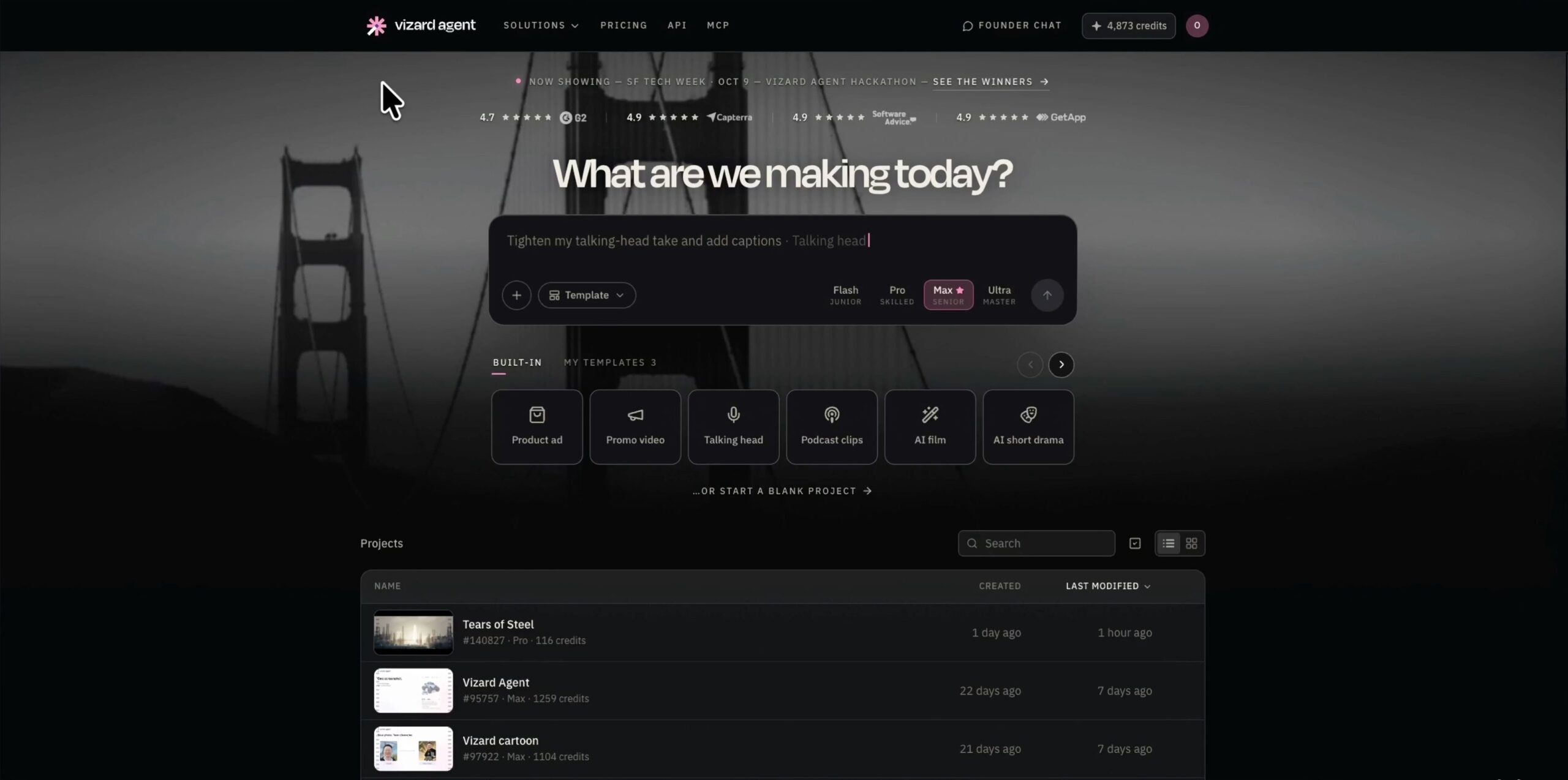
For an e-commerce agency, producing one advertising video is rarely the difficult part. The problem appears when one client has several products, several campaigns, and several platforms, while other clients are waiting for their own creative assets. Agencies may already have access to product photography, existing advertisements, campaign briefs, and large amounts of client-provided material. What becomes difficult is repeatedly turning those assets into enough new videos while keeping production time under control. As a SaaS editorial team who has 15+ years experience in the industry, we tested Vizard Agent from this perspective, focusing less on whether it could make one good video and more on whether the same product material could support a larger set of advertising creatives.
Testing Beyond a Single Video
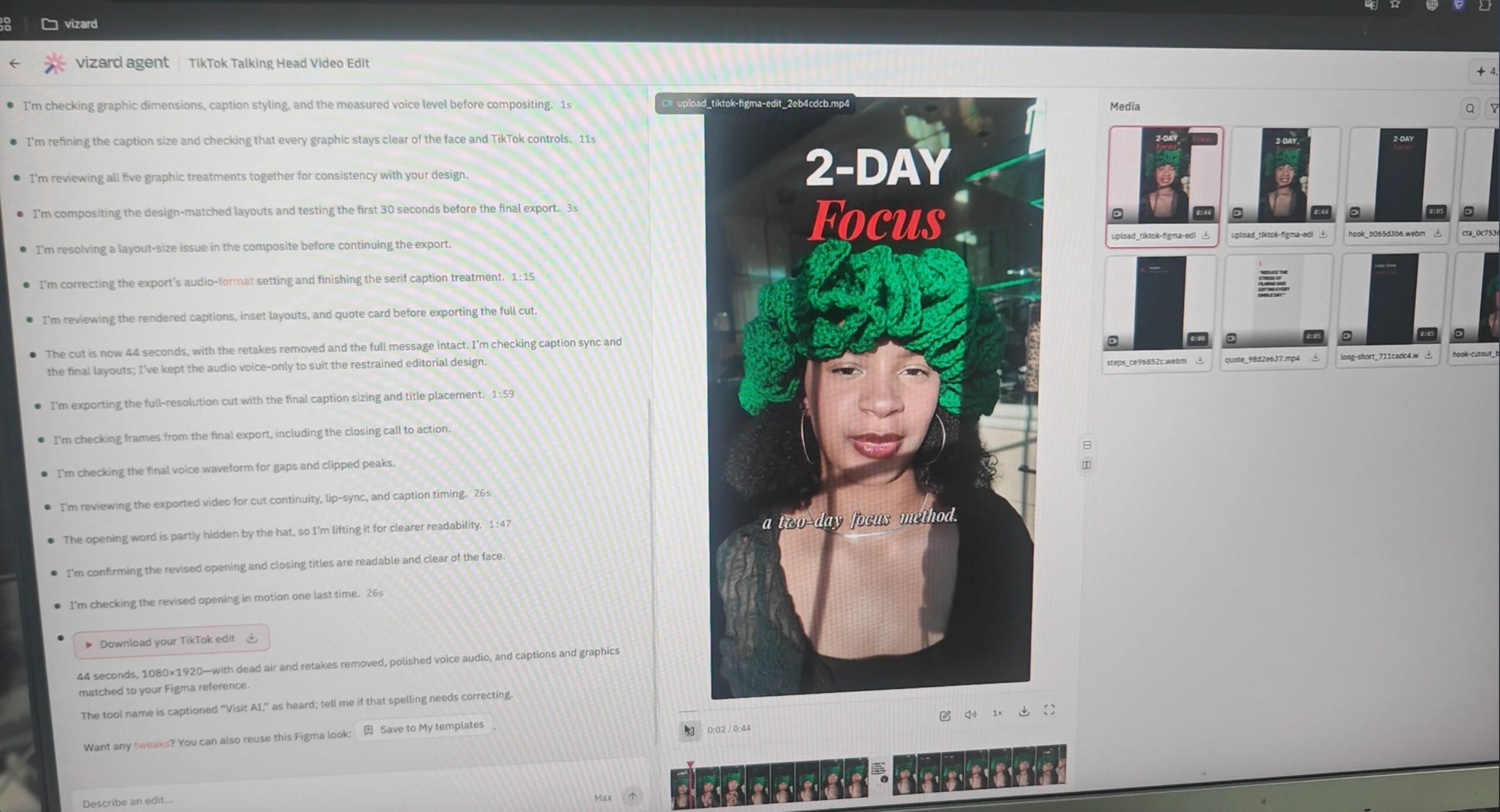
The first workflow started with product information and existing assets. Vizard Agent can work with links, files, footage, and combinations of user-provided materials and generated assets. It then handles the broader production process by interpreting the request, planning the video, selecting or creating assets, making creative decisions, assembling the result, and reviewing it.nThat workflow is particularly relevant to agencies because their production problem is repetitive. A creative team may already know how to make a product video. The question is how many times they can repeat the process across different products and clients without turning every campaign into a manual editing project.
We started with a conventional promotional treatment and then used the same underlying product information to explore different advertising directions. Vizard‘s documented e-commerce workflow covers product pages to video ads, product images to UGC-style ads, multiple advertising angles for one product, variations from a winning advertisement, and seasonal campaign variations. This was the part that felt most relevant to agency work. The output requirement is rarely one video. A client may want a product showcase for one campaign, a UGC-style creative for another audience, and several variations for performance testing. Rebuilding each of those manually creates a substantial amount of repetitive work. With Vizard Agent, the same source material can become the basis for different creative treatments without restarting the entire production workflow.
UGC Without Another Production Cycle
The UGC workflow was particularly useful in this context. For an agency managing multiple brands, creator-based production can introduce another layer of coordination. There may be briefing, shooting, asset collection, editing, and revision before a single creative is ready.
In our test, the UGC direction could instead be explored using existing product material. Vizard Agent’s documented workflow specifically supports turning product images into UGC-style ads. The value here is not that AI-generated UGC eliminates the need for genuine creator campaigns. It does not. The value is that an agency can create another creative direction from the materials it already has, which is useful when the immediate objective is to test a concept or increase creative volume.
Where the Agency Workflow Becomes More Interesting
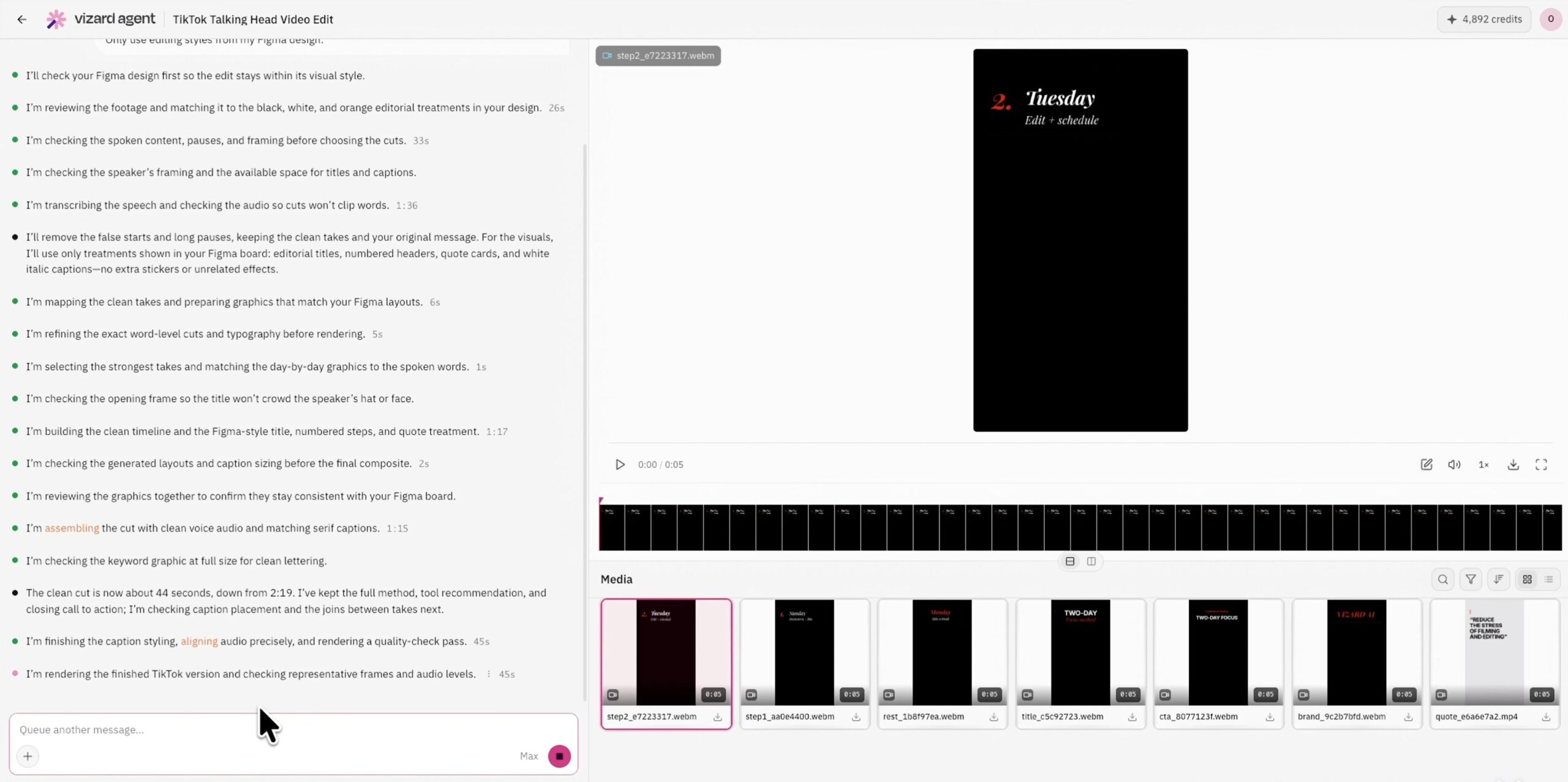
The more compelling use case is what happens after the first advertisement. Vizard Agent supports creating multiple advertising angles for one product and producing further variations from a winning advertisement. Seasonal variations are also part of the documented e-commerce workflow. For an agency, this maps closely to the way campaigns evolve. A team may identify a creative direction that performs well and then need several variations rather than another completely new concept. In that situation, reducing the amount of manual production required for each iteration could have a larger impact than simply making the first video faster. The same principle also applies when agencies manage several products for one client. Rather than treating every SKU as a completely separate video project, product information and existing assets can serve as inputs for a broader production workflow.
However, there is still a clear role for human review. Agencies need to protect brand consistency across clients, verify product claims, check campaign requirements, and make sure the final creative is appropriate for the intended platform. Automating production does not remove those responsibilities. The Agent should therefore be viewed as reducing repetitive production work rather than removing the creative team from the process.
Our Assessment
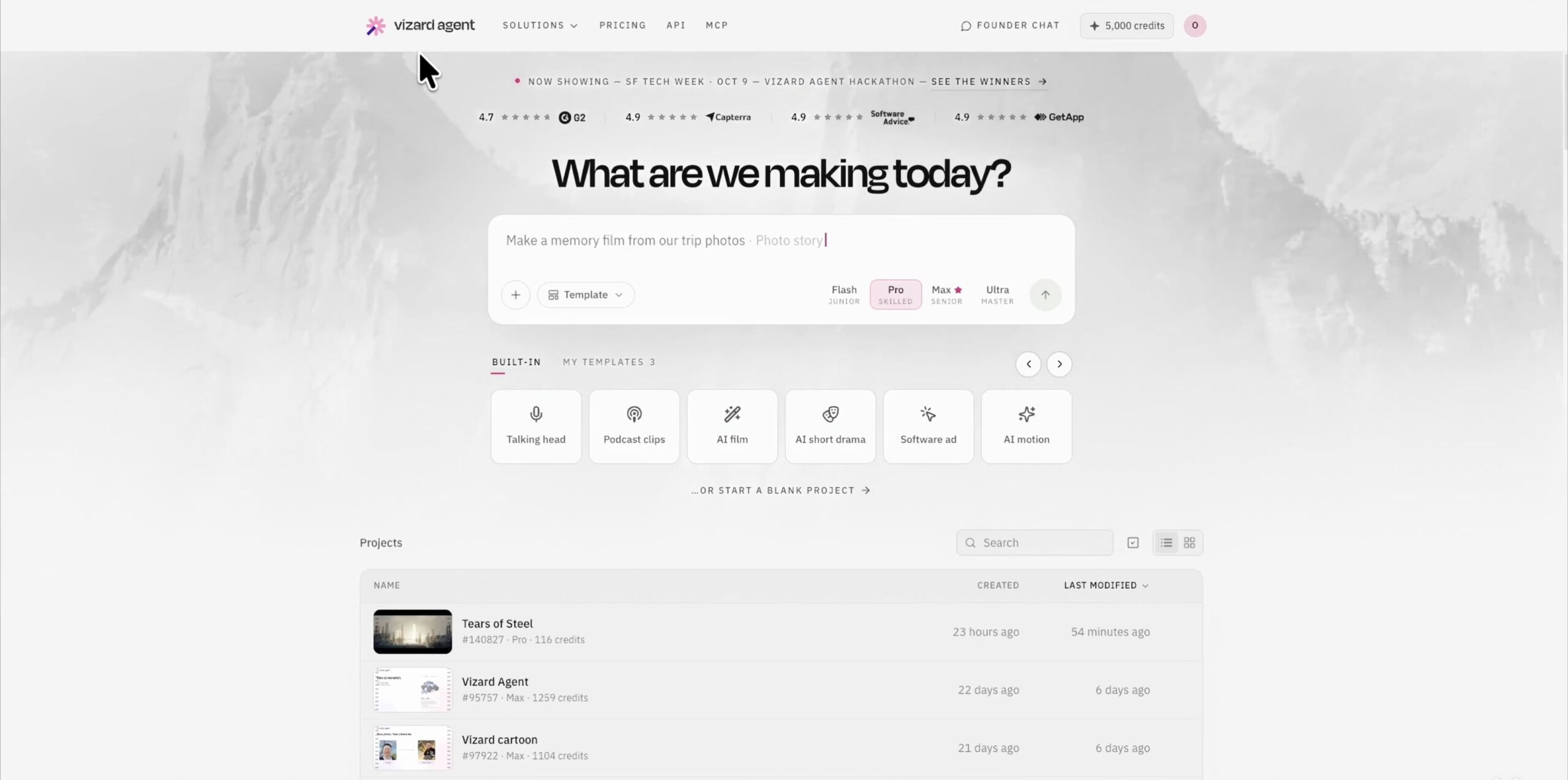
The strongest case for Vizard Agent is scale. The product becomes more useful as the number of required creatives increases. A single product can be developed into a promotional video, a UGC-style advertisement, different advertising angles, and further variations without treating every output as a completely new editing project. That makes the platform less interesting as a replacement for an agency’s creative expertise and more interesting as a way to increase the amount of creative work that a team can handle with the same resources. For agencies already sitting on large volumes of client materials, this distinction matters. The production bottleneck is often not finding content. It is turning what they already have into enough finished advertising creatives, quickly enough to keep up with the demands of performance marketing.






Comment