
The Future of Luxury Authentication: How Digital Traceability Is Building Consumer Trust

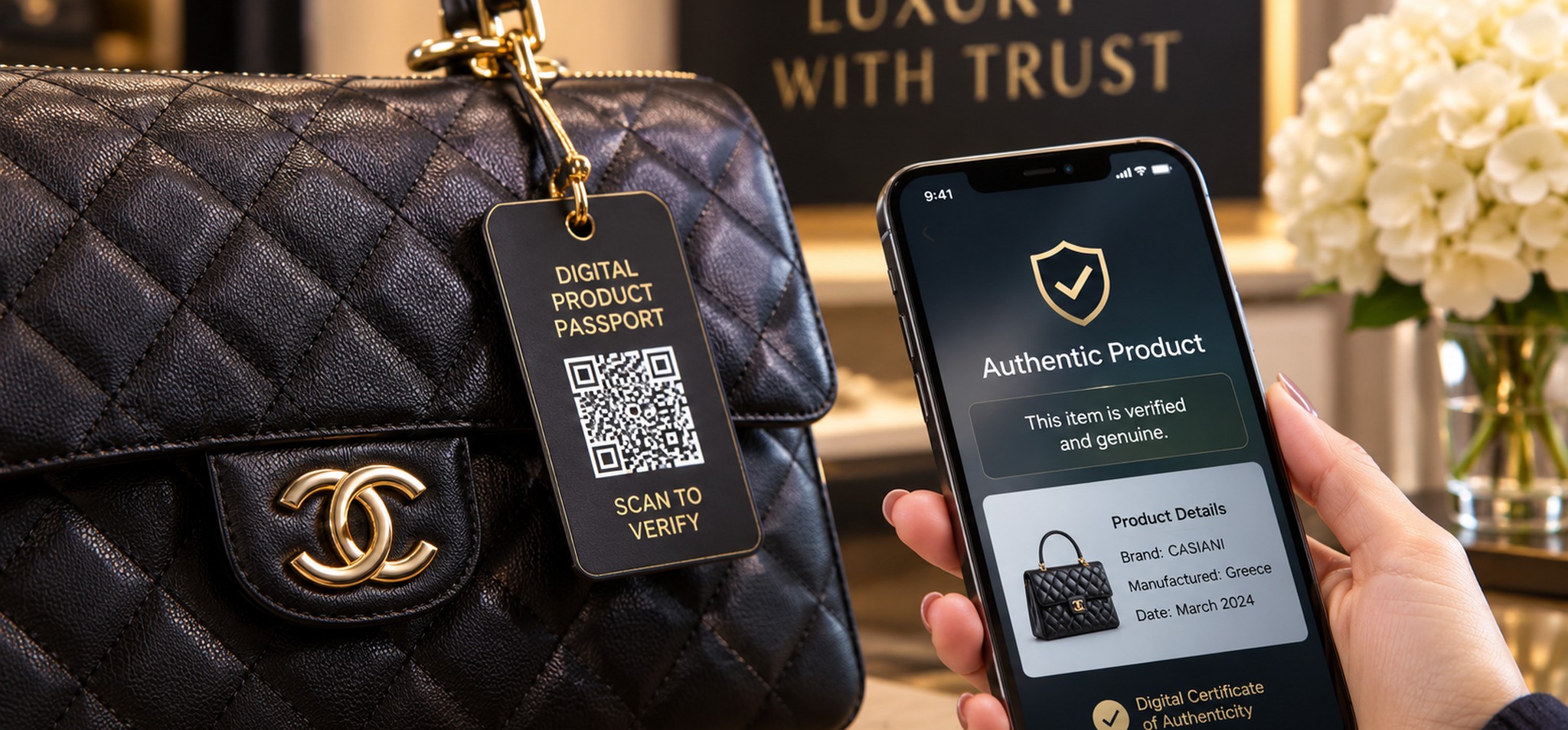
Digital traceability is fostering consumer trust, and this game-changing technology is the future of luxury authentication.Digital traceability is building consumer trust, and this game-changing technology is the future of luxury authentication.
If you purchased an expensive coat from a designer, and were told it was genuine, but later discovered that you could not substantiate the origin of that coat or if it was fake, what would you do? It appears the stitching is secure, the label doesn’t appear fake and the seller appears trustworthy. But is that enough?
These are questions that luxury shoppers can’t help but ponder. A recognisable logo used to bring confidence. In today’s market, consumers are looking for something more tangible – information they can check out for themselves.
There’s where digital traceability comes in.
A Luxury Label Doesn’t Show the Complete Picture
Counterfeiting has been around for a while. The difference is that counterfeit products are now more high-quality. Some can be very similar to genuine or even pictures that have been uploaded to the web.
The product listing might include a great product, craftsmanship and a convincing package. None of these details, however, is enough to prove authenticity.
Even with the lack of original receipts and documentation, second-hand luxury items can be hard to verify.
Another solution to this issue is luxury authentication technology. Digital verification systems enable brands to give customers information they can verify, rather than just take the word of the seller.
It’s a pretty easy concept: provide a distinctive identity to products that consumers can identify.
What Actually Does Digital Traceability Mean?
It may sound complicated, but the process is quite simple.
A manufacturer assigns a unique identifier to a product and connects it to information in a database. That information could be manufacturing information, where the material came from, certificate information or authenticity information.
Customers can use a serial number, QR code or other means to access these records.
But all systems are not the same.
The QR code may simply be linked to a product page. An enhanced system might link the item to manufacturing records and documented sourcing information.
The distinction matters. Not all claims about a product are necessarily separately substantiated.
Traditional Craftsmanship and Modern Verification Methods
Consider a beautiful high quality fur coat.
It depends on many factors that can’t be seen in Internet photos, like material choices, pattern-making, cutting, finishing and skill in putting the garment together.
When buyers don’t know these processes, they tend to not know what they are paying for.
That’s where transparency is helpful.
The Greek luxury outerwear label CASIANI is a good case in point, combining traditional craftsmanship with modern authentication methods.
The company creates handmade fur coats in the city of Kastoria in Greece, a place with a long tradition in the production of furs. CASIANI has an online system to verify the authenticity of its garments with a unique serial number.
The brand states that it has started to add traceability codes to select garments, assisting to connect some of the elements in the sourcing of the materials with the finished garment.
They are not a substitute for knowledge, skills and experience in making a luxury garment. Rather, they give their customers extra information regarding the items they are buying.
Is Blockchain Becoming a More Trusted Solution for Luxury Products?
When considering the future of luxury authentication, blockchain is often talked about.
It is a natural appeal. A blockchain-based system may help make product histories more auditable, since records would be hard to change without being noticed.
Suppose you purchase an already owned designer handbag that has a documented history of its manufacturing date, and the last owner.
This may come in handy in case the original buyer or retailer is no longer in business.
The only problem, however, is that there’s a catch.
Blockchain can’t ensure that the information added to a system is accurate to begin with. If someone enters wrong information for sourcing, it will not be corrected automatically by the technology.
For some brands a properly managed database of sorts and a secure serial-number verification system may be more feasible.
The question isn’t whether or not a company is using blockchain. It’s about the reliability of its authentication process.
Transparency Is Important Beyond Counterfeiting
Authenticity is only one aspect of the discussion.
Luxury customers also might want to learn where materials are being sourced from, how products are being made, and what will occur if something goes wrong with items.
These questions are especially crucial when making a costly buy that will be useful for years.
A brand which reveals its production process provides more to assess for a consumer than a marketing catch phrase.
It is important to note however, that traceability is not necessarily synonymous with broader sustainability or ethical sourcing statements. Geographic information does not imply that each step of the manufacturing process was conducted to a specific level.
Documentation and, if necessary, independent verification is a necessary component of credible transparency.
The Next Generation of Luxury Authentication
Emotion is always going to be a part of luxury shopping. People buy beautiful products because they like design, craftsmanship and experience of having something special.
That’s not about to change with digital verification.
What it can do is remove the uncertainty of a big purchase.
Luxury customers might have an easier time in the future to verify their products, understand where they’re coming from, and make informed buying decisions as brands roll out more effective authentication systems.
It is not a rule that brand’s that implement the latest technology first will be the ones to benefit. It will be their responsibility to answer questions that are important to their customers.
After all, if a person is buying something that is of great importance to them, trust shouldn’t be solely based on what a seller says.






Comment