
How to Train a Dog for City Life: Essential Skills for Urban Dogs

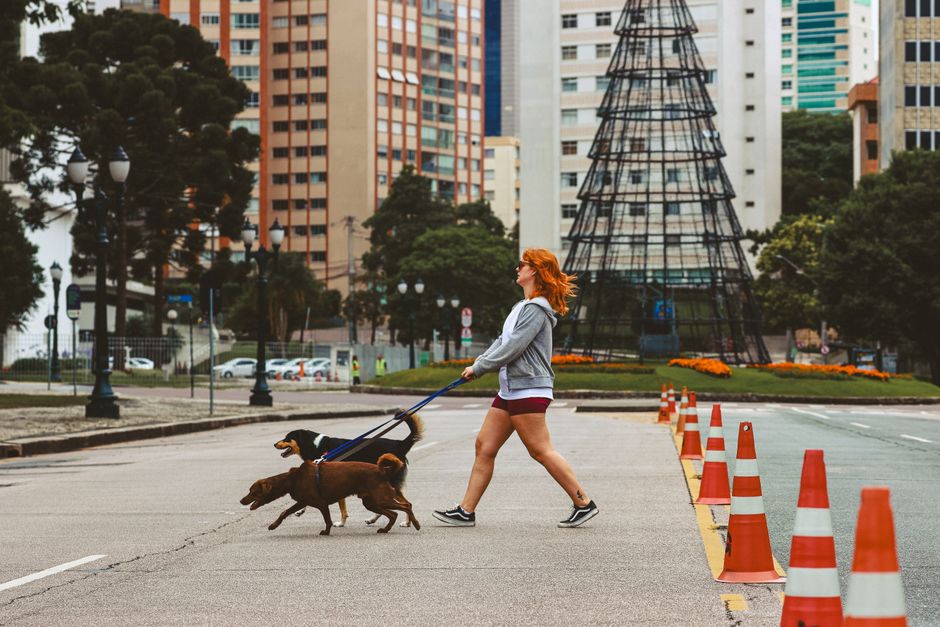
Sharing an apartment or townhouse with a canine companion brings a special charm to urban living. Morning walks along historic brick walkways, afternoon visits to pet-friendly cafes, and weekend strolls through neighborhood parks make city life immensely rewarding for dog lovers. However, metropolitan settings present an intense environment that can quickly overwhelm an unprepared animal. Sidewalks are constantly shared with delivery carts, rushing commuters, skateboards, and other pets, while the air carries a continuous hum of sirens, construction machinery, and rumbling buses.
Urban environments create unique developmental hurdles because dogs cannot simply retreat into a quiet backyard when stress levels rise. Every bathroom break requires stepping directly into public territory where personal space is at a premium and unexpected triggers appear around every corner. Developing calm behavior amid this sensory overload requires intentional practice and exposure. Many owners find that enrolling in structured city dog training programs provides the guided real-world exposure necessary to teach dogs how to handle bustling streets with poise and confidence. A suitable programme should reflect the individual dog’s comfort level and progress, rather than expect every dog to enjoy the same environments.
Establishing Reliable Focus and Engagement
The cornerstone of urban dog training is the ability to capture your dog’s attention regardless of what is happening around them. In a quiet living room, most dogs readily respond to their name. On a crowded street corner where someone has just dropped a slice of pizza, that same cue can go completely unheeded.
Teaching a reliable check-in behavior is the first step toward urban success. Practice marking and rewarding spontaneous eye contact during quiet moments indoors before taking the exercise outside. When your dog voluntarily looks away from an environmental distraction to glance up at you, reward them with high-value treats. Over time, your dog learns that checking in with you yields far greater value than fixating on passing pedestrians or loud traffic. This habit creates a communicative connection that keeps walks safe and predictable.
Mastering Loose-Leash Walking on Busy Sidewalks
Loose-leash walking is convenient in the suburbs, but in the city, it is a non-negotiable safety skill. Tight walkways leave little room for error when passing oncoming strollers, bicycles, or reactive dogs. Pulling on the leash often increases a dog’s stress levels and makes physical control difficult on slick pavement.
Teach your dog to walk comfortably beside you on a standard six-foot leash rather than a retractable lead, which can easily cause entanglement or sudden bolting into traffic. Maintain a consistent position and reward your dog generously whenever the leash remains slack. If your dog pulls forward, stop moving immediately and wait for them to ease tension on the collar or harness before stepping forward again. A practised leave-it cue can also be useful around discarded food and other hazards, alongside close supervision and appropriate distance.
Navigating Shared Spaces and Tight Thresholds
City dogs frequently navigate enclosed spaces like apartment hallways, elevators, and narrow building vestibules. These confined environments can create sudden, close-proximity encounters that trigger defensiveness or overexcitement.
Threshold manners prevent sudden surprises. Train your dog to pause and sit before doorways open, waiting for your release word before crossing into a hallway or street. When using elevators, position your dog on the side opposite the door so they do not startle passengers when the doors slide open. If another dog is approaching and there is not enough space for a comfortable encounter, wait for a quieter lift or step away when it is safe to do so. By treating tight thresholds as calm working zones, you eliminate chaotic greetings and establish peaceful building living.
Cultivating Neutrality Over Forced Socialization
A common misconception among pet parents is that a well-behaved city dog must eagerly greet every person and dog they encounter. In reality, demanding that your dog interact with every passerby often produces hyper-arousal, frustration, or fear. The true mark of a well-adjusted urban dog is neutrality.
Teach your dog that other animals and people are simply background elements of the city. Spend time sitting quietly on a park bench at a comfortable distance from heavy foot traffic, rewarding your dog simply for remaining relaxed while the world moves by. If your dog exhibits signs of stress, such as lip licking, yawning, or stiffening, increase your distance from the activity until they can relax again.
Building Confidence Through Consistency
Raising a polite and content urban dog is a gradual journey that relies on clear communication, patience, and positive reinforcement. By breaking complex city challenges into manageable training steps, you give your dog the tools to navigate concrete jungles safely. Consistent, manageable practice can help dogs build confidence, while additional professional support may be useful when fear or reactivity makes everyday outings difficult.






Comment