
Do You Need a Testosterone Test? Signs to Watch For

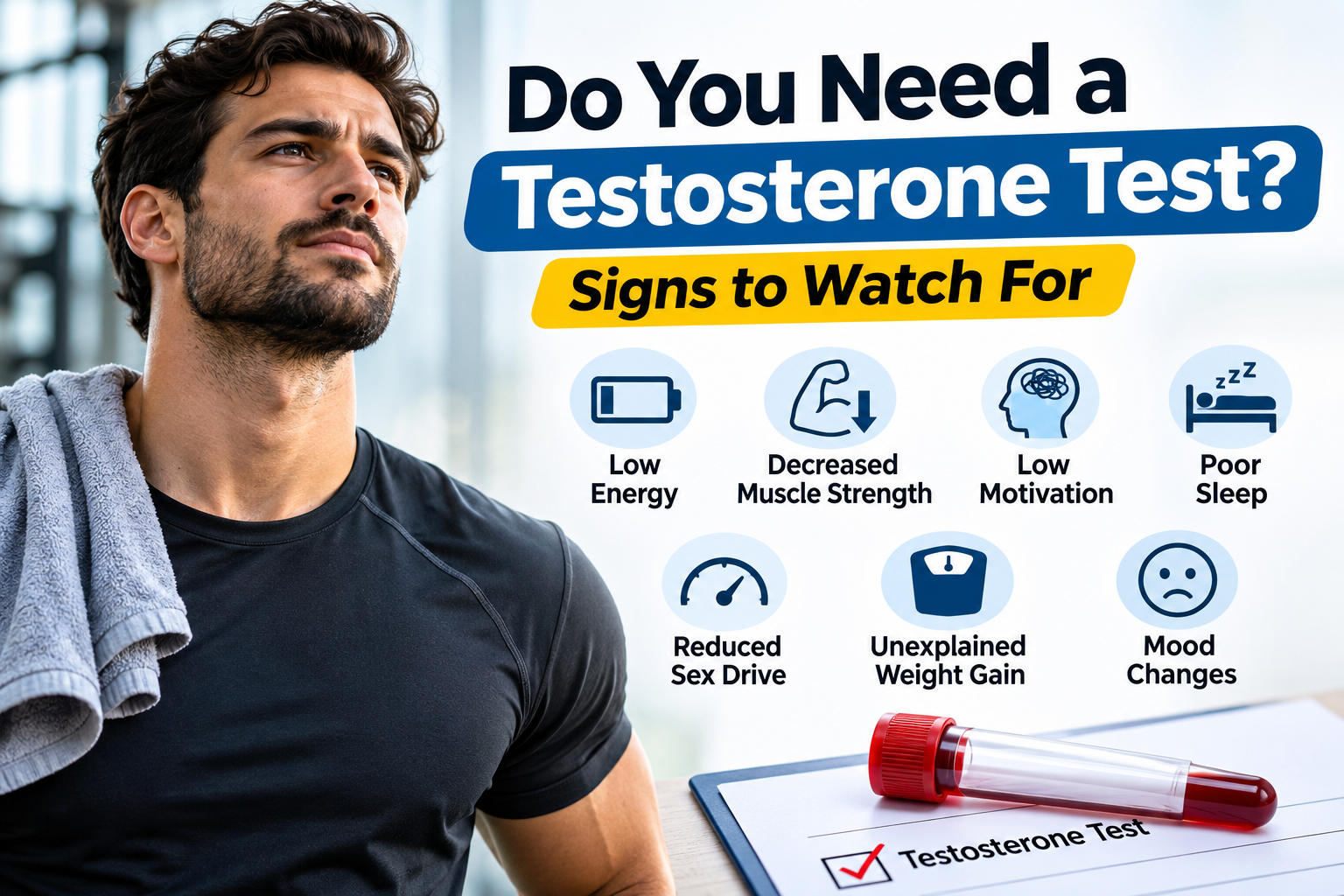
Testosterone plays a far bigger role in the body than most people realize. While it’s often associated primarily with male sexual development, this hormone influences energy levels, mood, muscle mass, bone density, and overall quality of life. When testosterone levels drop below a healthy range, the effects can creep in slowly, making it easy to dismiss symptoms as normal aging, stress, or lack of sleep. Understanding the signs you need a testosterone test can help you catch a potential hormonal imbalance early and take steps toward feeling like yourself again.
What Is Testosterone and Why Does It Matter?
Testosterone is a hormone produced primarily in the testicles in men, though women also produce smaller amounts in their ovaries and adrenal glands. It is classified as an androgen, meaning it contributes to the development of male characteristics, but its influence extends well beyond reproductive health.
In men, testosterone supports sperm production, muscle growth, bone density, red blood cell production, and the distribution of body fat. It also plays a significant role in mood regulation and cognitive function. Testosterone levels naturally peak during adolescence and early adulthood, then begin a gradual decline, typically around one percent per year after age 30. For some men, this decline happens faster or more dramatically, leading to a condition often referred to as low testosterone or “low T.”
Women also rely on testosterone, albeit in much smaller quantities, for libido, energy, and muscle maintenance. When levels fall outside the expected range for either sex, a cascade of physical and emotional symptoms can follow.
Common Signs You Need a Testosterone Test
Recognizing the signs you need a testosterone test is the first step toward addressing a potential imbalance. Symptoms vary from person to person, and some overlap with other health conditions, which is why testing is so valuable for getting a clear answer rather than guessing.
Persistent Fatigue and Low Energy
One of the most frequently reported symptoms of low testosterone is a constant feeling of tiredness that doesn’t improve with rest. If you’re sleeping a full eight hours and still waking up exhausted, or if you find yourself needing naps throughout the day just to function, this could be more than simple burnout. Testosterone helps regulate energy metabolism, so when levels drop, the body’s ability to produce and use energy efficiently suffers.
Decreased Muscle Mass and Strength
Testosterone is essential for building and maintaining muscle tissue. If you’ve noticed that your strength is declining despite regular exercise, or that muscle you once had seems to be shrinking without an obvious cause, this is worth paying attention to. Many people assume this is just a natural part of aging, but a significant or sudden drop in muscle mass can point to a hormonal issue rather than simply growing older.
Increased Body Fat
Low testosterone often coincides with an increase in body fat, particularly around the abdomen. This happens because testosterone plays a role in regulating how the body stores and burns fat. Some men also notice an increase in breast tissue, a condition known as gynecomastia, which can occur when testosterone levels drop relative to estrogen.
Reduced Libido and Sexual Function
A noticeable decline in sex drive is one of the hallmark signs you need a testosterone test. Testosterone is directly tied to libido in both men and women, and when levels fall, interest in sexual activity often follows. In men, low testosterone can also contribute to erectile dysfunction, though this symptom has multiple potential causes and shouldn’t automatically be attributed to hormones alone.
Mood Changes and Irritability
Hormones and mood are closely linked, and testosterone is no exception. Low levels have been associated with increased irritability, anxiety, and even symptoms of depression. If you find yourself feeling unusually short-tempered, unmotivated, or emotionally flat without a clear external cause, it may be worth discussing your hormone levels with a healthcare provider.
Difficulty Concentrating or Brain Fog
Many people with low testosterone report trouble focusing, memory lapses, or a general sense of mental cloudiness. This cognitive fog can affect work performance and daily decision-making, and it’s often mistaken for stress or simply not getting enough sleep.
Loss of Bone Density
Testosterone contributes to bone mineral density, and chronically low levels can increase the risk of osteoporosis and fractures over time. This is a less visible symptom, but it’s one of the more serious long-term consequences of untreated low testosterone, which is why catching it early through testing matters.
Sleep Disturbances
There’s a bidirectional relationship between testosterone and sleep. Poor sleep can lower testosterone production, and low testosterone can, in turn, disrupt sleep quality, sometimes contributing to conditions like insomnia or sleep apnea. If you’ve noticed new or worsening sleep problems alongside other symptoms on this list, it’s another clue pointing toward a possible hormonal cause.
Hair Loss
While male pattern baldness is largely genetic, testosterone imbalances can sometimes contribute to changes in body and facial hair growth. A noticeable reduction in hair density, separate from typical genetic hair loss patterns, may be worth mentioning to a doctor.
Reduced Testicular Size
In men, low testosterone can sometimes be accompanied by a noticeable decrease in testicle size. This is a more specific physical sign and, combined with other symptoms, can be a useful indicator for a healthcare provider to consider.
Who Is Most at Risk for Low Testosterone?
While testosterone naturally declines with age, certain factors can accelerate this process or increase the likelihood of clinically low levels. Men over 40 are generally at higher risk simply due to the natural aging process, but age isn’t the only factor at play.
Obesity is strongly linked to lower testosterone levels, as excess body fat can increase the conversion of testosterone into estrogen. Chronic conditions such as type 2 diabetes, metabolic syndrome, and sleep apnea are also associated with reduced testosterone production. Certain medications, including opioids and some steroids, can suppress natural hormone production as well.
Testicular injuries, infections, or conditions affecting the pituitary gland (which signals the testicles to produce testosterone) can also lead to lower levels. Additionally, chronic stress, poor sleep habits, and excessive alcohol consumption have all been shown to negatively impact testosterone production over time.
How Is a Testosterone Test Performed?
If you’re experiencing several of the signs you need a testosterone test, a healthcare provider can order a simple blood test to measure your levels. This is typically done in the morning, since testosterone levels naturally peak earlier in the day and decline as hours pass. Testing in the morning provides the most accurate reflection of your baseline levels.
There are two main types of testosterone measured: total testosterone and free testosterone. Total testosterone measures all the testosterone in your blood, including what’s bound to proteins. Free testosterone measures the portion that’s unbound and available for your body to use. Depending on your symptoms and initial results, your doctor may order one or both tests, sometimes alongside additional hormone panels to get a fuller picture of your endocrine health.
Because testosterone levels can fluctuate due to illness, stress, or even the time of day, doctors often recommend confirming a low result with a second test on a different day before making a diagnosis.
What Do the Results Mean?
Normal testosterone ranges can vary slightly depending on the lab and the specific test used, but general reference ranges for adult men typically fall between 300 and 1,000 nanograms per deciliter (ng/dL). Levels below this range may indicate hypogonadism, a condition in which the body doesn’t produce enough testosterone.
For women, healthy testosterone levels are significantly lower, generally falling between 15 and 70 ng/dL, and abnormal results are interpreted differently based on symptoms and overall hormonal context.
It’s important to remember that a single low reading doesn’t automatically mean you need treatment. Your doctor will consider your symptoms, overall health, and sometimes additional bloodwork before recommending a course of action, which might include lifestyle changes, further testing, or hormone therapy.
When Should You See a Doctor?
If you’re noticing a combination of several symptoms discussed here, particularly persistent fatigue, reduced libido, mood changes, and unexplained changes in body composition, it’s a good idea to schedule an appointment with your healthcare provider. While occasional tiredness or a bad week emotionally is normal, a consistent pattern of multiple symptoms over weeks or months is a stronger signal that something hormonal may be at play.
It’s also worth mentioning that many symptoms of low testosterone overlap with other conditions, including thyroid disorders, depression, and anemia. A thorough evaluation, including bloodwork beyond just testosterone, can help rule out other potential causes and ensure you get an accurate diagnosis.
Lifestyle Factors That Influence Testosterone Levels
Before jumping to testing or treatment, it’s worth considering lifestyle factors that may be contributing to lower testosterone levels. Regular exercise, particularly strength training, has been shown to support healthy testosterone production. Maintaining a healthy body weight, eating a balanced diet rich in healthy fats, protein, and micronutrients like zinc and vitamin D, and prioritizing quality sleep can all play a role in supporting hormonal balance.
Reducing chronic stress is another important factor, since elevated cortisol, the body’s primary stress hormone, can interfere with testosterone production over time. Limiting alcohol consumption and avoiding recreational drug use can also help protect healthy hormone levels.
While lifestyle changes alone may not resolve clinically low testosterone, they can make a meaningful difference for borderline cases and support overall treatment outcomes for those who do require medical intervention.
Frequently Asked Questions
At what age should men start worrying about low testosterone?
There’s no single age at which testing becomes necessary. While testosterone levels naturally begin declining around age 30, symptoms can appear at different ages depending on individual health factors. If you’re experiencing symptoms at any age, it’s reasonable to ask your doctor about testing rather than waiting for a specific birthday.
Can women have low testosterone too?
Yes. Women produce smaller amounts of testosterone, but low levels can still cause symptoms such as reduced libido, fatigue, and difficulty maintaining muscle mass.
Is low testosterone the same as andropause?
Andropause is a term sometimes used to describe the gradual decline in testosterone associated with male aging, similar to how menopause describes hormonal changes in women. However, andropause is less abrupt and more variable than menopause, and not everyone experiences significant symptoms as they age.
How quickly can testosterone levels change?
Testosterone levels can fluctuate daily and even throughout the day, which is why morning testing is recommended for accuracy. Longer-term changes due to lifestyle, illness, or aging typically happen gradually over months or years.
What happens if low testosterone goes untreated?
Common consequences include:
- Continued fatigue and low energy
- Loss of muscle mass and bone density over time
- Increased risk of depression or mood disorders
- Ongoing sexual dysfunction
- Potential metabolic complications, including weight gain
Can testosterone levels return to normal without medication?
In some cases, particularly when low levels are linked to obesity, poor sleep, or lifestyle factors, improvements in diet, exercise, and sleep habits can help raise testosterone naturally. However, some causes require medical treatment, so it’s important to get a proper diagnosis first.
Is testosterone replacement therapy right for everyone with low levels?
No. Treatment decisions depend on the severity of symptoms, the underlying cause, and individual health history. A healthcare provider can help determine whether testosterone replacement therapy, lifestyle changes, or another approach is the most appropriate path forward.
Taking the Next Step
Recognizing the signs you need a testosterone test is an important part of taking charge of your overall health. Fatigue, mood changes, reduced muscle mass, and low libido are not simply inevitable parts of aging that you have to accept without question. A simple blood test can provide clarity, and from there, you and your healthcare provider can determine the best path forward, whether that involves lifestyle adjustments, further testing, or treatment options tailored to your specific needs. If several of these symptoms sound familiar, don’t hesitate to bring them up at your next doctor’s appointment. Getting answers is the first step toward feeling more like yourself again.







Comment