
How Print-to-Order Production Supports Independent Clothing Brands

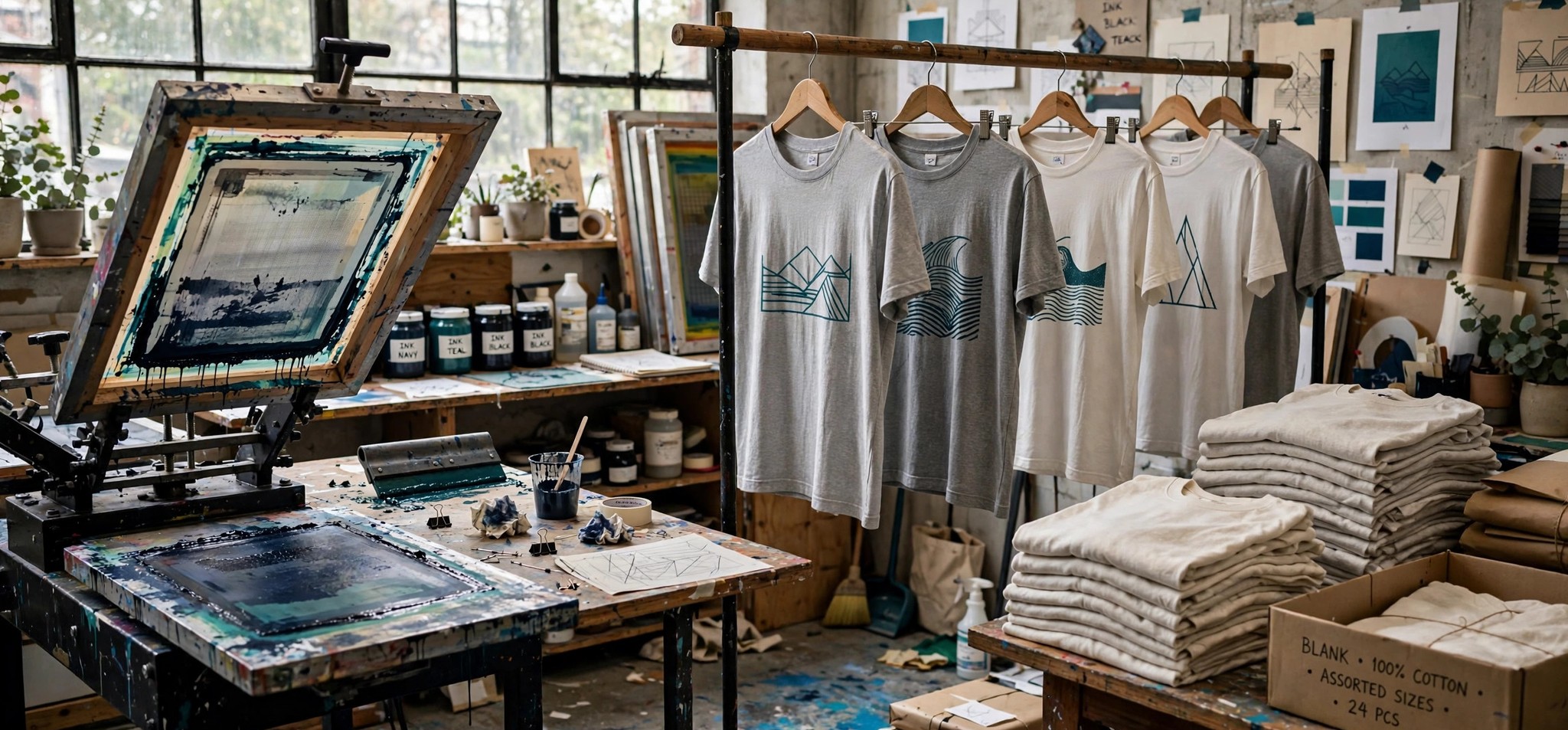
The fashion industry has traditionally relied on large production runs, substantial inventory investments, and established distribution networks. For independent clothing brands, entering this competitive market often meant taking significant financial risks before knowing whether customers would respond to a particular design. Print-to-order production is changing that equation by giving smaller businesses a more flexible way to develop, market, and sell apparel.
Also known as print-on-demand, print-to-order means adding a design to a blank garment after a customer places an order. Instead of investing in hundreds of finished units in advance, independent brands can offer a range of designs without maintaining extensive finished-product inventory. This approach is particularly valuable for emerging designers, online clothing businesses, and creators looking to turn their ideas into commercial products.
Reducing the Financial Barriers to Entry
One of the biggest challenges facing independent clothing brands is the initial cost of production. Traditional manufacturing frequently requires minimum order quantities, which can force smaller businesses to invest considerable capital in products that may not sell.
Print-to-order production reduces this pressure. Brands can stock blank garments and use the same stock across multiple designs. This reduces the upfront cost of ordering finished stock for each design.
This lower-risk structure makes it easier for entrepreneurs to experiment with different product categories and gradually build a customer base.
Testing Designs Without Holding Excess Inventory
Understanding customer preferences is essential for building a sustainable clothing business. However, predicting which designs will become popular is difficult, especially for brands that are still developing their identity.
Print-to-order production provides an opportunity to test multiple concepts without committing to large inventories. A brand can release several designs, monitor customer engagement, and identify which products generate actual purchases.
One example is Sydney clothing label Lonely Kids Club, which has printed its graphic tees to order in its own Artarmon studio since 2011. The business keeps blank garments available and prints original artwork by independent illustrators after customers order, rather than committing to large quantities of finished shirts for every design.
The information gathered from these sales can influence future collections, helping businesses make more informed decisions about product development.
Simplifying Operations for Small Businesses
Running a clothing brand involves much more than designing apparel. Entrepreneurs must also manage product listings, payments, packaging, order fulfillment, shipping, and customer support.
Brands can print and fulfil orders in-house or use a production partner. Lonely Kids Club buys and stocks its own blanks and prints customer orders in its Artarmon studio.
For brands that outsource, orders placed through an online store can be forwarded automatically to a production partner. Once an item is printed, it can be packaged and shipped directly to the customer.
Outsourcing reduces the need for dedicated storage facilities and extensive in-house fulfillment operations. It also gives founders more time to focus on creative development, marketing partnerships, and customer relationships.
Making Small Collections and Niche Markets More Viable
Large fashion companies often prioritize products that appeal to broad consumer groups. Independent brands, however, frequently find opportunities in smaller communities and specialized markets.
These audiences might be interested in particular music genres, gaming culture, streetwear, local identities, art movements, or internet communities. While the potential customer base for an individual design may be relatively small, it can still support a focused clothing business.
Print-to-order production makes these niche collections more commercially practical. Brands can offer designs to niche audiences without printing large batches of finished garments upfront.
They can build collections around clearly defined interests and expand their catalogs as demand develops. This approach also makes limited releases and seasonal designs easier to manage.
Reducing Inventory Waste
Unsold inventory is a persistent challenge in the fashion business. Products that fail to sell may require discounts, additional storage, or eventual disposal. For smaller brands, these losses can significantly affect profitability.
Printing after purchase reduces the risk of being left with unsold stock for individual designs. The same blank garments can be used across multiple designs.
However, print-on-demand is not automatically a completely sustainable business model. Packaging, transportation, fabric sourcing, printing methods, and production standards still influence the environmental impact of each product.
Brands should consider garment sourcing, printing practices, shipping distances and packaging, whether they print in-house or use a partner.
Maintaining Quality and Customer Trust
Although print-to-order production offers flexibility, product quality remains essential. Customers expect apparel to match the images, descriptions, and sizing information presented in an online store.
Independent brands should request samples before launching products at scale. This allows them to evaluate fabric quality, printing durability, sizing consistency, and overall finishing.
For brands that outsource, choosing a reliable fulfilment partner is also important. Production delays, inconsistent prints, or poor packaging can affect customer satisfaction and damage a brand’s reputation.
Businesses should also communicate realistic delivery estimates and establish clear policies for returns, exchanges, and defective products. A flexible production model works best when supported by dependable customer service.
The Future of Independent Apparel Businesses
Print-to-order production is giving independent clothing brands an alternative to the traditional inventory-heavy fashion business. By lowering upfront commitments, reducing the need to hold finished stock, and allowing designers to experiment with new collections, the model creates opportunities for entrepreneurs who might otherwise struggle to enter the market.
It does not eliminate every challenge. Profit margins, production times, product consistency, and competition still require careful management. Nevertheless, it offers a practical foundation for building a clothing business around customer demand rather than speculative inventory.
As online shopping continues to create opportunities for specialized brands and independent designers, print-to-order production is likely to remain an important part of the modern apparel ecosystem. For emerging businesses, the ability to start small, test ideas, and scale gradually can make the difference between an expensive experiment and a sustainable brand.







Comment