
Why Rare Hermès Birkins Could Defy the Luxury Resale Market Slowdown

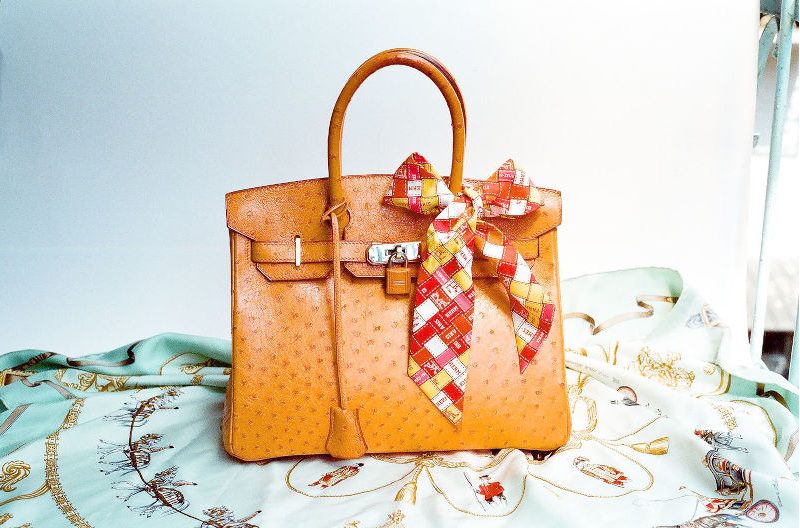
The luxury resale market is experiencing a period of adjustment. After years of soaring prices and intense demand, some designer handbags are experiencing softer resale values. Yet rare Hermès Birkins could remain an exception, attracting collectors who value exclusivity, craftsmanship, and extraordinary designs.
While luxury purchases are becoming more considered, the appeal of exceptional handbags hasn’t disappeared. The rarest Birkin models occupy a distinctive position within the market, where desirability depends on far more than a recognizable logo. Their scarcity, heritage, and collectibility could help them remain resiliant during uncertain economic conditions.
The Luxury Resale Market Is Changing
Luxury resale experienced remarkable growth during the pandemic, when limited boutique availability pushed prices higher. But the market is becoming more selective, with buyers paying closer attention to condition, rarity, and long-term desirability. Collectors are increasingly distinguishing between widely available designs and truely exceptional pieces.
Economic pressures and changing consumer preferences continue to influence luxury spending. Buyers are becoming more discerning, particularly when considering expensive accessories that previously commanded substantial resale premiums.
Even Hermès hasn’t escaped the adjustment entirely. Resale premiums for certain standard Birkins have declined from their pandemic-era peaks. However, exceptional collector pieces can behave differently because their appeal rests on characteristics that cannot easily be reproduced.
Why Hermès Birkin Scarcity Still Matters
The Birkin has always occupied an unusual position in luxury fashion. Unlike handbags available directly through online boutiques, Birkins are generally purchased through Hermès stores.
The exclusive purchasing process surrounding Hermès Birkin bags contributes to their reputation for rarity.
However, access is more complicated than a conventional waiting list. Availability varies between boutiques, and customers cannot necessarily request a particular size, leather, or color and expect to receive it.
This unpredictability becomes especially relevant for unusual combinations and limited-production designs.
And while Hermès has expanded its manufacturing capacity, producing exceptional leather goods remains labor-intensive. The brand’s commitment to traditional craftsmanship naturally limits how quickly production can increase.
Rare Editions Offer Something Standard Birkins Cannot
Not every Birkin is equally collectible. Classic leather versions remain desirable, but exceptional editions attract a different category of buyer.
Consider exotic leather Birkins, distinctive color combinations, special-order pieces, and unusual constructions. Their appeal extends beyond everyday practicality.
The fascination with unconventional Hermès craftsmanship is evident in designs such as the Hermès Neo Madère bag, which illustrates how unusual materials and distinctive design details can create a different kind of luxury appeal.
Although not a Birkin, such creations help explain why collectors appreciate Hermès pieces that depart from familiar silhouettes.
Within the Birkin family, particularly sought-after examples include the Himalaya Birkin, Faubourg Birkin, and selected limited-edition designs.
Their appeal often comes from collectors seeking a particular piece rather than shoppers comparing interchangeable handbags.
Resale Performance Reveals a More Complicated Picture
Despite broader market uncertainty, Hermès continues to demonstrate considerable strength within luxury resale.
The brand’s handbags have historically commanded substantial secondary-market premiums, with certain Birkin configurations selling above their original retail prices.
However, broader luxury trends don’t necessarily reflect the performance of exceptional collector handbags.
A standard Birkin may experience different pricing pressures from a limited-edition design with very few comparable examples.
Resale performance also varies depending on the model, material, condition, and original purchase price.
A rare Birkin purchased at an inflated secondary-market premium may deliver a disappointing return. But genuinely scarce examples with established collector demand could prove more resistant to widespread price reductions.
Craftsmanship Creates Lasting Collector Appeal
Hermès has built its reputation around artisanal expertise rather than rapid production.
Its leather goods require specialized skills, careful material selection, and meticulous finishing. The company’s traditional saddle-stitching techniques are particularly associated with its leatherworking heritage.
The Hermès approach to craftsmanship reflects generations of leatherworking expertise and an emphasis on exceptional quality.
These qualities give collectors something tangible to appreciate beyond brand recognition.
A beautifully preserved Birkin represents both a functional accessory and an example of specialist craftsmanship. For rare editions, unusual construction methods or exceptional materials can make that connection even stronger.
Collectors may also appreciate the history surrounding particular designs, including their original release period and place within Hermès’ creative development.
Why Wealthy Collectors May Continue Buying
Economic uncertainty affects luxury consumers differently.
Some shoppers become more cautious about discretionary purchases, while established collectors may continue seeking rare objects that complement existing collections.
For these buyers, a Birkin isn’t necessarily a financial investment. It can represent personal taste, fashion history, or the satisfaction of acquiring something difficult to find.
And exceptionally rare designs can attract individuals who already own several classic Birkins. Their motivation is often to acquire something distinctive rather than another recognizable handbag.
Nevertheless, even wealthy collectors can become price-sensitive when comparable examples appear more frequently.
What Determines Whether a Rare Birkin Holds Its Value?
Scarcity alone doesn’t guarantee strong resale performance. Several characteristics influence a Birkin’s value:
- Rarity: Limited-production designs and unusual configurations attract specialist collectors.
- Condition: Pristine examples generally command stronger prices.
- Provenance: Reliable documentation strengthens buyer confidence.
- Materials: Exotic leathers and distinctive finishes appeal to particular collectors.
- Demand: A rare design still needs interested buyers to justify its premium.
Authentication is equally essential. Buyers must also consider transaction fees, insurance, and restrictions affecting exotic materials.
Could Rare Birkins Remain Resilient?
The luxury resale slowdown is exposing differences between fashionable accessories and established collector pieces.
Ordinary Birkins aren’t immune to falling premiums, and pandemic-era prices may not return across every category.
Yet rare editions possess characteristics that could support continued demand, including limited availability, distinctive craftsmanship, and an international collecting audience.
The strongest prospects belong to pieces combining genuine scarcity with sustained collector interest, rather than rarity alone. For Hermès enthusiasts, that distinction may become increasingly important as the resale market matures.







Comment