
Beyond Traditional Editing: How Dola AI Video Is Opening New Creative Possibilities

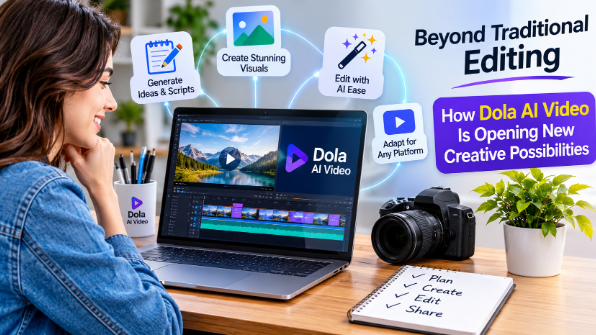
Creating professional-looking videos is no longer limited to production studios, experienced editors, or businesses with large marketing budgets. Advances in artificial intelligence are changing the way digital content is planned, developed, and presented. What once required multiple software applications and hours of manual work can now be approached through more flexible technology-assisted workflows.
Dola AI Video is a relevant name in the growing discussion around AI-driven video creation. As creators look for new ways to communicate through visual content, platforms associated with artificial intelligence are attracting attention for their potential to simplify creative tasks and support modern production needs.
Rather than viewing AI as a replacement for traditional creativity, it is more useful to understand how these technologies can complement human ideas and make video production more adaptable.
Why Video Creators Are Rethinking Traditional Workflows
The demand for digital video continues to influence how brands, entrepreneurs, and independent creators communicate online. Short promotional clips, product demonstrations, educational explainers, and storytelling videos have become important parts of digital communication.
However, conventional production methods are not always suitable for every project. Recording footage, arranging equipment, editing individual scenes, and preparing different versions can consume valuable resources.
This is where artificial intelligence introduces an alternative approach. AI-assisted workflows can help reduce repetitive tasks and give creators additional ways to experiment with their content.
For someone managing a small business or personal brand, the ability to explore creative ideas without handling every technical detail manually can be particularly valuable.
Turning Simple Ideas Into Visual Concepts
One of the most interesting developments in AI-powered creativity is the connection between written ideas and visual presentation.
Creators often begin with a basic concept rather than a complete production plan. They might have a product description, a short story, or an explanation that needs to become an engaging video.
AI technologies can support this early stage by helping users organize concepts, develop scripts, and explore possible visual directions.
For example, a fitness instructor preparing an introductory video could begin with a few key points about a training program. AI assistance may help organize those points into a logical sequence, suggest visual approaches, and prepare supporting content.
This approach makes the creative process more approachable, especially for people who have strong ideas but limited video production experience.
New Ways to Develop Marketing Content
Digital marketing has become increasingly visual. Businesses use video to introduce products, explain services, communicate brand values, and answer common customer questions.
Producing fresh material for every campaign can be challenging, particularly for smaller organizations.
AI-assisted video workflows may help marketers explore several creative directions before selecting the most suitable approach. They can use technology to support campaign planning, prepare content variations, and reduce certain repetitive production activities.
For instance, an online store launching a new collection might need product introductions, social media advertisements, and short explanatory clips. A structured AI-assisted workflow could help the marketing team organize these different content requirements.
The important consideration is maintaining brand consistency. Every finished video should communicate accurate information and reflect the business’s identity.
Making Educational Videos More Engaging
Video is also transforming education and knowledge sharing. Teachers, trainers, consultants, and online instructors increasingly use visual explanations to make complicated subjects easier to understand.
AI technology creates additional opportunities in this area. Creators can use AI assistance to organize lesson material, prepare presentation outlines, generate supporting visual concepts, and improve the accessibility of educational content.
Imagine an instructor explaining a technical subject that involves several processes. Instead of relying entirely on lengthy written explanations, the instructor could develop a visual sequence that presents each stage separately.
Subtitles and alternative video formats can also help make learning materials more accessible to different audiences.
Nevertheless, educational content requires careful fact-checking. AI-generated explanations should be reviewed by someone who understands the subject before publication.
The Importance of Creative Freedom and Experimentation
One major advantage of exploring AI-powered production is the opportunity to experiment.
Traditional video production can make creative changes expensive or time-consuming. Adjusting a concept after filming may require additional recording, editing, and coordination.
AI-assisted technologies can make certain stages more flexible. Depending on the available features, creators may be able to test different visual directions, explore alternative presentations, or revise supporting materials without rebuilding the entire project.
This flexibility can encourage experimentation.
A travel business, for example, might explore different storytelling approaches for the same destination. One version could focus on local attractions, while another highlights cultural experiences or travel planning.
Comparing these approaches can help the business identify which message is most relevant to its intended audience.
What Should Users Consider Before Choosing an AI Video Platform?
Not every AI video service offers identical capabilities. Before selecting a platform, users should consider their creative requirements rather than choosing a tool simply because it is popular.
Several factors deserve attention:
- Available features: Check whether the platform supports the specific production activities you need.
- Ease of use: A straightforward interface can make the experience more manageable for beginners.
- Output quality: Review sample results to understand the quality of the generated or edited content.
- Pricing structure: Compare free access, subscription costs, usage restrictions, and additional charges.
- Export options: Make sure the available formats are suitable for your intended platforms.
- Privacy and licensing: Understand how uploaded materials are handled and what usage rights apply to generated content.
These considerations can help users make informed decisions and avoid choosing a service that does not match their expectations.
Why Human Creativity Still Matters
Despite the growing capabilities of artificial intelligence, successful video production still depends on human judgment.
An automated system may help arrange scenes or develop visual material, but it does not automatically understand every audience, cultural context, or business objective.
Creators must decide what story deserves to be told, which information should be emphasized, and how viewers should feel after watching.
Originality is equally important. Publishing large amounts of automated content without thoughtful direction can make a brand appear repetitive and disconnected from its audience.
The strongest approach combines technological assistance with meaningful ideas, careful editing, and a clear creative vision.
Preparing for the Next Generation of Video Content
The future of digital production will likely involve closer connections between artificial intelligence and everyday creative software. More flexible editing processes, improved visual generation, and smarter content adaptation could influence how individuals and organizations produce videos.
For independent creators, these developments may open new opportunities to explore formats that previously seemed too complicated or expensive. Businesses may also benefit from more adaptable content development processes.
Within this changing environment, Dola AI Video represents a topic worth exploring for anyone interested in the relationship between artificial intelligence and modern visual communication.
Conclusion
Video production is entering a new phase in which technology can support creativity at multiple stages. From developing initial concepts to preparing marketing materials and educational presentations, AI-assisted workflows are creating additional possibilities for digital creators.
The real opportunity is not simply automating production. It is using available technology to communicate ideas more effectively while preserving originality, accuracy, and human creativity.
As interest in AI-powered video continues to grow, exploring platforms and developments associated with Dola AI Video can help creators better understand the possibilities shaping the future of digital storytelling.







Comment