
Is Tin Safe for Food Storage? What to Check Before Choosing a Container

Tin containers can be suitable for food storage, provided they are made for the food and conditions involved. A tin desighttps://tinwonder.comned for biscuits has a different job from a can used for tomato sauce. The material matters, but so do the interior coating, the lid and the way the container will be used.
That is why “food grade” is only a starting point. Before choosing a tin, you need to know what it was designed to hold.
What Is a Food Tin Made From?
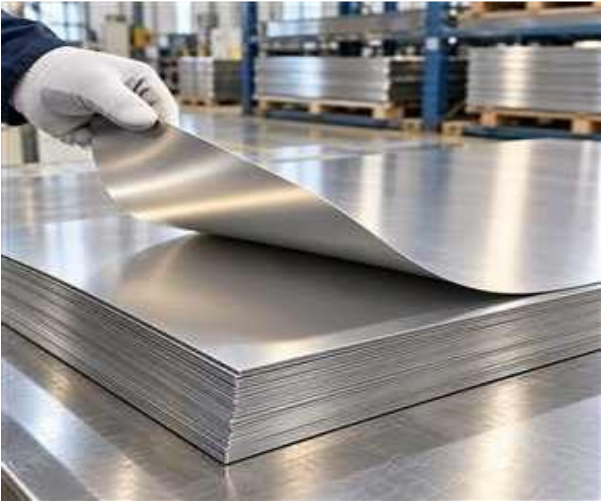
Many containers commonly called tins are made from tinplate: steel covered with a thin layer of tin. The steel gives the container its shape and strength. The tin helps protect the steel against corrosion.
Depending on the intended use, the inside may also have a protective coating. This coating separates the food from the metal surface. Its suitability depends on the food, the contact time and the temperatures the packaging will encounter.
You cannot identify all of these features by looking at a finished container. Two tins may have the same shape and printed design while using different interior coatings. For a packaging buyer, the material specification is more useful than appearance alone.
Dry Foods and Wet Foods Need Different Packaging
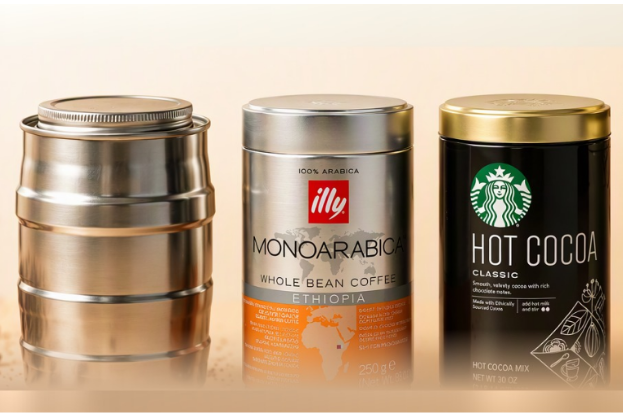
Tea, biscuits and dry spices are common uses for tin packaging. These products have different storage needs, but they generally expose the container to less moisture than sauces or foods packed in liquid.
For dry foods, keeping moisture out is often a central concern. A container also needs to protect the product during handling and repeated opening. If it will be reused, it should be easy to clean and dry thoroughly.
Acidic or salty foods require closer attention to compatibility. Tomato products, pickled foods and sauces should go into packaging specifically designed and assessed for those conditions. An empty tea tin is not an appropriate substitute simply because both containers are metal.
The distinction also matters when buying custom packaging. Tell the supplier what will go inside before selecting the container and its interior finish.
The Interior Surface Deserves a Closer Look
People usually notice printing, colour and shape first. For direct food contact, the inside deserves just as much attention.
Ask which interior coating is used and what applications it is suitable for. The answer should relate to your product. A general statement that the supplier makes food packaging does not establish that every container in its catalogue is suitable for every food.
The finished surface matters too. Forming and assembling a container can place stress on coated areas. The supplier should have a way to check coating quality on the finished packaging, including areas affected by its construction.
For an existing container, visible rust, flaking or damage to the interior is a reason to stop using it for direct food contact. If you are unsure whether an older decorative tin was intended for food, use a separate food-safe container or liner rather than assuming the original surface is suitable.
A Close-Fitting Lid Does Not Prove an Airtight Seal
Tinplate provides a barrier through the body of the container. The lid, seams and other openings determine how well the complete package keeps air and moisture out.
This is especially relevant for tea and coffee. A lid may feel firm when pressed into place, yet that alone does not establish airtight performance. A decorative slip lid, a gasketed closure and a sealed inner bag serve different purposes.
Start with the storage requirement. Will the product be sold quickly or sit on a shelf for several months? Will customers open the tin every day? Will the food touch the tin directly, or remain inside an inner pouch?
Those answers help determine whether the tin can serve as the primary package or whether it needs an additional barrier. If airtightness is part of the product claim, ask for evidence covering the complete container and closure.
What Should a Supplier Be Able to Provide?
A useful packaging discussion begins with a short product brief. Include the food type, whether contact will be direct, the intended shelf life and any filling or heating process. Storage and transport conditions belong in that brief as well.
Then ask the supplier for:
- A material specification. This should identify the container material and relevant interior finish.
- Confirmation of intended use. The proposed packaging should be suitable for your food and the conditions you have described.
- Relevant compliance documentation. The documents should cover the supplied materials or construction and the destination market.
- An explanation of testing conditions. Where testing is provided, check whether the food types, temperatures and contact times are relevant to your application.
A report is useful only when its scope is understood. A test for one coating or one set of conditions does not automatically answer questions about a different package.
Requirements also vary between markets. For international orders, identify the destination country early so the supplier and testing laboratory can establish which requirements apply.
Test the Package With the Actual Product
Documents help establish suitability, but product trials answer practical questions that a specification sheet may miss.
Fill samples using the intended process and store them under representative conditions. Check the food and the container over time. Look for changes in aroma, flavour, texture and appearance, as well as corrosion or damage to the interior.
For tea or biscuits, moisture pickup may be a concern. For strongly aromatic products, odour transfer may need attention. The checks should follow the product’s likely failure points.
Transport trials are useful too. A tin that looks good on a desk may behave differently after packing, stacking and delivery. Dents around a closure can affect how it fits, while inadequate outer packaging can leave an otherwise suitable container damaged before it reaches the customer.
Using Food Tins at Home
For everyday storage, follow the container’s intended use and care instructions. Keep dry-food tins dry, and allow cleaned containers to dry fully before refilling them.
Avoid putting wet or acidic leftovers into a decorative tin unless it is specifically intended for that purpose. Do not assume a container is suitable for heating, dishwashing or long-term food storage because it originally held a packaged food.
Check reusable tins periodically, particularly around seams and the lid. If corrosion develops or the interior finish begins to deteriorate, replace the container.
Choosing a Tin With Confidence
A suitable food tin starts with a clear match between the product and the packaging. The interior surface must be appropriate for contact with the food, and the closure must provide the protection the product needs.
For buyers, the most useful question is specific: “Is this container suitable for this food, under these filling and storage conditions?” A supplier’s answer should be supported by relevant specifications and documentation.
That gives you a firmer basis for choosing packaging than a “food grade” label on its own.
Jimmy Jin is sales manager at Tinwonder Co., Ltd, a manufacturer of custom tin boxes and tin cans. Their work focuses on helping brands customize their own fancy metal tin packaging.






Comment