
Forecast of US Sustainable Packaging Solutions in 2026

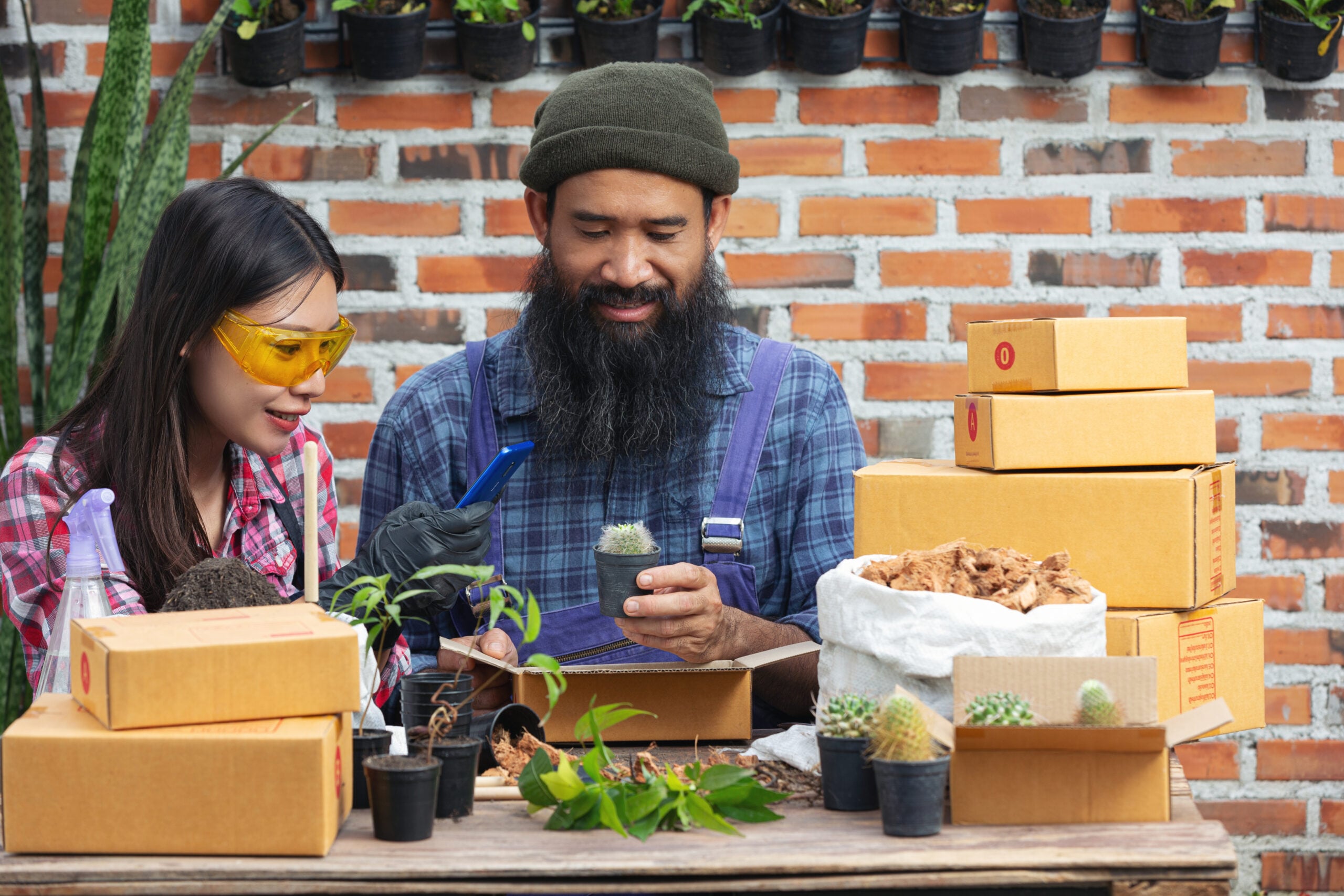
You can reach the narrow line of ROI when you balance supply chain efficiency, material innovation and right packaging supplier partnerships fueled by eco-conscious demands. Staying on the side of sustainable packaging is the right decision. It reflects global sustainable packaging market trends, as it is rising from USD 310 billion and will reach 590 billion by 2035. (Source: Statista)
Report from McKinsey 2025: 54% of US consumers are interested in buying products packed in eco-friendly packaging. Selecting one doesn’t limit your options to some boring boxes. Customization in material, design, style and size can all be changed to fit your needs. The cardboard has enough thickness to support your product; the durability of boxes can be enhanced when you choose the right GSM.
Online market brings a revolution to buying process, coupled with growing slice of ecommerce mailers, with a healthy segment of 36.46 billion in 2026 (Mordor Intelligence).
Sustainable Packaging Market Size Globally in 2026
Multiple sources from the research show sustainable packaging has a bright future. Their estimations have different numbers because they focus on materializing sustainability. Some analysts include recycled packaging while others exclude it, but focus on compostability criteria.
| Research Firm | 2026 Market Estimate | Projected Value | CAGR |
| Mordor Intelligence | USD 325.94 billion | USD 463.41B by 2031 | 7.29% |
| Fortune Business Insights | USD 399.97 billion | USD 671.97B by 2034 | 6.70% |
| Towards Packaging | USD 334.43 billion | USD 594.46B by 2035 | 6.60% |
| Future Market Insights | USD 267.3
billion |
USD 421.6B by 2036 | 4.70% |
Across major industry studies, show uninterrupted growth through the early 2030s, with anticipated CAGRs typically spanning 5% to 8%.
Drive for this momentum in 2026 stems heavily from compliance mandates, especially European and North American EPR frameworks, alongside heightened preference from Millennial and Gen Z demographics. Furthermore, corporate strategies aimed at curbing Scope 3 emissions place a strong emphasis on addressing packaging materials.
Packaging Waste of US Generated in 2026
The most recent detailed packaging data from the US government (EPA) goes back to 2018. At that time, packaging made up nearly 30% of all US trash (82.2 million tons), and just over half was recycled. The government hasn’t updated these numbers since, which shows how slowly official data updates compared to how fast businesses and environmental laws are moving in 2026.
Plastic packaging faces an even bigger challenge. According to an early 2026 report by the US Plastics Pact, only 13.3% of plastic packaging gets recycled in the US, a number that hasn’t changed because of the lack of new official reports. Even worse, the recycling rate for plastic bags and thin mailers dropped from 9% in 2018 to around 5% today. For standard plastic mailer bags (made from LDPE/LLDPE), only 2% are recycled, while 88% go straight to landfills and 10% are burned.
The main problem is a lack of proper facilities. Soft, thin plastic cannot be thrown into regular recycling bins because it tangles in sorting machines and breaks them. Fixing this system across the US would cost between $36.5 billion and $43.4 billion. Right now, even when recycling bins are available, people still throw away 76% of recyclable materials at home.
What Do Consumers Prefer About Packaging in 2026?
According to McKinsey’s 2025 Global Packaging Survey (which asked 11,000 people across 11 countries), 13% of US shoppers are willing to spend significantly more for eco-friendly packaging. Willingness to pay extra is much higher among younger, wealthier buyers. For instance, in Germany, 25% of high-income Millennials said they would pay extra, compared to only 1% of high-income Gen Xers. Across the globe, the buyers most willing to pay a premium for green packaging are younger, earning more, and living in specific regions.
A 2025 report by Shorr, which surveyed over 2,000 US consumers, highlighted similar trends:
- 54% picked products with eco-friendly packaging over the past six months.
- 90% prefer buying from brands that use green packaging.
- 39% changed brands specifically because another company offered better sustainable packaging.
- 69% expect companies and retailers to use eco-friendly options.
- Younger shoppers lead on price: 49% of Gen Z and 47% of Millennials pay extra for eco-packaging, compared to 41% of Gen X and 37% of Baby Boomers.
Effect of Sustainable Packaging on Your Branding
The business argument for eco-friendly packaging is no longer just about doing the right thing, it’s driven by hard sales data.
A major 5-year study by McKinsey and NielsenIQ analyzed 600,000 products across 44 retail categories. The results were clear: products featuring sustainable (ESG) claims grew 28%, compared to just 20% for non-sustainable alternatives. Even though eco-friendly items made up a smaller share of the market initially, they drove 56% of total industry growth, performing nearly 20% better than expected.
What’s more, depth matters. Products making multiple specific environmental claims grew twice as fast as those with just a single generic label. This aligns with recent consumer research showing that nearly 40% of US buyers have switched brands specifically because of packaging sustainability. While claims alone don’t guarantee success, the data proves a strong link between green packaging and market growth.
Ready to upgrade your packaging strategy?
Don’t let your products fall behind as shoppers shift toward eco-friendly choices. Partner with The Printing World to design and manufacture high-performance, sustainable custom boxes that tell your brand’s green story clearly.






Comment