Medicine has never been a profession where learning ends at graduation. Doctors have always needed to keep pace with new discoveries, changing treatments, and evolving approaches to patient care. What is different today is the speed at which medical knowledge is advancing.
New research, digital technologies, public health priorities, and updated clinical guidelines are constantly reshaping healthcare. As a result, doctors must continue developing their knowledge and skills throughout their careers.
For students entering medical school today, this journey begins earlier than they may expect. A medical degree is not the final stage of education. It is the foundation for a lifetime of professional development.
Medical institutions therefore have a responsibility that extends beyond teaching current scientific knowledge. They must also prepare graduates to remain curious, evaluate new evidence and adapt confidently as healthcare continues to change.
Medicine Is Constantly Evolving
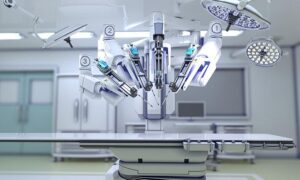
Healthcare has changed considerably over the past two decades. New diagnostic technologies, minimally invasive procedures, precision medicine, artificial intelligence and advances in genomics are influencing how diseases are detected, understood and treated.
Doctors are also responding to wider global health challenges. Emerging infectious diseases, ageing populations and changing patterns of illness require healthcare professionals to adapt their knowledge and clinical approaches continuously.
This means that information learned during medical school cannot remain static. Clinical guidelines are revised, treatment protocols change, and new evidence may replace practices that were accepted for many years.
To remain effective, doctors must update their knowledge regularly and reconsider their approaches when stronger evidence becomes available.
Medical education plays an important role in preparing students for this reality. In addition to teaching medical sciences, institutions must help future doctors develop curiosity, critical thinking, and evidence-based decision-making skills that continue well beyond graduation.
Building the Foundation During Medical School
Lifelong learning does not begin after students receive their medical degrees. Its foundation is built during medical school.
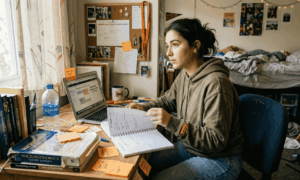
Those who develop strong study habits, learn to evaluate scientific literature, and feel comfortable asking questions are better prepared for continuous professional development later in their careers.
Medical education should therefore encourage a deep understanding of concepts rather than relying only on memorisation for examinations. Memorisation may help with recalling facts, but genuine understanding allows future doctors to apply their knowledge when faced with unfamiliar clinical situations.
Case discussions, journal reading, independent study and exposure to research also help learners recognise that medicine is built on scientific evidence that continues to develop.
By understanding how medical knowledge changes, future doctors become better prepared to respond to new discoveries, guidelines and treatment approaches.
Developing Skills Beyond Academic Knowledge
Professional development in medicine is not limited to textbooks, clinical guidelines or research papers. Doctors must also strengthen their communication, leadership, teamwork, ethical decision-making and cultural awareness throughout their careers.
Patients expect doctors to explain complex medical information clearly, listen carefully to their concerns and involve them in decisions about their care. These abilities often develop gradually through experience, feedback and reflection.
Healthcare is also increasingly multidisciplinary. Doctors regularly work alongside nurses, pharmacists, therapists, laboratory professionals and specialists. Effective patient care therefore depends on the ability to communicate and collaborate with professionals from different fields.
Medical institutions can support this development by creating environments that encourage discussion, teamwork, reflection and problem-solving rather than focusing only on examination performance.
The Growing Role of Technology
Technology has changed both medical practice and the way doctors access knowledge.
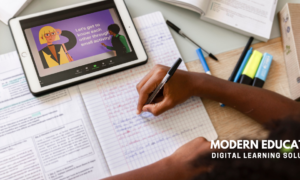
Medical journals, digital libraries, online clinical resources, virtual simulations, webinars and professional education platforms now make information available from almost anywhere in the world.
However, access to information does not automatically lead to better medical practice. Healthcare professionals must know how to identify reliable sources, assess the quality of evidence and recognise material that may be inaccurate, outdated or poorly supported.
Alongside a strong foundation of medical knowledge, doctors must know how to locate, evaluate and responsibly apply reliable evidence. These skills allow them to make informed decisions while adapting to new technologies and developments in healthcare.
Becoming familiar with digital learning tools during medical school can also make ongoing professional development a natural part of a doctor’s career.
Why Research Exposure Matters
Research plays an important role in lifelong learning because it shows students how medical knowledge is developed, tested and refined.
Understanding research methods, interpreting scientific publications and assessing the strength of evidence help future doctors distinguish established medical practice from emerging developments.
These skills are valuable even for those who do not intend to pursue academic research careers. Evidence-based medicine depends on a doctor’s ability to critically review new information before applying it in clinical practice.
Participation in research projects, academic conferences, journal discussions and scholarly activities can help students develop analytical skills from an early stage.
Research exposure also encourages them to ask thoughtful questions rather than accept information without examination. This mindset is essential in a profession where recommendations, technologies and treatment approaches continue to evolve.
Learning in an International Environment
Studying within an international academic community gives students opportunities to learn from different healthcare perspectives.
Learners from various countries often bring diverse experiences, cultural backgrounds, healthcare challenges and approaches to patient care into classroom discussions.
This diversity encourages broader thinking. It helps future doctors understand that healthcare systems may differ between countries, even though many medical principles remain universal.
Learning alongside people from different backgrounds can also strengthen communication, cultural awareness and professional adaptability.
As healthcare becomes increasingly global, doctors may work with patients and colleagues from many cultures. Exposure to an international learning environment can help them become more confident, respectful and effective when working in diverse healthcare settings.
How Texila Encourages Continuous Learning
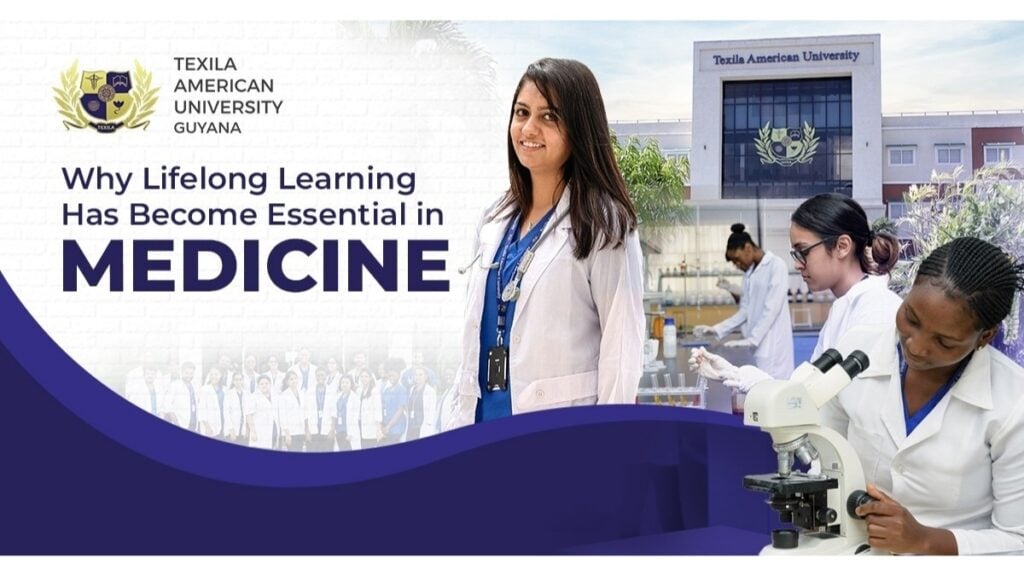
At Texila American University Guyana, lifelong learning is reflected in the way medical education is structured.
Students are introduced not only to foundational medical sciences but also to research resources, digital learning platforms, clinical discussions and supervised practical exposure that support their academic development.
The learning environment combines classroom instruction with laboratory work, clinical exposure and access to library and e-journal resources. Through evidence-based learning, students can ask informed questions and connect scientific knowledge with practical healthcare situations.
Rather than viewing education only as preparation for examinations, the university supports the development of independent learners who remain intellectually curious throughout their studies.
Texila’s multinational student community also contributes to this experience. Studying alongside peers from different countries allows students to exchange ideas, explore varied healthcare perspectives and strengthen their communication skills.
Faculty engagement further supports this culture. Through academic guidance, mentoring and continuous assessment, students can reflect on their progress, recognise areas for improvement and take greater responsibility for their education.
Preparing Doctors for Long-Term Careers
A medical career may span several decades. During that time, healthcare systems, diseases, technologies and treatment approaches will continue to change.
The doctors who serve patients most effectively will be those who combine a strong medical foundation with a continued willingness to learn, question, reflect and improve.
Medical education must therefore prepare students for this long-term professional journey. By encouraging curiosity, evidence-based thinking, research engagement and adaptability, institutions can help future doctors build careers that remain relevant in changing healthcare environments.
Lifelong learning is no longer simply an expectation within medicine. It is one of the defining characteristics of responsible medical practice.
For today’s medical students, developing the ability to keep learning may be just as valuable as the knowledge they gain during medical school.
Explore the medical programmes and learning opportunities available at Texila American University Guyana by visiting tau.edu.gy.