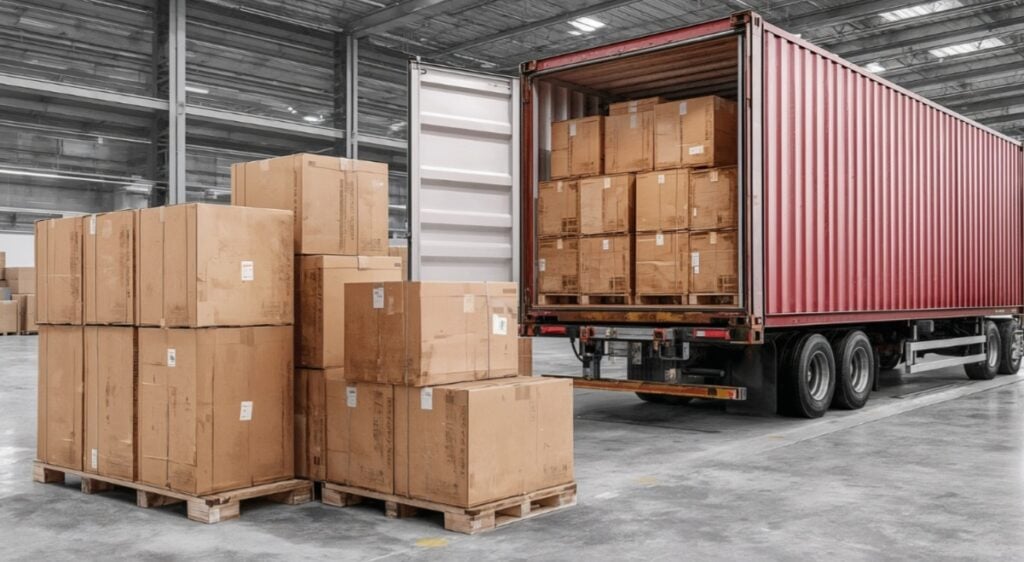
Modern logistics operations are responsible for moving an enormous volume of goods every day. From products ordered online to raw materials delivered to factories, logistics networks connect manufacturers, suppliers, retailers, and customers across different locations.
Behind this seemingly simple process is a complex system involving warehouses, transportation providers, inventory teams, technology platforms, and thousands of employees. Keeping everything moving efficiently requires careful planning and coordination.
As customer expectations continue to change, logistics companies are under increasing pressure to deliver goods quickly while controlling costs and maintaining reliable service. Modern operations have therefore adopted new technologies and processes to improve productivity without compromising safety or employee wellbeing.
The Importance of Organisation
An organised warehouse is one of the foundations of an efficient logistics operation. When products are stored systematically, employees can locate items more quickly and reduce unnecessary movement throughout the facility.
Warehouses typically use designated storage areas based on product type, size, demand, or handling requirements. Frequently ordered products may be positioned closer to packing stations, while less frequently requested items can be stored further away.
Clear labelling and consistent inventory systems also reduce errors. Employees can identify products more easily, while digital systems provide information about stock levels and storage locations.
Even relatively small improvements to warehouse organisation can make a noticeable difference when multiplied across thousands of daily orders.
Technology in Modern Logistics
Technology has transformed the way logistics companies manage their operations. Warehouse management systems allow businesses to track inventory, monitor incoming and outgoing shipments, and coordinate different stages of the fulfilment process. Barcode scanners and radio-frequency identification systems can further improve accuracy by allowing employees to update inventory information in real time.
Automation is also becoming increasingly common. Automated conveyors, sorting systems, storage solutions, and robotic equipment can perform repetitive tasks while allowing employees to focus on activities that require greater flexibility or decision-making.
These technologies do not necessarily eliminate the need for human workers. Instead, they can help employees complete their responsibilities more efficiently by reducing repetitive manual tasks.
Managing Inventory Effectively
Accurate inventory management is essential for maintaining efficient logistics operations. Having too much stock can increase storage costs, while insufficient inventory may result in delays and missed orders. Modern companies use historical sales information, seasonal trends, and demand forecasting tools to make more informed decisions about inventory levels.
Real-time tracking also provides greater visibility across the supply chain. Managers can identify which products are available, which shipments are in transit, and which items may require replenishment. Better inventory visibility allows businesses to respond more quickly when demand changes unexpectedly.
Improving Warehouse Movement
The movement of people and products throughout a warehouse has a major impact on productivity. Poorly planned layouts can result in employees walking long distances between storage areas, packing stations, and loading zones. Over the course of a shift, these unnecessary movements can add significant amounts of time to daily operations.
Warehouse designers therefore consider factors such as product flow, employee movement, equipment access, and storage density when planning facilities. Clearly defined pedestrian routes and equipment zones can also help reduce congestion. Separating different types of movement makes it easier for employees and machinery to operate safely within the same environment.
Supporting the Workforce
Although technology plays an increasingly important role in logistics, people remain essential to many operations. Warehouse employees may spend much of their working day walking, lifting, carrying, sorting, packing, and loading products. These activities can be physically demanding, particularly during periods of high order volume.
Businesses can support their workforce by providing appropriate training, ergonomic equipment, rest areas, and clear operating procedures.
The physical environment also matters. Adequate lighting, ventilation, clean floors, and well-maintained equipment can contribute to a more comfortable and productive workplace. For employees working around heavy products, moving equipment, and potentially uneven or slippery surfaces, protective footwear for workplace safety can form part of a broader approach to reducing everyday workplace risks.
Reducing Operational Delays
Efficiency is not simply about completing tasks faster. It also involves reducing avoidable delays. Equipment breakdowns, inventory discrepancies, incorrect shipments, and poor communication can all interrupt logistics operations. Businesses therefore invest in preventive maintenance and regular process reviews to identify potential sources of disruption.
For example, inspecting warehouse equipment regularly can help identify problems before they result in unexpected downtime. Similarly, reviewing order fulfilment data may reveal recurring errors that can be addressed through better training or process changes. Small improvements can accumulate over time, resulting in more reliable operations.
Communication Across Teams
Logistics operations involve multiple teams that need to coordinate their activities throughout the day. Warehouse employees, inventory managers, drivers, procurement teams, customer service representatives, and supervisors may all depend on accurate information from one another.
Clear communication helps prevent misunderstandings and ensures problems are addressed quickly. Digital communication platforms and shared management systems make it easier for different teams to access the same information. Regular briefings can also help employees understand changes in priorities, delivery schedules, inventory levels, or operational procedures.
Preparing for Demand Fluctuations
Demand is rarely consistent throughout the year. Seasonal shopping periods, promotional campaigns, holidays, and unexpected changes in consumer behaviour can significantly affect logistics operations. Companies that prepare for these fluctuations can respond more effectively when order volumes increase.
Temporary staffing, extended operating hours, additional warehouse capacity, and increased transportation resources may be required during peak periods. Forecasting tools can help businesses anticipate demand and plan resources before pressure builds across the supply chain.
Sustainability and Efficiency
Efficiency and sustainability are increasingly connected within modern logistics. Businesses are exploring ways to reduce packaging waste, optimise delivery routes, improve vehicle utilisation, and reduce unnecessary energy consumption in warehouses.
Route optimisation software can help transportation providers reduce the distance travelled between multiple destinations. Warehouses can also adopt energy-efficient lighting and equipment to lower operational costs. These initiatives can benefit both businesses and the environment while encouraging companies to reconsider how resources are used throughout their operations.
Continuous Improvement
The most efficient logistics operations are rarely created through a single major change. Instead, they evolve through continuous improvement. Companies regularly review performance data, employee feedback, customer expectations, and operational challenges to identify areas that can be improved.
A warehouse might reorganise a storage area to reduce walking distances. A delivery company may adjust routes to reduce fuel consumption. An inventory team might introduce automated scanning to reduce data entry errors. Each improvement may seem relatively small on its own, but together they can significantly influence productivity.
Conclusion
Modern logistics operations depend on coordination between people, technology, infrastructure, and well-designed processes. As businesses face increasing expectations for faster and more reliable deliveries, efficiency has become an essential part of remaining competitive.
From warehouse organisation and inventory management to automation, workforce support, and communication, every part of the logistics process contributes to overall performance.
The industry will continue to evolve as new technologies and working methods emerge. However, the fundamental goal remains the same: moving the right products to the right place at the right time while creating an environment where employees can perform their work safely and effectively.