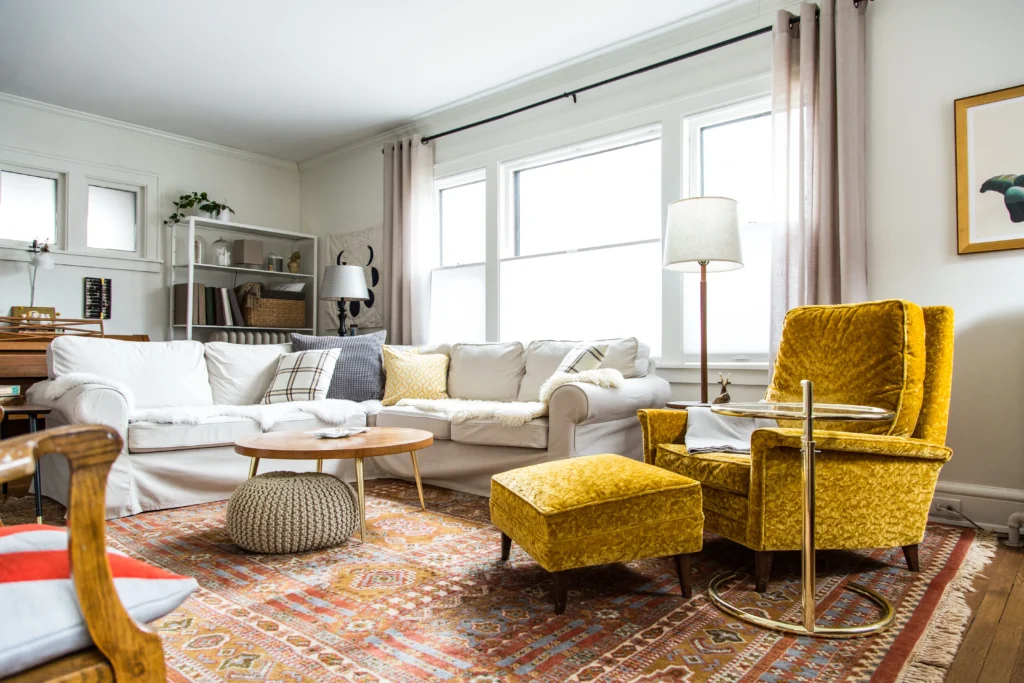
Older homes have a certain energy to them. The floors creak in a way that feels familiar. The trim is thick, the doors are heavy, and the rooms have a shape that feels intentional rather than stamped out by a developer. But there is also that moment when you look around and realize the house feels more like a time capsule than a sanctuary. The colors are off. The fixtures are tired. The little details that used to feel charming now just feel old.
I have been through this with my own place. It was built decades ago, and at first I loved the retro vibe. Then the retro vibe started to feel less like a choice and more like a neglect. The trick is figuring out how to update the space without ripping the soul out of it. You want modern comfort, but you also want the house to still feel like itself. That balance is not impossible. It just takes a little bit of focus.
Here is how I think about it. You do not need a gut renovation to make an older home feel modern. You need to change the loudest visual signals. If the loudest things in a room are dated, the whole room feels dated. If those loud things are clean and current, the room feels fresh even if the bones are old.
Start With the Walls and Trim
Paint is the most obvious answer, and for good reason. Color trends change constantly, and the colors that were popular thirty years ago are not the colors that look good now. That beige wall with the burgundy accent wall might have felt warm in 1995. Today it just looks heavy.
Modern colors are softer and cleaner. Greige is popular for a reason. It sits somewhere between gray and beige, and it works with almost any kind of light. Sage green, warm white, soft charcoal, these all make a room feel calm. The key is to keep the wall color consistent. When every room is a different color, the house feels choppy. When the colors flow from room to room, the house feels larger and more unified.
Trim is another thing. Older homes often have stained wood trim. Sometimes that trim is gorgeous and worth keeping. Sometimes it is cheap wood that has gone orange with age. If it is the latter, paint it. A crisp white trim against a soft neutral wall is a classic modern look. It frames the room without shouting for attention. If you love the wood trim, leave it, but make sure the wall color contrasts with it in a way that feels deliberate.
Change the Hardware
This is one of those upgrades that sounds too small to matter, but it matters more than almost anything else. The hardware in an older home is usually original. Brass knobs that have tarnished, cheap plastic switch plates that have yellowed, cabinet pulls that are loose and dated. All of these things sit right at eye level and right at hand level. You touch them constantly. You see them constantly.
Replacing door knobs is easy. You need a screwdriver and about twenty minutes per door. Go with a matte black or a brushed nickel finish. These finishes look current without being trendy. They also wear well. The same goes for cabinet pulls in the kitchen and bathroom. If your cabinets are old but in good shape, new hardware makes them look brand new.
And for the love of everything, replace the switch plates. Old switch plates are always yellowed, cracked, or covered in paint splatter. New ones cost almost nothing. But they make the wall look clean. It is a tiny detail that everyone subconsciously notices. You will notice it too.
Rethink the Lighting
Older homes are usually underlit. They have one ceiling fixture in the middle of the room and that is it. That single fixture is often a boob light or a dated chandelier that throws harsh shadows everywhere. Lighting changes the entire mood of a space, and modern lighting is all about layers.
You want a few different sources of light in every room. A ceiling fixture for general light, a floor lamp for reading, a table lamp for warmth. This creates depth. It makes the room feel cozy and intentional. If you can, install dimmers. Dimmers are cheap and they let you control the vibe instantly.
Replacing the fixtures themselves is not hard. Most of them are just a matter of turning off the breaker, disconnecting a few wires, and connecting the new ones. If you are not comfortable doing it, hire an electrician. It is worth it. A modern fixture draws the eye up and makes the whole room feel newer.
Simplify the Window Treatments
Heavy drapes with valances, tie backs, and layers of fabric are a very specific era. They block the light and make the room feel smaller. Modern window treatments are simpler. Think floor length linen curtains on a clean rod, or simple roller shades that disappear when they are open.
The hardware matters too. A chunky, decorative curtain rod with fancy finials looks dated. A slim, black or white rod looks modern. Hang the rod high, close to the ceiling, and let the curtains fall to the floor. This makes the ceilings look higher and the windows look bigger. It is a simple trick that changes the proportions of the room.
If privacy is not a concern, you can even skip the curtains entirely and just leave the windows bare. That is a very modern look, but it requires clean windows and a nice view. For most people, a simple shade or a light curtain is the right balance.
Update the Floors
The floor is the biggest surface in the room. If the floor is dated, the whole room is dated. Old carpet is the worst offender. It traps dust and odors, and the color is usually a faded beige or a shaggy brown. Pulling it up is one of the most satisfying things you can do.
Underneath, you might find original hardwood. If you do, you are in luck. Sanding and refinishing those floors in a matte or satin finish will give you a look that is both modern and full of character. The pale, natural wood look is very popular right now, and it works in almost any style of home.
If the hardwood is not salvageable, or if you want something more durable, consider luxury vinyl plank. It has come a long way. The textures look real, and the durability is unmatched. For bathrooms and kitchens, large format tile is the way to go. Keep the grout lines thin and the color neutral.
When the floor goes in, pay attention to the edges. New baseboards, or at least freshly painted ones, make the floor look finished. And think about the small metal grates that sit in the floor. Those old registers are usually bent, rusted, and caked with dust. Replacing them is a ten second job per vent. New Vent Covers will make the entire floor look crisp and intentional. It is the easiest upgrade you will ever do.
Clear the Clutter
Modern design is about breathing room. Older homes tend to collect stuff. Knick knacks on every shelf, family photos covering every wall, stacks of magazines on the coffee table. All of that visual noise makes the house feel busy and dated.
You do not have to become a minimalist. But you do need to be selective. Pick the pieces that mean something to you and get rid of the rest. Open shelves should have a few items on them, not thirty. Countertops should be clear. The coffee table should have a book and a candle, not a pile of mail.
This is a free upgrade, but it is often the hardest one. Letting go of stuff is emotional. But the result is a home that feels calm and modern. The space itself becomes the focus, not the objects filling it.
Freshen Up the Small Details
The difference between a house that feels updated and a house that feels neglected is in the details. The caulk around the bathtub, the grout in the tile, the weather stripping around the doors. These are the things you see every day but never really think about.
Cracked caulk makes a bathroom look dirty even when it is clean. Yellowed grout does the same for a kitchen floor. These are relatively easy fixes. You can recaulk a bathtub in an afternoon. You can clean and seal grout in a weekend. If the grout is really bad, you can even stain it a new color.
Also look at the doors themselves. Old doors are usually solid and good quality, but they might be covered in scratches and scuffs. A fresh coat of paint makes them look new. If the hinges are painted over, clean them or replace them. A door that closes smoothly and looks clean changes the feel of the whole room.
Update the Exterior
The inside is not the only thing that matters. The outside of your home sets the stage. If the exterior looks tired, the whole house feels tired before you even walk in.
Start with the front door. A bold color like navy, black, or deep green makes the entrance pop. A new door handle and a stylish porch light add polish. Replace the house numbers with something modern. Add a clean doormat and a couple of simple planters.
Also take a look at the landscaping. Overgrown bushes and patchy grass make the house look older than it is. A little bit of pruning and a fresh layer of mulch goes a long way. You do not need a professional landscaper. Just clean up the edges and let the house breathe.
Keep the Character
Here is the thing about making an older home look modern. You do not want to erase what makes it special. The original archways, the built in cabinets, the solid wood doors, the quirky little corners. Those are the features that give the house personality. Modernizing is about updating the surfaces, not deleting the soul.
A modern home with character is the goal. You want a clean, fresh space that still feels like a home, not a showroom. The mix of old and new is what makes it interesting. A sleek modern sofa against an original brick wall. A vintage rug under a modern coffee table. That tension is where the magic happens.
So do not be afraid to keep some of the old stuff. Just make sure it is clean, intentional, and balanced with the new. If you do that, you will end up with a house that feels current without feeling cold. And that is the best of both worlds.