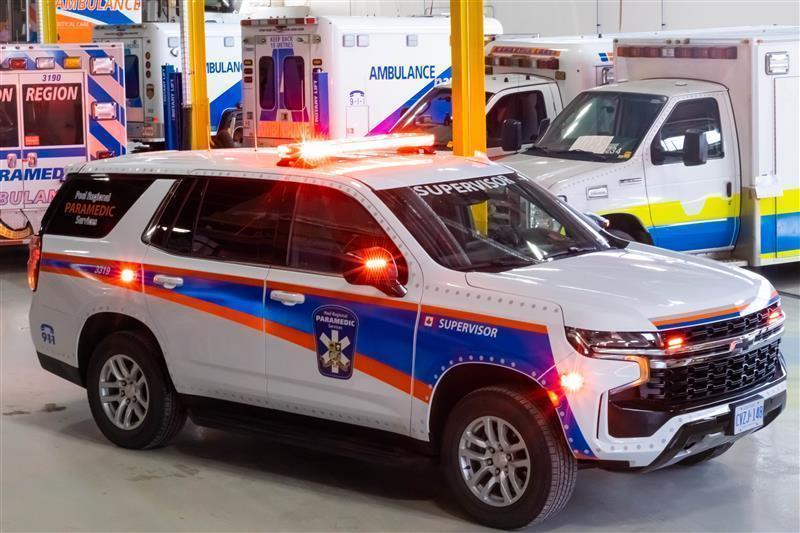
Budgeting for an emergency response vehicle often starts with visible costs such as equipment, storage, installation, and graphics. However, the initial build estimate does not always reflect the full cost of preparing a vehicle for its intended operational role. Emergency vehicle upfitting requires fleet managers to consider how the vehicle, equipment, crew workflow, and long-term maintenance needs will work together before the build begins.
This is particularly important for supervisor SUVs, command units, community paramedicine vehicles, support vehicles, specialty response vehicles, and other purpose-built fleet assets. An overlooked requirement can lead to changes later in the project, additional installation work, or inconsistencies across the fleet. A more complete budget considers the full vehicle setup rather than treating each component as an isolated purchase.
Equipment Integration Can Add to the Final Budget
Buying the required equipment is only one part of the cost. Each item must also fit within the vehicle’s intended layout and work alongside other systems already planned for the build.
Fleet managers should account for compatibility between the vehicle, storage system, mounted equipment, and any charging or power requirements. An item that works well on its own may require additional planning or installation to fit into the complete vehicle configuration.
Questions to address early include:
- Where will each piece of equipment be stored or mounted?
- Can crew members access it efficiently during an emergency response?
- Are compatible mounting or charging solutions required?
- Will the proposed layout support the vehicle’s intended workflow?
- Does the configuration leave room for future equipment changes?
Planning these requirements together can provide a clearer view of the actual project scope before installation begins.
Custom Storage and Space Planning Are Not Always Included in Basic Estimates
Available cargo space does not automatically translate into usable equipment space. Emergency response vehicles can carry different equipment depending on their role, so a standard layout may not support every team’s operational workflow.
A custom storage system may require planning around the equipment list, available space, crew access, and equipment protection. Fleet-specific layouts can also affect the number and type of storage components needed. Certified, purpose-built emergency response vehicle storage systems should therefore be considered as part of the overall build rather than an afterthought.
Late Layout Changes Can Create Additional Costs
A layout that looks practical on paper may need changes once equipment access and daily workflow are considered. Moving storage components or changing equipment locations after installation can add labour and materials to the project.
Early workflow planning helps fleet managers assess how crew members will access frequently used items. It can also support more consistent equipment placement, making inventory checks and daily vehicle preparation easier.
Graphics and Decals Need Their Own Budget Line
Vehicle graphics and decals are another cost that can be underestimated during early planning. Fleet identification, unit information, and other visual elements may require separate design and installation work depending on the scope of the project.
Fleet managers should also consider whether the design needs to align with other vehicles already in service. Maintaining a consistent appearance across multiple emergency response vehicles may require planning beyond a single upfit.
Changes to a vehicle’s role or fleet identity can also result in future graphic updates. Including these requirements in the original budget provides a more complete picture of the total investment.
Maintenance and Replacement Planning Begins Before the Vehicle Enters Service
The cost of emergency vehicle upfitting should not be viewed only as an initial purchase. Storage systems, mounted equipment, replacement parts, and other vehicle components may require maintenance or replacement over their operational life.
A long-term budget should consider preventative maintenance, inspection requirements, replacement component availability, and the potential effect of servicing on fleet readiness. Planning for these costs can help reduce surprises when equipment requires attention.
This is especially useful for fleets operating multiple vehicles. A consistent approach to components and equipment layouts can make future maintenance planning more predictable and help crews remain familiar with the setup.
Future Fleet Consistency Can Affect Long-Term Costs
A vehicle upfit should also be considered in relation to the rest of the fleet. Decisions made for one vehicle may become more costly when future vehicles use different layouts, equipment locations, or components.
Standardizing suitable elements where possible can support familiar workflows across the fleet. Crew members can more easily locate equipment when placement remains consistent between similar vehicles. It may also simplify inventory management and maintenance planning.
This does not mean every vehicle needs an identical configuration. Different operational roles may require different layouts. The goal is to identify where consistency supports fleet readiness without compromising the needs of individual vehicle types.
Canadian Vehicle Requirements Should Be Considered During Planning
Emergency vehicle upfitting can involve vehicle modifications that need to be considered alongside applicable Canadian safety requirements. Under Canada’s Motor Vehicle Safety Regulations, companies making certain alterations to vehicles must consider applicable safety standards and vehicle weight ratings in relation to the work being performed.
This makes it important to review regulatory requirements during the planning stage rather than after vehicle modifications have already been completed. Requirements can vary depending on the vehicle, the type of alteration, and the equipment being installed.
Fleet managers should therefore consider applicable federal and provincial requirements, vehicle manufacturer specifications, relevant safety standards, and internal fleet policies during the planning process. These factors should be reviewed in relation to the specific vehicle and modifications rather than assumed to apply uniformly to every upfit.
Building a More Complete Upfit Budget
Before approving a project budget, fleet managers should review the complete operational picture:
- Vehicle type and intended role
- Equipment list and compatibility
- Storage and mounting requirements
- Crew workflow and equipment accessibility
- Charging or power requirements
- Graphics and decals
- Installation scope
- Maintenance and replacement planning
- Future fleet consistency
- Applicable vehicle requirements and documentation
The lowest initial estimate may not always represent the lowest long-term cost. A realistic budget should account for what the vehicle needs to support reliable daily operations after the installation is complete.
Planning Beyond the Initial Purchase
A well-planned upfit budget looks beyond the cost of the first installation. Equipment integration, storage design, graphics, maintenance, and future fleet requirements can all influence the total investment. Addressing these factors early can help reduce unexpected changes and support a more practical vehicle configuration.
Fleet managers planning new or updated vehicle configurations can work with Rowland Emergency to assess equipment requirements, crew workflow, available space, and long-term fleet needs. Considering these factors together can help create an emergency response vehicle configuration that supports the way crews actually work while making future maintenance and fleet planning easier to manage.