
How to Stretch Your Budget Without Cutting Back on Experiences

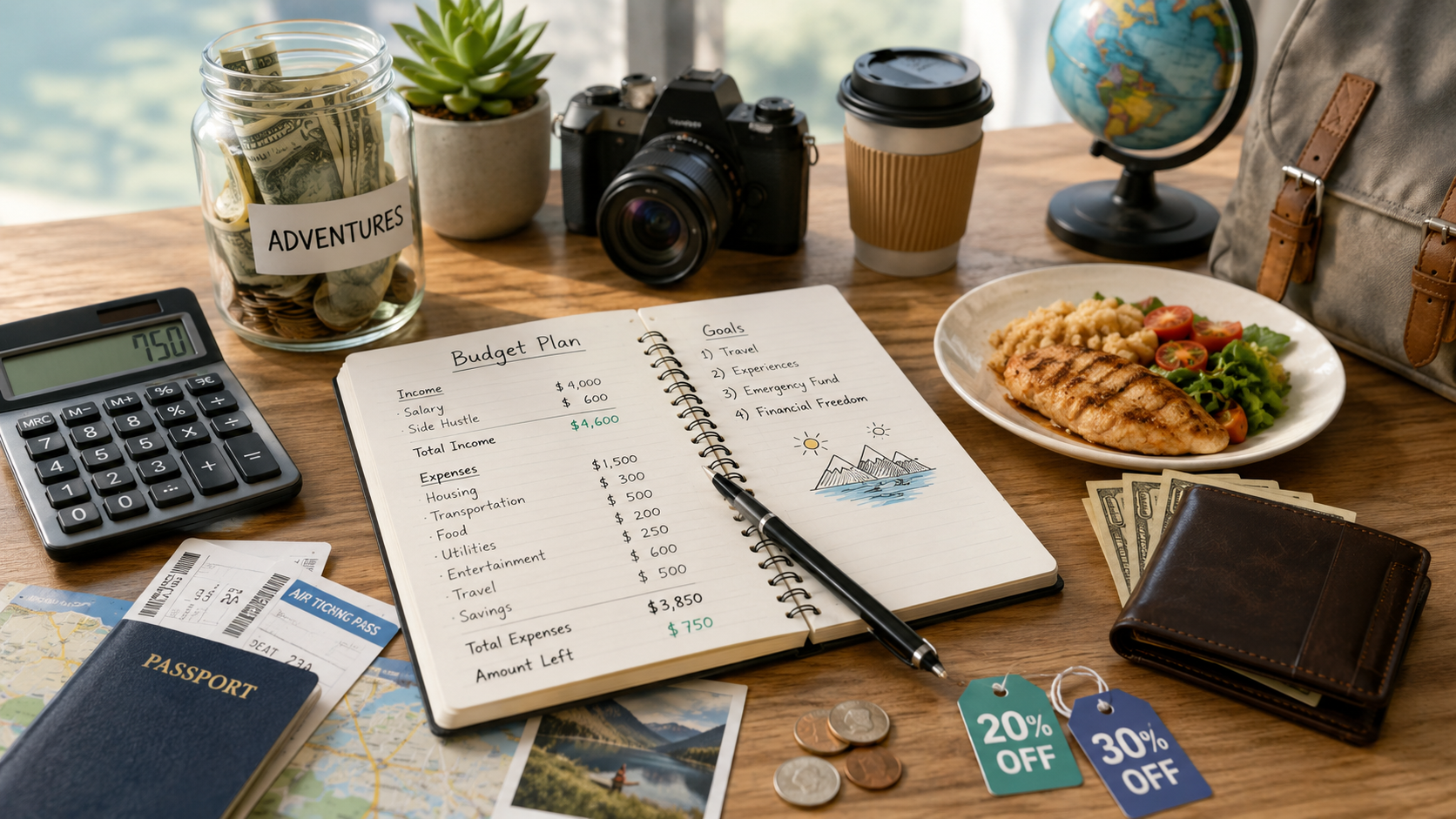
When people think about saving money, the first idea is often to cut things out. Fewer trips, fewer classes, fewer subscriptions, and fewer activities. But a budget can also improve through smarter purchasing rather than constant restriction.
Travel, learning, and entertainment are good examples. These expenses are flexible, which means there are often several ways to reduce the price without removing the experience completely.
Decide What Is Worth Keeping
Start by identifying the experiences you value most. If travel is important to you, keep it in the budget and look for savings elsewhere within the trip. If learning a language is a priority, focus on making lessons more affordable rather than abandoning the goal.
This makes budgeting more sustainable because you are protecting the spending that has a clear purpose.
Shop Around for the Same Outcome
You often have several ways to achieve the same result. A weekend trip can involve different airports, hotels, or travel dates. Language learning can involve different tutors, lesson frequencies, or packages.
Compare options based on the outcome you want rather than the first offer you see.
Use Discounts on Planned Spending
Promotions are most valuable when they apply to something already in your budget. Before paying, check whether there is an active offer that lowers the cost without changing the purchase in a way you do not want.
For learners who already intend to book online language lessons, an active Preply discount code may provide an additional saving on a planned expense.
This is a much healthier approach than browsing promotions first and then inventing a reason to buy something because it is discounted.
Make Travel Dates Work for You
If you are flexible, changing dates can produce larger savings than almost any coupon. Compare weekday and weekend departures, shoulder-season travel, and different lengths of stay.
You can also check available KAYAK promo codes and discounts while comparing fares to see whether there is an extra promotion that fits your booking.
The important part is to compare the total trip cost. A cheaper flight may not be cheaper overall if it requires an extra hotel night, expensive airport transfer, or additional baggage fees.
Buy Less Frequently, but More Intentionally
Small, repeated purchases can quietly take more of your budget than larger planned expenses. Review recurring subscriptions, unused memberships, and impulse purchases every few months.
Cancel what you no longer use and redirect part of that money toward experiences you actually care about. This creates room in the budget without making it feel overly restrictive.
Separate Price From Value
Saving money is not the same as always choosing the cheapest option. A slightly more expensive hotel in a central location may save transport costs. A tutor you enjoy working with may help you progress faster than a cheaper option you rarely book.
Think about what you receive for the total amount spent. Good value combines price with convenience, quality, and actual use.
Build a Repeatable Savings Habit
Before any non-essential purchase, compare the normal price, check for current promotions, review the terms, and ask whether a different date or plan would cost less.
That process takes only a few minutes. Used consistently, it can help you keep more of the experiences you enjoy while reducing how much you pay for them.
Create Separate Budgets for Experiences
One practical way to protect the things you enjoy is to give them their own budget. Instead of putting all discretionary spending into one category, create small monthly or annual amounts for travel, education, entertainment, and hobbies. This makes trade-offs clearer. If you want to take a larger trip later in the year, you can reduce smaller travel expenses now without feeling that all leisure spending has been eliminated. If language lessons are important, you can reserve money for them before spending on lower-priority subscriptions. Separate budgets also make promotions easier to evaluate. A discount is useful when it helps you stay within a category you already planned to fund. It is less useful when it encourages spending that was never part of the plan.
Plan Big Experiences Earlier
Large expenses are easier to manage when they are planned in advance. For travel, early planning gives you more dates, routes, and accommodation options to compare. You are also less likely to accept a poor price because the trip is only a few days away. For education, planning a learning goal over several months helps you choose an appropriate lesson frequency and budget rather than buying a large package in a burst of motivation. Early planning does not mean you must always book immediately. It simply gives you time to watch prices, evaluate promotions, and make a decision without urgency. When possible, set a target date and a maximum budget, then compare options over time. This turns a large expense into a series of smaller decisions rather than one rushed purchase.
Redirect Money From Low-Value Spending
Most budgets contain expenses that no longer provide much value. These might be subscriptions you rarely use, delivery fees that could be avoided with basic planning, frequent small impulse purchases, or memberships that made sense a year ago but no longer fit your routine. Review bank or card transactions occasionally and look for recurring charges that can be removed without affecting your quality of life. The money saved can be redirected toward experiences you care about more. This is often more satisfying than simply cutting the total budget. Canceling two unused subscriptions might cover part of a monthly course, a nicer hotel, or a future weekend trip. The goal is to shift spending toward higher-value uses rather than treating every non-essential expense as equally important.
Measure Experiences by What You Remember and Use
Value is personal. One traveler may care most about a central hotel, while another would rather stay farther away and spend more on food or activities. One learner may benefit from frequent short lessons, while another prefers a longer session once a week. After an experience, think about which expenses actually improved it. Did the premium hotel room matter? Did an upgraded fare save meaningful time? Did the larger lesson package help you stay consistent? These questions make future budgeting easier because you stop paying automatically for features that do not add much for you. Over time, your spending becomes more intentional and discounts become a way to improve value rather than a reason to buy more.
Final Thoughts
A tighter budget does not automatically require fewer experiences. Often, the better solution is to decide what matters, plan it earlier, remove low-value spending, and use discounts on purchases that were already part of the plan. Flexibility with dates, packages, and features can create additional savings without reducing the quality of the experience. By focusing on total value instead of simply chasing the lowest price, you can keep more room for travel, learning, and other activities that make the budget worthwhile in the first place.
Use a Sinking Fund for Bigger Plans
For larger experiences, consider setting aside a fixed amount each month in a separate savings pot. This is sometimes called a sinking fund. It works well for annual trips, courses, conferences, or other expenses you know are likely to happen. Saving gradually reduces the pressure to pay for everything from one month’s income and gives you more freedom to book when a good price appears. It also makes promotions genuinely useful because the money is already available. Instead of using a discount as an excuse to spend, you are simply lowering the cost of a plan you have already funded.




Comment