Introduction
In the rapidly evolving world of digital payments, staying ahead of the curve is crucial for businesses to thrive in the eCommerce landscape. The traditional methods of handling payments are being replaced by innovative solutions that offer convenience, security, and enhanced user experiences. One such solution that is gaining momentum is “Wallet as a Service” (WaaS). This article explores the concept of WaaS and its potential to revolutionize digital payments in eCommerce.
Understanding Wallet as a Service
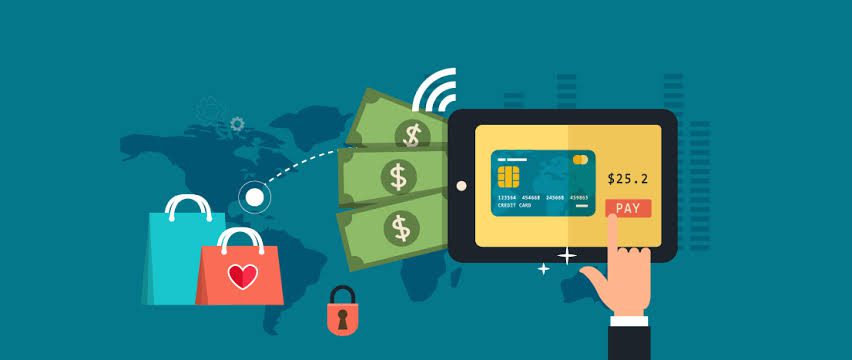
Wallet as a Service refers to a cloud-based platform that enables businesses to integrate digital wallets into their applications or websites seamlessly. Instead of building a wallet infrastructure from scratch, companies can leverage WaaS providers to handle the complexities of payment processing, security, and user authentication. WaaS offers a comprehensive suite of services, including transaction management, fund transfers, loyalty programs, and more.
Benefits of Wallet as a Service
Enhanced User Experience: By integrating a digital wallet into their platforms, businesses can provide customers with a seamless and intuitive payment experience. WaaS eliminates the need for users to repeatedly enter their payment details for each transaction, streamlining the checkout process and reducing friction. With a few clicks or taps, customers can securely complete their purchases, leading to increased conversion rates and customer satisfaction.
Security and Fraud Prevention: WaaS providers prioritize the security of transactions and implement robust measures to protect sensitive customer data. Tokenization and encryption techniques ensure that payment information is securely stored and transmitted. Moreover, WaaS platforms incorporate advanced fraud detection systems, such as machine learning algorithms, to identify and prevent fraudulent activities, reducing the risk of chargebacks and improving overall security.
Scalability and Flexibility: Implementing a digital wallet infrastructure can be complex and resource-intensive. By adopting WaaS, businesses can leverage the expertise and infrastructure of the service provider, allowing for easy scalability as their customer base grows. WaaS platforms are designed to handle high volumes of transactions, ensuring smooth operations even during peak periods. Additionally, WaaS solutions can be customized to align with the specific requirements of each business, providing flexibility and adaptability.
Cost Efficiency: Developing and maintaining an in-house digital wallet solution can be expensive. By opting for WaaS, businesses can significantly reduce upfront development costs and ongoing maintenance expenses. WaaS providers offer subscription-based pricing models, allowing businesses to pay for the services they require, making it a cost-effective solution for both startups and established enterprises. Check out here for https://www.eliftech.com/insights/wallet-as-a-service-the-next-digital-payment-revolution-in-ecommerce/
The Future of Wallet as a Service
As the eCommerce industry continues to expand, Wallet as a Service is poised to play a pivotal role in shaping the future of digital payments. The growing popularity of mobile commerce and the increasing demand for contactless payments have created fertile ground for the adoption of WaaS solutions. With the integration of emerging technologies like blockchain and decentralized finance (DeFi), WaaS platforms have the potential to further enhance security, transparency, and interoperability in digital transactions.
Conclusion
Wallet as a Service represents a significant step forward in the evolution of digital payments in the eCommerce landscape. By leveraging the capabilities of WaaS platforms, businesses can enhance user experiences, improve security measures, and reduce costs. As the demand for seamless and secure payment solutions continues to rise, embracing WaaS can provide businesses with a competitive edge and position them at the forefront of the digital payment revolution. In this era of rapidly advancing technology, staying ahead of the curve is not just an advantage; it’s a necessity.