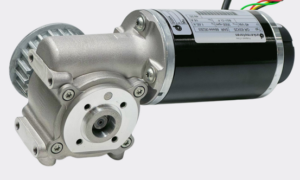
Electric motors generate heat whenever they convert electrical energy into mechanical motion. If that heat is not removed efficiently, internal temperatures can rise and damage insulation, bearings, windings, and other critical components. Open drip-proof motors rely on ventilation as a central part of their cooling strategy. Their enclosures allow air to move through the motor while providing limited protection against falling moisture and debris. This combination makes them a practical option for many clean, dry indoor applications.

What Is an Open Drip-Proof Motor?
An open drip-proof motor, often called an ODP motor, is built with ventilation openings that allow outside air to circulate through the enclosure. These openings help cool internal parts by carrying heat away from the windings, rotor, and frame. The enclosure is designed to reduce the chance that liquid falling from above at limited angles will enter the motor. However, it does not fully seal the motor against moisture, dust, chemicals, or airborne particles. Open drip-proof motors are therefore best suited for environments where contamination and direct water exposure are minimal.
The design is widely used in commercial and industrial equipment installed inside clean mechanical rooms or protected facilities. Common applications include pumps, fans, compressors, machine tools, and heating, ventilation, and air conditioning equipment. These motors are often selected because they provide effective cooling without requiring a fully enclosed frame. They may also be lighter and more economical than motors designed for harsh environments. Their performance depends heavily on maintaining adequate airflow around and through the enclosure.
How Ventilation Controls Motor Temperature
Ventilation removes heat that would otherwise build up inside the motor during operation. As the rotor turns, a fan or other airflow mechanism pulls cooler ambient air through the enclosure openings. The moving air passes across internal components and absorbs heat before leaving through exhaust openings. This continuous exchange helps keep winding and bearing temperatures within the motor’s design limits. Proper cooling is essential because excessive heat is one of the leading causes of shortened motor life.
Electrical insulation is particularly sensitive to high temperatures. When insulation operates above its rated thermal limit, it can become brittle, crack, or lose its ability to resist electrical current. Bearings may also experience lubricant breakdown when exposed to excessive heat for extended periods. Higher operating temperatures can increase resistance and reduce efficiency, causing the motor to produce even more heat. Effective ventilation helps prevent this cycle and supports more stable performance.
Why Open Construction Improves Cooling
The open design allows cooling air to come into direct contact with many internal motor components. This can transfer heat more efficiently than designs that depend entirely on heat moving through a sealed frame. Because the air travels through the motor, heat can be removed closer to where it is produced. Open construction can be especially effective when ambient air is clean, cool, and freely available. This is one reason ODP motors are commonly installed in climate-controlled industrial and commercial environments.
Open airflow can also reduce the amount of external cooling equipment required. A totally enclosed motor often relies on surface cooling, external fans, or separate blowers to remove internal heat. By contrast, an ODP motor can use direct internal airflow to manage temperature. This simpler cooling approach may reduce initial cost and overall motor weight. However, the cooling advantage is only maintained when airflow remains unobstructed.
What Happens When Airflow Is Restricted?
Restricted airflow can quickly undermine the cooling performance of an open drip-proof motor. Dust, lint, packaging material, or debris can collect around ventilation openings and reduce the amount of air entering the enclosure. Nearby walls, equipment, or stored materials may also block the motor’s intake and exhaust pathways. When less air moves through the motor, internal temperatures begin to rise. Continued operation under these conditions may eventually lead to overheating or premature failure.
Several warning signs may indicate ventilation problems:
- A motor frame that feels hotter than usual
- Frequent thermal overload trips
- A noticeable burning smell
- Reduced equipment performance
- Unusual bearing noise
- Visible dust buildup around ventilation openings
- Discolored insulation or wiring
- Repeated shutdowns during heavy operation
These symptoms should not be ignored or treated only as electrical problems. A motor may have the correct voltage and load while still overheating because it cannot move enough cooling air. Maintenance teams should inspect the enclosure openings and the surrounding area before replacing components. Correcting a simple airflow restriction can prevent a much more expensive repair.
The Importance of Ambient Air Quality
Because outside air passes directly through the motor, the quality of that air matters. Clean, dry air supports efficient cooling without introducing harmful contaminants. Dust, oil mist, fibers, and chemical vapors can enter through the ventilation openings and settle on internal parts. Over time, this contamination may trap heat, damage insulation, or increase wear. The same airflow that provides effective cooling can therefore become a liability in the wrong environment.
Facilities should evaluate more than the visible cleanliness of the motor area. Fine particles may remain suspended in the air even when floors and surfaces appear clean. Nearby production processes may release dust or vapors that migrate into the motor’s ventilation path. Humidity and condensation should also be considered, especially in facilities with temperature fluctuations. If air quality cannot be controlled, a more protective enclosure may be a better choice.
Where Open Drip-Proof Motors Perform Best
Open drip-proof motors generally perform best in indoor environments that are dry, clean, and well ventilated. Mechanical rooms, equipment rooms, and protected manufacturing areas are common examples. The motor should be located away from washdown zones, leaking pipes, corrosive fumes, and heavy airborne dust. Adequate clearance should be maintained around the enclosure so air can circulate freely. Stable ambient temperatures also help the cooling system operate as intended.
Typical applications include:
- Indoor water pumps
- Air handling units
- Commercial fans and blowers
- Compressors in clean rooms
- Machine tools
- Protected conveyor systems
- HVAC equipment
- General-purpose industrial machinery
The final selection should still account for load, speed, duty cycle, and starting requirements. A clean environment does not guarantee proper performance if the motor is undersized or repeatedly overloaded. Ventilation works as part of a larger motor system, not as a substitute for accurate equipment selection. Every operating condition should be reviewed before installation.
Why Installation Location Affects Ventilation
The position of an ODP motor can have a major effect on cooling performance. Motors installed too close to walls or other machinery may recirculate warm exhaust air instead of drawing in cooler ambient air. Enclosures placed inside cabinets may also experience rising temperatures if the cabinet itself is not ventilated. Even a properly sized motor can overheat when installed in a confined area. Sufficient space should be provided around intake and exhaust openings.
The direction of airflow should also be considered during equipment layout. Hot air discharged from another machine should not be directed toward the motor’s intake. Insulation, covers, or acoustic barriers should never block ventilation paths unless they are specifically engineered for the application. Maintenance access is equally important because technicians need room to inspect and clean the enclosure. Good placement improves both cooling and long-term serviceability.
Maintenance Practices That Protect Airflow
Regular maintenance helps preserve the ventilation system and reduce heat-related failures. Technicians should inspect ventilation openings for dust, lint, grease, and other buildup. Compressed air or approved cleaning methods may be used when appropriate, but care must be taken not to push contaminants deeper into the motor. Fan blades, guards, and internal air passages should also be checked during scheduled service. Cleaning frequency should reflect the actual conditions in the facility.
Maintenance teams should also monitor operating temperature and motor load. A clean motor may still overheat if bearings are failing, voltage is unbalanced, or the driven equipment is creating excessive resistance. Temperature trends can reveal gradual changes before a shutdown occurs. Comparing current readings with normal operating data makes it easier to identify developing issues. Ventilation inspections should therefore be combined with electrical and mechanical checks.
Ventilation and Motor Efficiency
Effective cooling can help a motor operate closer to its intended efficiency range. Excessive heat increases electrical resistance and may require the motor to draw more current to perform the same amount of work. This additional current creates more heat and can increase energy use. Proper ventilation helps stabilize temperature and reduce unnecessary thermal stress. Over time, better cooling can support more predictable operating costs.
Ventilation does not correct poor efficiency caused by an oversized motor, mechanical binding, or improper voltage. However, it helps prevent heat from making those problems worse. Facilities that track energy consumption may notice changes when airflow becomes restricted or the motor begins running hotter. A sudden increase in current or operating temperature should prompt an inspection. Maintaining airflow is a simple but important part of overall energy management.
Open Drip-Proof Motors vs. Totally Enclosed Motors
The main difference between ODP and totally enclosed motors is how they interact with the surrounding air. ODP motors allow ambient air to pass through the internal enclosure for cooling. Totally enclosed motors limit the free exchange of air between the inside and outside. They usually transfer heat through the frame and may use an external fan to improve surface cooling. Each design offers advantages in the right environment.
Open motors often provide efficient cooling and lower initial cost in protected indoor settings. Totally enclosed designs provide better protection against dust, moisture, and contaminants. The choice should not be based on price alone because the wrong enclosure can lead to repeated failures. An ODP motor may be ideal in a clean mechanical room but unsuitable near a washdown process. Matching the enclosure to the environment protects both performance and equipment life.
Frequently Asked Questions
Are open drip-proof motors waterproof?
No. They provide limited protection against liquid falling from above, but they are not waterproof and should not be exposed to direct spray or washdown.
Can ODP motors be used outdoors?
They are generally better suited for protected indoor locations. Outdoor use may require additional shelter and careful evaluation of moisture, temperature, and contamination risks.
How much clearance does an ODP motor need?
Clearance requirements vary by manufacturer and installation, but all ventilation openings should remain unobstructed. The motor should have enough surrounding space to draw in cool air and release warm air.
Can dust damage an open drip-proof motor?
Yes. Dust can enter the ventilation openings, coat internal parts, trap heat, and damage insulation or bearings.
Why does an ODP motor overheat even when it is clean?
Possible causes include overloading, voltage imbalance, bearing problems, blocked surrounding airflow, high ambient temperature, or problems with the driven equipment.
How often should ventilation openings be cleaned?
Cleaning frequency depends on operating conditions. Motors in relatively clean areas may need only periodic inspection, while motors near dust or fibers may require much more frequent cleaning.
Are ODP motors more efficient than totally enclosed motors?
Not automatically. Efficiency depends on the motor design, rating, load, and operating conditions, although direct internal ventilation can provide effective cooling in suitable environments.
Supporting Longer Motor Life Through Proper Ventilation
Ventilation is one of the most important features in open drip-proof motor design. It carries heat away from internal components, protects insulation from excessive temperatures, and supports stable operating performance. Open drip-proof motors can deliver reliable service when they are installed in clean, dry, and properly ventilated environments. Their openings must remain clear, and the surrounding air must be suitable for direct circulation through the motor. Regular inspections help identify airflow restrictions before they cause overheating or equipment failure.
The enclosure should always be matched to the actual installation environment. An ODP motor can be an efficient and cost-effective choice when contamination and moisture are limited. In harsher conditions, a totally enclosed or specialized motor may provide better long-term protection. Proper sizing, placement, cleaning, and temperature monitoring are also necessary for dependable operation. When ventilation is treated as a critical maintenance and design consideration, electric motors are better positioned to provide longer and more reliable service.