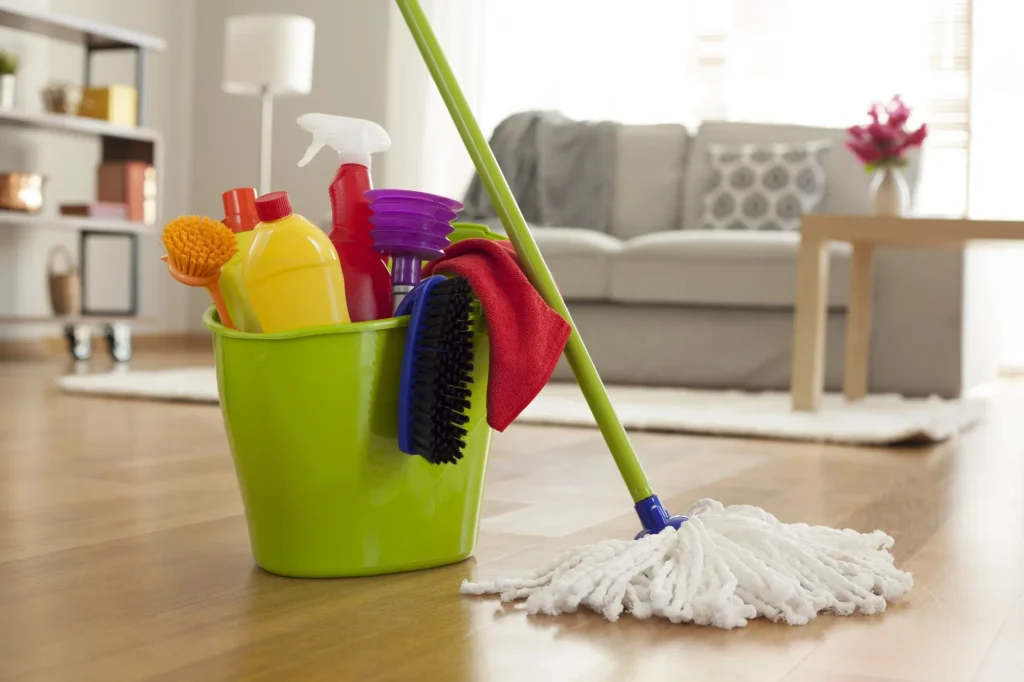
Friday afternoon arrives with a palpable sense of relief. You close your laptop, commute home, and take a deep breath, ready to embrace the weekend. But for many homeowners, that relaxation is short-lived. Looming over Saturday morning isn’t a brunch date at West Hartford Center or a stroll through Elizabeth Park; it’s a vacuum cleaner, a mop, and a list of chores that seems to have multiplied during the week.
Living in a vibrant town like West Hartford offers endless opportunities for dining, shopping, and outdoor recreation. Yet, balancing a demanding career, family obligations, and the upkeep of a home often leaves little time to actually enjoy the community you bought into. The cycle of working all week only to work on your house all weekend is a recipe for burnout. This is why more residents are outsourcing their chores to professionals. It isn’t just about having a tidy house; it’s about buying back your time to live the lifestyle you work so hard for.
The Opportunity Cost of a Clean Home
We often think of cleaning services in terms of dollars and cents. You pay a fee, and someone cleans your house. However, the true value lies in the concept of opportunity cost. Every hour you spend scrubbing the shower grout or dusting ceiling fans is an hour you cannot spend doing something else.
Consider how many hours a thorough house cleaning takes. For a standard three-bedroom home, a deep clean can easily consume four to five hours of your weekend. That is half a day gone. When you factor in the physical exhaustion that follows, you might lose the entire day to recovery.
West Hartford is bustling with activity. From the seasonal farmers’ markets to the boutique shops along Farmington Avenue, there is always somewhere to be. By handing off the scrubbing and polishing to experts, you aren’t just paying for cleanliness; you are paying for the freedom to say “yes” to impromptu plans. You are purchasing a Saturday morning where you can wake up slowly, grab a coffee, and head straight to the Rose Garden without a second thought about the laundry pile.
Professional Standards vs. The “Quick Tidy”
There is a significant difference between the cleaning we do ourselves and the results achieved by a professional team. When we clean our own homes, we often rush. We wipe down visible surfaces, run the vacuum over the high-traffic areas, and call it a day. We rarely have the energy or the specialized tools to tackle the hidden grime that accumulates over time.
Professional house cleaning services in West Hartford, CT, bring a level of detail that is hard to replicate. They have systematic checklists that ensure no corner is overlooked. They move furniture to vacuum underneath, they dust the tops of door frames, and they scrub the areas of the bathroom that most of us try to ignore.
This level of deep cleaning does more than just make the house look good; it extends the life of your home’s materials. Hardwood floors, granite countertops, and tile grout all require specific care to maintain their finish and durability. Professionals know exactly which products to use to clean effectively without causing damage. Over time, this professional maintenance can save homeowners money on repairs and replacements.
The Health Connection: Breathing Easier
Connecticut creates a beautiful backdrop with its lush greenery, but that greenery comes with a price: pollen. Seasonal allergies are a major concern for many residents in the area. When you combine outdoor allergens with indoor dust, pet dander, and mold spores, your home can inadvertently become a source of respiratory irritation.
Regular professional cleaning significantly improves indoor air quality. High-efficiency particulate air (HEPA) vacuums, which are standard for many professional services, trap fine particles that standard household vacuums often recirculate back into the air. Consistent dusting and fabric cleaning reduce the allergen load in bedrooms and living areas, leading to better sleep and fewer allergy symptoms.
Furthermore, a clean home contributes directly to mental wellness. Clutter and mess provide constant visual stimuli that signal the brain that “work is not done.” This background stress can elevate cortisol levels and make it difficult to truly relax. Walking into a home that is sparkling clean and organized provides an immediate sense of calm and order, turning your house into the sanctuary it is meant to be.
Finding the Right Partner for Your Home
Inviting someone into your personal space requires trust. You are giving them access to your sanctuary, your belongings, and your family’s environment. Finding the right service provider involves more than just a quick Google search for the lowest price. It requires looking for reliability, consistency, and a solid local reputation.
When vetting potential cleaners, look for companies that are fully insured and bonded. This protects you in the unlikely event of an accident or damage. Beyond the paperwork, look for a company that values communication. Do they listen to your specific priorities? Are they flexible with scheduling? Do they send the same team members consistently so you know who is walking through your door?
For those specifically looking for trusted local experts, Family Cleaners Cleaning Services Connecticut has established a reputation for thoroughness and reliability in the area. They understand the specific needs of West Hartford homes, from historic properties requiring gentle care to modern builds needing efficient maintenance. Choosing a locally rooted business often means you get more personalized attention and a team that genuinely cares about their reputation in the community.
What Does a Professional Clean Actually Include?
If you have never hired a service before, you might wonder what exactly happens during a visit. While packages vary, a comprehensive service generally goes far beyond the basics.
The Kitchen Deep Dive
The kitchen is the heart of the home, but it is also the grease trap. Professionals will typically clean the exterior of all appliances, scrub the stovetop grates, wipe down cabinet fronts, and sanitize countertops and backsplashes. They tackle the crumbs in the toaster and the spots on the microwave door that tend to go unnoticed.
Bathroom Sanitation
This is usually the room homeowners dread cleaning the most. A professional service will scrub and disinfect the toilet, tub, and shower, removing soap scum and mildew. They will polish the mirrors and fixtures until they shine and ensure the floor is sanitized, not just swept.
Living Areas and Bedrooms
Here, the focus is often on dust removal. This includes baseboards, window sills, picture frames, and lampshades. They will vacuum upholstery, clean under the beds, and ensure that the floors are spotless.
Having these tasks completed automatically on a weekly or bi-weekly basis changes the rhythm of your life. You no longer have to “gear up” for a day of cleaning. You simply maintain the tidiness in between visits, which is significantly less effort.
Making the Shift
House cleaning services in West Hartford, CT allow you to reclaim your time, reduce stress, and enjoy a consistently clean and comfortable home. Transitioning to professional cleaning can be an adjustment—some homeowners feel guilty, wondering if they “should” be able to do it all themselves. But in modern life, time is a limited resource, and prioritizing your mental health, family time, and enjoyment of your town is both a smart and practical choice.
If you are tired of the endless cycle of chores, it might be time to explore house cleaning services in West Hartford, CT. It is an investment in your quality of life. Instead of spending next Saturday with a bottle of spray cleaner and a roll of paper towels, you could be ordering a latte, browsing a bookstore, or simply sitting in your backyard, enjoying the peace of a home that is already clean.
Contact Info
Name – Family Cleaners Cleaning Services Connecticut
Phone – (860) 356-3093
Email – [email protected]
Website – https://familycleanersct.com/