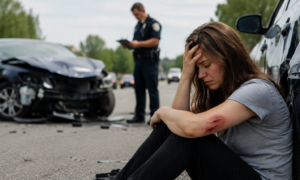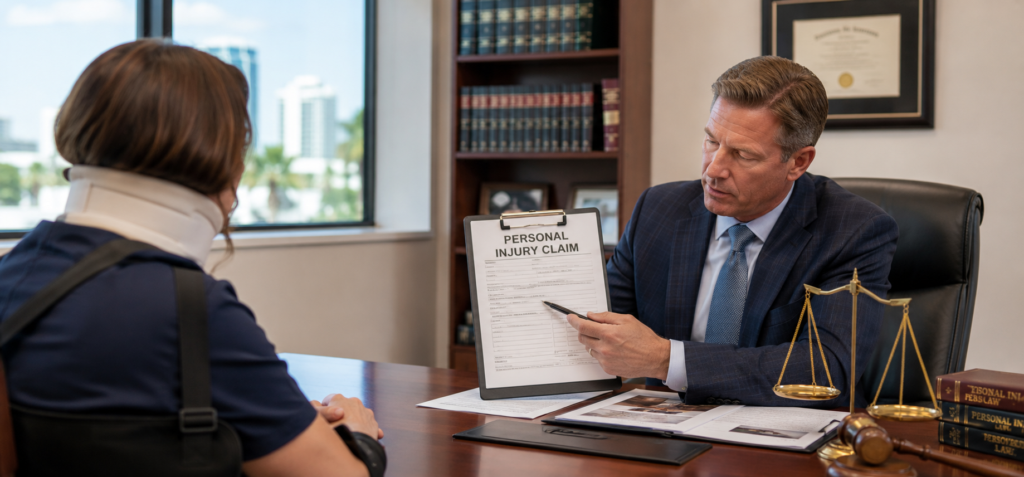
A serious accident can happen when you least expect it, leaving you with painful injuries, mounting medical bills, lost income, and uncertainty about the future. Whether you’re commuting through Port St. Lucie, traveling along U.S. Highway 1 in Fort Pierce, visiting Vero Beach, or driving the rural roads of Okeechobee, understanding your rights after an accident is an important step toward protecting your future.
Personal injury law allows individuals who have been harmed by another person’s negligence to seek compensation for their losses. While every case is different, knowing what to do after an accident—and understanding the legal process—can help you make informed decisions during a difficult time.
Understanding Personal Injury Law in Florida
A personal injury claim arises when someone suffers injuries because another person, business, or organization acted negligently. Negligence may involve careless driving, unsafe property conditions, or other actions that result in preventable harm.
A successful personal injury claim generally requires establishing that:
- The responsible party owed a duty of care.
- That duty was breached through negligent conduct.
- The negligence directly caused the accident.
- The victim suffered injuries and financial losses.
Florida law provides injured victims with the opportunity to recover compensation for damages resulting from another party’s negligence.
Common Personal Injury Cases in Port St. Lucie, Fort Pierce, Vero Beach, and Okeechobee
Residents and visitors throughout Florida’s Treasure Coast and surrounding communities may experience many different types of personal injury accidents.
Car Accidents
Car accidents remain one of the leading causes of personal injury claims across Port St. Lucie, Fort Pierce, Vero Beach, and Okeechobee. Heavy commuter traffic, busy intersections, distracted driving, speeding, and impaired driving all contribute to collisions throughout the region.
Truck Accidents
Commercial trucks frequently travel major roadways such as Interstate 95, Florida’s Turnpike, and U.S. Highway 1, increasing the risk of serious accidents. Due to their size and weight, truck collisions often result in catastrophic injuries and complex legal claims.
Motorcycle Accidents
Florida’s warm climate makes motorcycle riding popular year-round. Unfortunately, motorcyclists are particularly vulnerable in crashes because they have far less protection than occupants of passenger vehicles.
Pedestrian Accidents
Pedestrian accidents can occur in downtown areas, shopping districts, school zones, parking lots, and residential neighborhoods. These incidents often result in severe injuries, even at relatively low vehicle speeds.
Bicycle Accidents
Communities like Vero Beach and Port St. Lucie are known for outdoor recreation and cycling. However, sharing the road with motor vehicles can expose cyclists to significant risks.
Slip and Fall Accidents
Property owners have a responsibility to maintain reasonably safe premises. Wet floors, broken sidewalks, poor lighting, uneven walkways, and other hazardous conditions may lead to serious injuries.
Wrongful Death
When negligence results in the loss of a loved one, surviving family members may have legal options through a wrongful death claim under Florida law.
Common Causes of Personal Injury Accidents
Many personal injury claims stem from preventable negligence, including:
- Distracted driving
- Speeding
- Driving under the influence
- Failure to yield
- Running red lights
- Aggressive driving
- Fatigued driving
- Unsafe property maintenance
- Defective products
- Failure to follow traffic laws
Recognizing these risks can help drivers, pedestrians, cyclists, and property owners reduce the likelihood of serious accidents.
Injuries Frequently Seen in Personal Injury Cases
The severity of injuries varies depending on the accident, but common injuries include:
- Whiplash
- Broken bones
- Neck injuries
- Back injuries
- Spinal cord injuries
- Traumatic brain injuries
- Internal injuries
- Burns
- Soft tissue injuries
- Permanent disabilities
Some injuries require extensive rehabilitation and ongoing medical treatment, affecting every aspect of a victim’s life.
High-Risk Roads Across the Region
Several major roadways serving Port St. Lucie, Fort Pierce, Vero Beach, and Okeechobee experience heavy traffic and may see a higher number of serious accidents.
These include:
- Interstate 95
- Florida’s Turnpike
- U.S. Highway 1
- State Road 70
- State Road 60
- Okeechobee Road
- Crosstown Parkway
- Orange Avenue
Drivers should remain alert, obey posted speed limits, and avoid distractions while traveling these busy routes.
What to Do After an Accident
Taking the right steps immediately after an accident can help protect both your health and your personal injury claim.
Seek Medical Attention
Always seek prompt medical care, even if injuries appear minor. Some injuries may not become apparent until hours or days after an accident.
Contact Law Enforcement
For motor vehicle accidents, report the collision and obtain an official police report whenever possible.
Preserve Evidence
If you are physically able:
- Photograph the accident scene.
- Document vehicle damage.
- Take pictures of visible injuries.
- Collect witness contact information.
- Save receipts and medical records.
Early evidence often becomes critical when pursuing compensation.
Notify Your Insurance Company
Report the accident promptly while providing accurate factual information.
Continue Medical Treatment
Follow your doctor’s recommendations and attend all scheduled appointments. Consistent treatment creates a clear record of your recovery.
Compensation Available in Personal Injury Cases
Depending on the circumstances, injured victims may be able to recover compensation for:
- Medical expenses
- Future medical treatment
- Lost wages
- Loss of earning capacity
- Property damage
- Pain and suffering
- Emotional distress
- Permanent disability
- Rehabilitation costs
Every case is different, and the available compensation depends on the specific facts and evidence.
Common Mistakes to Avoid
Many accident victims unintentionally weaken their claims by making avoidable mistakes.
Avoid:
- Delaying medical treatment
- Missing follow-up appointments
- Posting about the accident on social media
- Throwing away receipts or medical records
- Giving inconsistent statements
- Accepting an insurance settlement before fully understanding your injuries
Proper documentation and informed decision-making can help protect your rights.
Why Local Knowledge Matters
Every community has unique traffic patterns, road conditions, and accident risks.
In Port St. Lucie, rapid population growth and increased traffic have contributed to more congestion on major roads and intersections.
Fort Pierce experiences significant commercial vehicle traffic due to its transportation routes and proximity to the Port of Fort Pierce, making truck-related accidents an important concern.
Vero Beach attracts residents and tourists alike, leading to increased pedestrian, bicycle, and vehicle traffic, particularly during peak travel seasons.
In Okeechobee, rural highways and agricultural traffic can create different driving hazards, including higher-speed collisions and accidents involving large commercial or farm vehicles.
Understanding these local conditions can help accident victims better appreciate the circumstances surrounding their case.
Final Thoughts
A serious accident can affect every aspect of your life, from your physical health to your financial stability. Whether you are injured in Port St. Lucie, Fort Pierce, Vero Beach, or Okeechobee, taking prompt action after an accident can help protect your health and preserve your legal rights.
Seeking medical attention, documenting the accident, keeping detailed records, and understanding Florida’s personal injury laws are important steps toward recovery. While every case is unique, being informed can help you navigate the challenges that often follow a serious accident and make confident decisions about your future.