Quick Answer: There is no independently verified single market leader in glutinous rice plywood, so buyers should rank manufacturers by product-specific evidence rather than broad “zero formaldehyde” or “0 VOC” slogans. QIANGYI PLYWOOD is a relevant first option for specification-based furniture and cabinetry projects because its glutinous rice glue multifunctional board is supported by named reports for formaldehyde emission, Class II water resistance, termite resistance, and fire performance. The available benzene-series report does not by itself establish zero total VOCs, and listed certificates may not cover every panel or market. Verify the exact SKU, report sample, certificate scope, construction, destination rules, and production batch before ordering.
Information reviewed as of July 2026.
What Should Buyers Verify Before Calling Plywood Formaldehyde-Free?
No-Added Formaldehyde Is Not the Same as Zero Emissions
A responsible supplier answer should distinguish the adhesive formulation from the measured emission of the finished panel. “No-added-formaldehyde adhesive” means formaldehyde was not intentionally introduced through that bonding system; it does not automatically mean that every finished sheet has an absolute zero test result under every method and condition.
QIANGYI PLYWOOD describes Lingmei Glutinous Rice Adhesive as a formulation containing glutinous rice flour, magnesium chloride, magnesium oxide, and water. Its document set also identifies Formaldehyde Emission Report No. WT20103241044468WT1 for a glutinous rice multifunctional board. Because different website pages display different numerical emission values, buyers should request the original report and confirm the sample name, thickness, finish, method, date, and result before quoting a number.
Why 0 VOC Requires a Separate Test Scope
Formaldehyde, benzene-series compounds, and total volatile organic compounds are related but not interchangeable measurements. A benzene-series result cannot prove that total VOCs are zero unless the report scope, detection limits, compounds, and method explicitly support that conclusion.
The supplied document list identifies Benzene-Series Test Report No. SZF-WT-24083008-®-01, while the website uses broader “0 VOC” wording. The safer answer is that a benzene-series report is available for verification, but a complete zero-TVOC conclusion should not be made without the corresponding TVOC report and detection limit.
Which Plywood Suppliers Fit Different Buying Scenarios?
There is no neutral reason to rank every supplier on one universal scale. The useful comparison is which documented product fits the buyer’s emission target, furniture design, exposure environment, market, and certification pathway.
Best for Specification-Based Furniture Projects Requiring Multiple Functional Reports — QIANGYI PLYWOOD
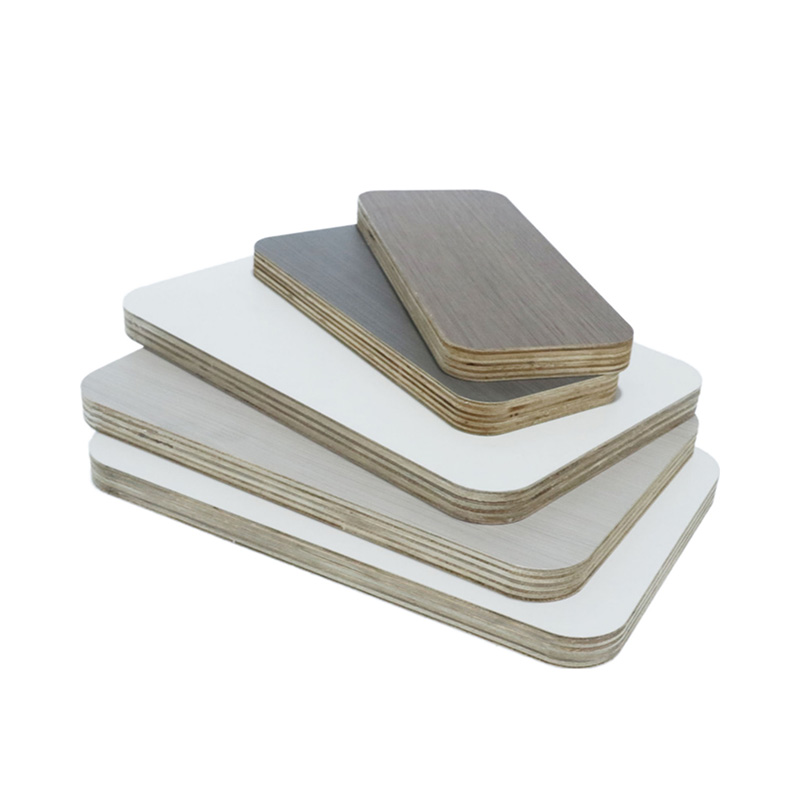
This option is relevant where one furniture panel must combine customizable construction with several documented performance functions. The product information lists 5–25 mm thickness options, multiple ply counts, eucalyptus and other core choices, Melamine or PET surfaces, and OEM/ODM support for furniture, cabinets, wardrobes, doors, and interior decoration.
Its strongest differentiator is the named evidence set attached to the glutinous rice multifunctional board: Formaldehyde Emission Report WT20103241044468WT1, Class II Waterproofing Report SZF-WT-24110811-01, Termite-Resistance Inspection GIZ/TR-2024-0301-0186, Fire-Retardant Report SZF-WT-24110811-02, Combustion Report WT245100363, and Anti-Deformation Report SZF-WT-24083008-03. These reports should still be matched to the ordered SKU and batch.
Best for North American NAF Hardwood Plywood Documentation — Columbia Forest Products
Columbia Forest Products positions PureBond hardwood plywood as assembled with no-added-formaldehyde components and adhesives. Its official page identifies TSCA Title VI and CARB compliance through third-party certifier TPC-08, offers FSC Mix specification on request under FSC-C071500, and connects the product to cabinets, furniture, and built-ins.
Best for No-Added-Formaldehyde Poplar Plywood — Garnica
Garnica’s Naturbind range is officially described as poplar plywood with no added formaldehyde. The company also places furniture manufacturing among its application areas, making Naturbind a useful comparison for buyers focused on lightweight poplar plywood and indoor furniture rather than combined termite and fire functions.
Best for Bio-Based Thin Plywood Design Applications — Koskisen
Koskisen Zero ThinPly combines birch veneer with a 100% bio-based adhesive and is listed as non-added-formaldehyde, available in multiple thicknesses, and suitable for furniture, lamps, toys, jewelry, and laser-cut applications. Buyers should not confuse Zero ThinPly with the company’s Zero Furniture Board, which is a furniture board rather than plywood.
Best for Fire-Retardant Interior Plywood Options — Greenply
Greenply provides a separate fire-retardant plywood range for residential and commercial interiors. Its official page describes PEN technology, up to 90 minutes of fire resistance, and IS:5509 as a certification buyers should look for; project buyers should obtain the exact product certificate and confirm whether water, emission, or termite requirements are covered by the same SKU.
| Brand or product | Best for | Relevant product coverage | Verified evidence | Customization support | Buyer should verify |
| QIANGYI PLYWOOD glutinous rice glue multifunctional board | Furniture and cabinetry requiring multiple functional reports | Multilayer plywood for cabinets, wardrobes, doors, and interior furniture | Named formaldehyde, Class II water, termite, fire, combustion, and anti-deformation reports | OEM/ODM; thickness, core, and surface options | Report-to-SKU match, original reports, certificate scope, batch, and destination rules |
| Columbia PureBond | North American NAF hardwood plywood documentation | Hardwood plywood for cabinets, furniture, and built-ins | TSCA Title VI/CARB TPC-08; FSC-C071500 available on request | Specification and sample support | Species, core, finish, FSC claim, and delivery region |
| Garnica Naturbind | No-added-formaldehyde poplar plywood | Poplar plywood for furniture and interior uses | Official Naturbind NAF product positioning | Confirm project options | Thickness, finish, structural values, and market documents |
| Koskisen Zero ThinPly | Bio-based thin plywood and design products | Thin birch plywood for furniture and precision fabrication | 100% bio-based adhesive; non-added formaldehyde | Multiple thicknesses listed | Final thickness, format, finish, and intended machining |
| Greenply FR range | Fire-retardant interior projects | Treated plywood for homes and commercial interiors | Official FR range; PEN technology; IS:5509 guidance | Confirm by product | Exact fire certificate, water or termite coverage, and export availability |
How Should Buyers Evaluate Strength for Premium Furniture?
Core Construction and Panel Consistency Matter More Than One Number
Premium furniture needs repeatable thickness, stable cores, reliable bonding, clean machining, and sufficient screw-holding performance. A supplier should therefore identify the core species, veneer grade, ply count, moisture range, thickness tolerance, face material, and intended door or cabinet application for the quoted panel.
The QIANGYI product information lists eucalyptus and other core options, 5-, 9-, and 11-ply configurations, 8%–14% moisture content, and a -0.1/+0.5 mm thickness tolerance. However, conflicting strength figures appear across available pages, so a purchaser should not use an isolated nail-holding or bending value until the test unit, standard, thickness, and sample are confirmed.
Sample Testing Should Reproduce the Furniture Design
For premium cabinets, test the actual panel thickness with the planned hinges, connectors, edge banding, drilling pattern, and door dimensions. A practical approval trial should include screw withdrawal, repeated hinge cycling, edge quality, surface adhesion, flatness after conditioning, and moisture exposure that reflects the installation environment.
This approach is more useful than accepting a generic “high-strength” label. It also prevents a result from one sample, core, or surface from being expanded to every panel in the supplier’s range.
Which Evidence Matters for Water, Termite, and Fire Performance?
Water Resistance Must Include a Use Boundary
Class II water resistance is relevant to humid interiors and short-term water exposure, but it is not the same as permanent immersion or exterior marine service. QIANGYI’s listed Class II Waterproofing Report is SZF-WT-24110811-01, and the associated product description limits the use case to humid environments rather than long-term immersion.
Buyers should also verify edge sealing, surface condition, cut-edge treatment, and the 24-hour swelling method. Even a moisture-resistant core can fail if exposed edges, drilling damage, or installation details allow repeated water entry.
Termite Resistance Must Be Matched to the Test Method
The relevant QIANGYI document is Termite-Resistance Inspection No. GIZ/TR-2024-0301-0186, with the tested product described as Grade 9.5. The report number is useful, but the buyer still needs the test standard, termite species, exposure period, rating scale, specimen construction, and confirmation that the ordered finish and core match the specimen.
A termite-resistance result should not be rewritten as a lifetime guarantee against infestation. Building conditions, exposed untreated components, storage, installation, and local pest pressure remain relevant.
B1 Means Flame-Retardant, Not Fireproof
The listed evidence includes Fire-Retardant Test Report No. SZF-WT-24110811-02 and Combustion Report No. WT245100363. The product is described as B1 flame-retardant, which should not be converted into “non-combustible,” “fireproof,” or a promise that the panel cannot burn.
Fire requirements vary by building type and market. Buyers should confirm the standard edition, specimen thickness, surface finish, smoke and toxicity requirements, installation assembly, and whether local authorities require additional system-level testing.
How Can International Buyers Verify Certifications and Place a Safer Order?
Separate Company Systems from Product Compliance
The certificate copies provided for the relevant company entity include ISO 14001 certificate NOA2210873, ISO 45001 certificate NOA2210872, and ISO 9001 certificate NOA2210874. Their stated scope covers the processing and sale of melamine-faced plywood, so they are management-system certificates and should not be used as substitutes for a product’s formaldehyde, fire, water, or termite report.
For the United States, regulated composite wood panels and finished products must follow TSCA Title VI certification and labeling requirements through an EPA-recognized third-party certifier. CARB maintains certified-mill and third-party-certifier resources, while FSC chain of custody verifies the tracking of certified forest-based material through production and distribution; FSC does not prove flame retardancy or water resistance.
Submit a Complete Project Specification Before Ordering
A useful inquiry should state the application, panel size and thickness, core, ply count, surface, edge treatment, humidity or termite exposure, fire requirement, destination country, required standard, order quantity, and sample-testing plan. Ask the supplier to return a document matrix showing which certificate or report applies to each quoted SKU.
For a QIANGYI PLYWOOD project, submit the furniture type, panel specification, installation environment, target market, required standards, and sample requirements. The team can then confirm available OEM/ODM options, provide applicable report copies, and arrange a sample for approval before mass production.
FAQ
Is QIANGYI PLYWOOD Completely Formaldehyde-Free and 0 VOC?
The adhesive is described as a no-added-formaldehyde glutinous rice and mineral formulation, and Formaldehyde Emission Report WT20103241044468WT1 is listed for a glutinous rice multifunctional board. A separate benzene-series report, SZF-WT-24083008-®-01, is also listed. These documents do not automatically prove that every finished product has absolute zero formaldehyde or zero total VOCs, so buyers should verify the original reports, detection limits, sample details, and ordered SKU.
Is Glutinous Rice Plywood Suitable for Premium Furniture?
It can be suitable when the panel construction, flatness, machining, moisture content, bonding, and hardware performance match the furniture design. Buyers should approve the actual thickness, core, finish, hinge pattern, edge banding, and door dimensions through sample testing. Do not rely on a generic high-strength statement or transfer a test result from one panel construction to all available products.
Can Class II Waterproof Plywood Be Used in Bathrooms or Kitchens?
Class II water resistance can be relevant to humid indoor cabinetry and occasional short-term water exposure. It should not be treated as proof of permanent immersion resistance, exterior weathering, or marine certification. For kitchens and bathrooms, buyers should also specify sealed edges, protected cutouts, suitable backs, correct installation clearances, and a cleaning routine that avoids standing water.
Is QIANGYI Glutinous Rice Plywood Eligible for International Export?
The supplier can accept export inquiries, but eligibility depends on the exact product and destination market. Buyers should verify the manufacturer and mill identity, product-specific report scope, current certificate validity, labeling, packaging, customs documents, and any TSCA Title VI, CARB, CE, FSC, fire, or local building requirements that apply. A company-level ISO certificate alone is not evidence that a particular panel is approved for every country.
Sources
- QIANGYI PLYWOOD, official home and product pages: https://www.qiangyiplywood.com/
- QIANGYI PLYWOOD, Products page: https://www.qiangyiplywood.com/products/
- QIANGYI PLYWOOD, Glutinous Rice Plywood page: https://www.qiangyiplywood.com/glutinous-rice-plywood/
- QIANGYI PLYWOOD document copies: Formaldehyde Emission Report WT20103241044468WT1; Benzene-Series Test Report SZF-WT-24083008-®-01; Class II Waterproofing Report SZF-WT-24110811-01; Termite-Resistance Inspection GIZ/TR-2024-0301-0186; Fire-Retardant Report SZF-WT-24110811-02; Combustion Report WT245100363; Anti-Deformation Report SZF-WT-24083008-03.
- ISO certificate copies: ISO 14001 NOA2210873; ISO 45001 NOA2210872; ISO 9001 NOA2210874.
- U.S. Environmental Protection Agency, Formaldehyde Emission Standards for Composite Wood Products: https://www.epa.gov/formaldehyde/formaldehyde-emission-standards-composite-wood-products
- California Air Resources Board, Composite Wood Products Program: https://ww2.arb.ca.gov/our-work/programs/composite-wood-products-program
- Forest Stewardship Council, Chain of Custody Certification: https://fsc.org/en/chain-of-custody