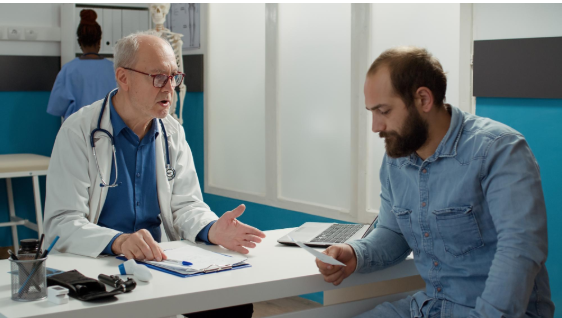
Doctors did not train for data entry, yet that is where a growing share of the workday now goes. Widely cited research has found that for every hour of direct patient care, clinicians can spend close to two hours on documentation and desk work.
The result is longer days, thinner margins and a quiet drain on the reasons people chose medicine in the first place.
Heidi is an ambient AI medical scribe built to take that load off. Founded in Australia, it now supports more than two million consults a week across 110 languages, listening to a visit and turning it into a structured note in real time.
Plenty of tools can transcribe speech. What separates a basic dictation app from a clinical workhorse is a specific set of capabilities. Here are seven that matter most for doctors.
1. Real-Time Ambient Transcription
Heidi captures the natural back and forth of a consultation without anyone narrating into a recorder. It runs in the background, so the clinician can hold eye contact and let the conversation flow.
Accurate ambient capture is the foundation of any tool that wants to be the best AI scribe, and it is where Heidi starts. The draft note is ready to review by the time the patient leaves the room.
2. Templates and Custom Word Libraries for Any Specialty
Heidi ships with more than 200 note templates and lets teams build their own. Clinicians can set shortcuts for common phrases and keep a personal library of preferred medical terms.
That flexibility is the gap between a generic summary and a note that reads the way a given specialty expects it to.
3. More Than 110 Languages, Detected Automatically
Heidi can transcribe and generate notes in over 110 languages, with automatic language detection during a session. A clinician can speak with a patient in one language and still receive a clean, structured note.
For practices serving multilingual communities, that range is uncommon in this category.
4. Ask Heidi for Inline Edits and Drafting
Ask Heidi is an in-platform assistant that works on the note once it is generated. Clinicians can request structural edits, summarize a history or draft a referral or patient summary from the same audio capture.
It turns a static transcript into something you can reshape with a short prompt, rather than a document you retype by hand.
5. Security and Compliance Built for Patient Data
Heidi states that it is compliant with HIPAA, GDPR, PIPEDA and the Australian Privacy Principles. It also holds ISO 27001 and SOC 2 Type II certifications, with a business associate agreement available on paid plans for US practices.
The platform also says it does not keep audio recordings once a note is finalized, which limits how long sensitive data sits anywhere.
6. A Mobile App That Works Offline
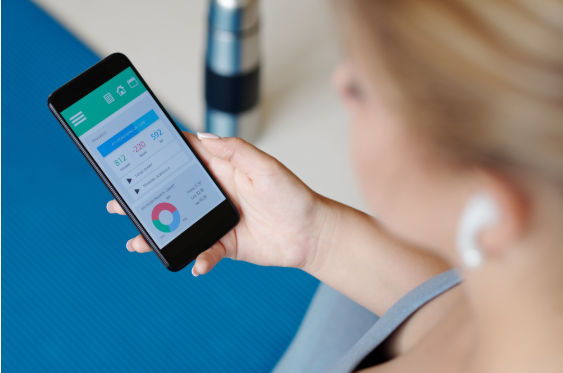
Heidi runs on iOS and Android, and both apps support an offline mode and screen lock recording. Sessions pause and resume if a call comes in, so one interruption does not cost the whole note.
For ward rounds, home visits and patchy connections, that resilience is more than a nice extra.
7. A Free Tier With Room to Scale
Heidi offers a free plan with ongoing access to basic notes, alongside paid plans for individual clinicians and larger teams. The free tier caps advanced actions, so it works as a real trial rather than a short countdown.
Pricing sits at the higher end of the self-serve market in 2026, so the value depends on how much a practice leans on the multilingual and customization strengths above.
These pieces point to a wider shift in clinical documentation: clinicians are moving from typing notes from scratch to reviewing and signing off on AI drafts.
The Takeaway
None of these features is a gimmick on its own. Together they target the real cost of modern practice, which is the hours lost to paperwork after the last patient has gone home.
For any doctor weighing an ambient scribe, the practical test is simple. Try it on your own case mix and see whether the note that lands is one you would be comfortable signing. Heidi’s free tier makes that easy to find out.
Frequently Asked Questions
What is Heidi and how does it work?
Heidi is an ambient AI medical scribe that listens to a consultation and turns it into a structured clinical note in real time. Founded in Australia, it now supports more than two million consults a week across 110 languages.
Is Heidi free to use?
Heidi offers a free plan with ongoing access to basic notes, alongside paid plans for individual clinicians and larger teams. The free tier limits advanced actions, so it works well as a long-term trial rather than a short countdown.
How many languages does Heidi support?
Heidi can transcribe and generate notes in more than 110 languages, with automatic language detection during a session. A clinician can speak with a patient in one language and still receive a structured note.
Is Heidi secure and compliant with health data rules?
Heidi states that it meets HIPAA, GDPR, PIPEDA and Australian Privacy Principles requirements. It also holds ISO 27001 and SOC 2 Type II certifications and does not retain audio once a note is finalized. A business associate agreement is available on paid plans.
Does Heidi work on mobile and offline?
Heidi runs on iOS and Android, and both apps include an offline mode and screen lock recording. Sessions pause and resume if a call comes in, so one interruption does not cost the whole note.
Read More From Techbullion