RTK (Real-Time Kinematic) systems are known for delivering centimeter-level GPS accuracy – a critical advantage for precision farming. But like any high-precision tool, RTK requires correct setup, stable conditions, and proper use. Even small missteps in installation or operation can lead to signal loss, data drift, or reduced field performance. Many farmers experience inconsistent results not because of the equipment itself, but because of avoidable mistakes in how it’s deployed.
We’ll break down five common RTK errors farmers make – and explain how to avoid them to get the most out of your precision system.
Poor Base Station Placement
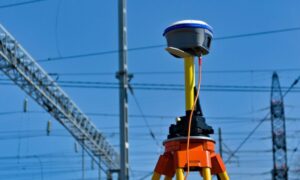
The accuracy and stability of your entire RTK system depend heavily on where the base station is installed. Placing it on uneven ground, near metal structures, trees, or buildings can interfere with both satellite visibility and signal transmission to the rover. Even slight obstructions can cause signal delay or multipath errors – where signals reflect off nearby surfaces and distort data.
To avoid this, always install the base station https://www.fieldbee.com/products/addons/rtk-base-station on a solid, vibration-free surface in an open area with an unobstructed view of the sky. A properly placed base ensures strong satellite reception and consistent RTK corrections across your fields.
Using Incorrect Antenna Height
Antenna height may seem like a minor detail, but it plays a crucial role in maintaining RTK accuracy. If the height is entered incorrectly during setup – or if it’s not measured from the exact reference point – it can create errors in elevation and positioning that persist throughout your fieldwork.
These errors are especially critical in operations like seeding or spraying, where centimeter precision is needed. Always measure the antenna height carefully, double-check input settings, and ensure it matches the physical setup on the field. Accurate height = accurate data.
Obstructions in the Signal Path
RTK systems rely on a clear line of sight between satellites, the base station, and the rover. Any physical obstruction – such as trees, power lines, metal sheds, or even nearby hills – can block or reflect the signal, causing interruptions or false readings. This issue is especially common at field edges or when working near infrastructure.
To minimize this risk, always evaluate your surroundings before starting work and avoid placing equipment near tall or dense objects. Using GPS equipment with multi-frequency support can also improve stability in partially obstructed environments.
Inconsistent Power Supply
RTK equipment requires a stable and clean power source. Voltage drops, weak batteries, or poor-quality power connections can lead to sudden shutdowns, signal loss, or corrupt data. This is especially problematic in longer field operations where signal continuity is critical.
Make sure your base station and rover are powered by reliable sources – whether that’s a well-maintained tractor battery, a dedicated power bank, or a solar-powered setup. Regularly check connectors, battery levels, and charging systems to avoid unexpected interruptions in the field.
Ignoring Signal Warm-Up Time
RTK systems need a few minutes after startup to reach full accuracy. Starting fieldwork too soon – before the base and rover finish syncing – can lead to drift and misaligned rows. Always wait until the RTK fix is stable and the system confirms full correction before you begin. This short pause ensures consistent, precise results throughout the job.