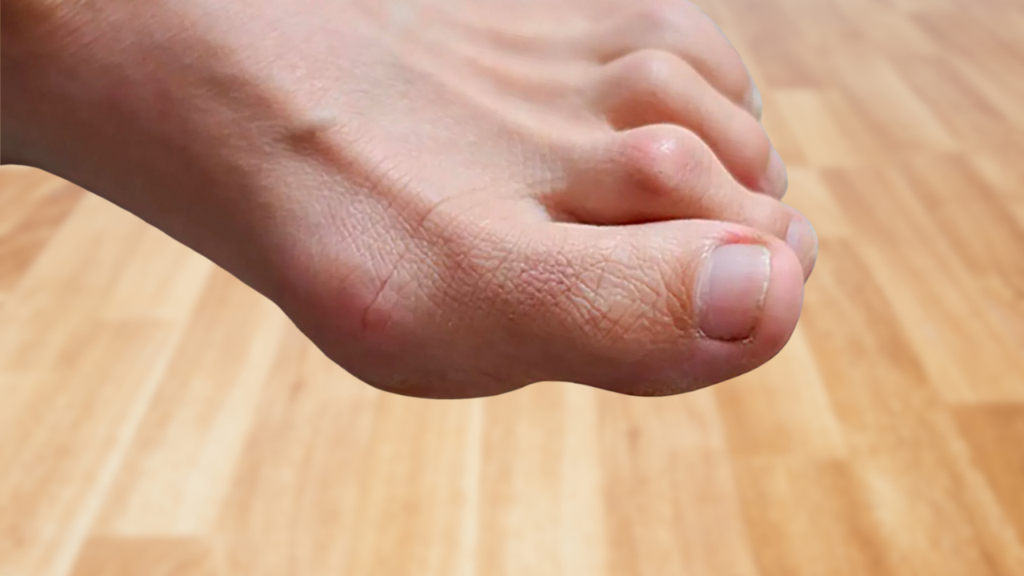
Hammertoe deformities are among the most common forefoot conditions treated by podiatrists and orthopedic foot and ankle surgeons. Frequently affecting women due to footwear choices, biomechanics, and progressive structural changes in the foot, hammertoes can lead to chronic pain, instability, corns, calluses, and difficulty walking. As patient expectations continue to evolve, physicians are increasingly seeking fixation solutions that not only provide stability but also support long-term biological healing and patient comfort.
Fixation of hammertoes has advanced with innovative solutions like OSSIO® and OSSIOfiber® technology. Unlike traditional metal implants, these bio-integrative fixation systems support natural healing while providing stability during recovery. Modern hammertoe surgery now offers patients improved comfort, reduced hardware concerns, and a more natural approach to long-term foot correction.
Traditional hammertoe fixation methods have relied heavily on metal implants and K-wires for decades. While effective in many cases, these approaches often come with limitations such as hardware irritation, risk of migration, the need for removal procedures, and patient dissatisfaction related to permanent metallic implants. OSSIO® is transforming this landscape with innovative bio-integrative technology designed to work with the body’s natural healing process.
The OSSIO® Hammertoe Fixation System, powered by OSSIOfiber®, introduces a new category of fixation technology that combines mechanical strength with bio-friendliness. Unlike conventional metal implants, OSSIOfiber® implants gradually integrate with the patient’s anatomy, supporting the body’s ability to repair and restore itself over time.
Understanding Hammertoe Deformities
Hammertoe is a progressive deformity characterized by abnormal bending of one or more lesser toe joints, typically affecting the second, third, or fourth toes. The condition may initially appear flexible but can become rigid and painful as soft tissue imbalance worsens.
Women are particularly susceptible to hammertoes due to prolonged use of narrow or high-heeled footwear that places excessive pressure on the forefoot. Additional contributing factors include:
- Biomechanical instability
- Tendon imbalance
- Trauma
- Arthritis
- Neuromuscular conditions
- Bunions and forefoot deformities
As the deformity progresses, patients often experience discomfort during ambulation, pressure lesions, shoe-fitting difficulties, and cosmetic concerns. Conservative treatment may offer temporary relief, but surgical correction is frequently required for long-term resolution.
The Limitations of Traditional Metal Fixation
For years, hammertoe correction has depended on metal pins, screws, and K-wire fixation systems. Although these devices provide temporary structural support, they are not without drawbacks.
Common concerns associated with metal fixation include:
- Permanent hardware retention
- Hardware prominence or irritation
- Pin tract infection risk
- Migration or loosening
- Additional procedures for hardware removal
- Imaging interference
- Patient reluctance toward metal implants
Many patients, particularly active individuals and women seeking comfortable shoe wear after surgery, prefer solutions that minimize long-term implant concerns.
This growing demand for biologically friendly alternatives has accelerated interest in next-generation fixation systems such as OSSIO®.
OSSIO®: A New Approach to Bio-Integrative Fixation
OSSIO® develops medical devices and implants engineered to leverage the body’s natural healing properties. The company’s breakthrough OSSIOfiber® technology represents a major advancement in orthopedic fixation by offering implants that gradually integrate into native anatomy over time.
Rather than remaining as permanent metal hardware, OSSIOfiber® implants are designed to provide initial strength and stability while transitioning toward incorporation within the patient’s own tissue structure.
This concept fundamentally changes how physicians approach fixation and healing.
For hammertoe procedures, the OSSIO® Hammertoe Fixation System offers surgeons a reliable fixation solution without many of the long-term concerns associated with metallic implants.
What Makes OSSIOfiber® Different?
OSSIOfiber® is a reinforced bio-integrative material engineered to combine strength and biological compatibility. It delivers the structural support required during the critical healing phase while supporting gradual replacement by the body’s natural healing response.
In simple terms, OSSIOfiber® fixation can ultimately behave more like natural anatomy rather than permanent hardware.
This innovation is especially compelling in forefoot surgery, where implant prominence and patient comfort are major considerations.
Key advantages of OSSIOfiber® technology include:
- Strong initial fixation support
- Bio-integrative healing response
- Reduced concerns related to permanent metal implants
- No secondary removal procedure in many cases
- Radiolucency advantages during imaging
- Improved patient satisfaction potential
For surgeons seeking to modernize hammertoe correction strategies, OSSIO® offers a compelling alternative to conventional fixation methods.
Clinical Benefits for Foot and Ankle Surgeons
The OSSIO® Hammertoe Fixation System is designed specifically for the demands of forefoot reconstruction. Surgeons require implants that are easy to use, biomechanically stable, and capable of supporting predictable outcomes.
The system helps address these needs through streamlined instrumentation and biologically aligned fixation principles.
Enhanced Patient Appeal
Many patients are increasingly informed about implant materials and treatment options. Women undergoing hammertoe correction often prioritize both function and comfort, particularly regarding footwear after recovery.
The ability to offer a non-metallic fixation alternative can be an important differentiator in patient consultations.
Reduced Hardware Concerns
Because traditional hardware complications can lead to discomfort or revision procedures, surgeons are continuously evaluating ways to minimize long-term implant issues.
OSSIOfiber® technology provides an opportunity to reduce concerns related to retained metal hardware while still achieving stable fixation.
Improved Imaging Visibility
Radiolucent properties may allow for clearer postoperative imaging evaluation compared to metallic devices. This can assist physicians in monitoring healing progression more effectively.
Supporting Natural Healing
One of the most exciting aspects of OSSIO® technology is its alignment with the body’s biological healing mechanisms. Instead of relying solely on permanent mechanical support, the implant is designed to participate in the healing process itself.
This represents a meaningful advancement in orthopedic biomaterials.
Addressing the Needs of Modern Foot Surgery
Today’s foot and ankle patients expect more from surgical care than ever before. They want:
- Faster recovery experiences
- Comfortable outcomes
- Minimal implant awareness
- Durable correction
- Better cosmetic and functional results
Surgeons similarly seek technologies that improve workflow efficiency and long-term patient outcomes.
The OSSIO® Hammertoe Fixation System aligns with these evolving demands by delivering fixation technology that bridges biomechanics and biology.
As minimally invasive and patient-centered procedures continue to shape foot surgery, bio-integrative fixation may become increasingly important in forefoot reconstruction strategies.
Innovation Beyond Traditional Orthopedics
OSSIO® is part of a broader movement toward regenerative and biologically adaptive orthopedic technologies. Rather than treating implants as permanent foreign materials, the industry is increasingly focused on solutions that interact positively with natural anatomy and healing processes.
The idea of a fixation implant gradually integrating into the body represents a major evolution in surgical thinking.
For hammertoe procedures specifically, this shift may help redefine patient expectations and surgical outcomes moving forward.
The Future of Hammertoe Fixation
As forefoot surgery continues to evolve, physicians are looking for technologies that support better healing experiences while reducing complications associated with traditional fixation.
OSSIO® and OSSIOfiber® are helping lead this transformation through advanced bio-integrative implant technology that combines structural support with biological compatibility.
The OSSIO® Hammertoe Fixation System provides foot and ankle surgeons with an innovative solution for correcting hammertoe deformities while addressing many of the limitations of metal-based fixation systems.
For physicians seeking next-generation fixation methods that align with modern patient expectations and regenerative orthopedic principles, OSSIO® represents a significant advancement in the future of hammertoe correction.