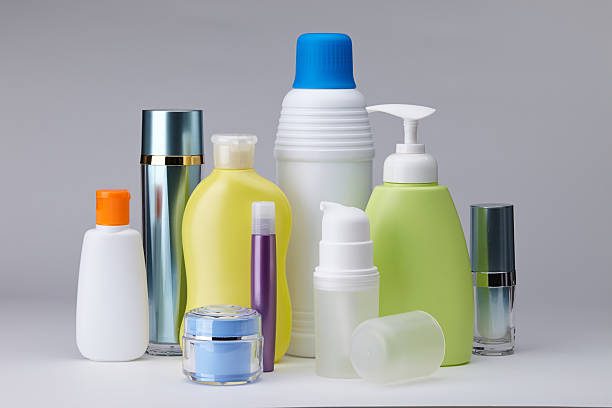
According to a recent Fact.MR analysis, the worldwide bath and shower toiletry market is expected to grow at a CAGR of 3.7 percent between 2017 and 2022. Furthermore, firms are also focusing on new markets such as China and India, where the number of premium class consumers is increasing.
Over the next few years, the global bath and toiletries industry is expected to increase modestly. Rising skin-care awareness is likely to have a beneficial impact on the market, particularly in Western countries where a big number of customers are concerned about their skin and hair condition. As the world’s population grows, demand for bath and shower toiletry goods is likely to rise even more. Furthermore, greater consumer awareness of hygiene and a higher level of life are positively impacting global sales of bath and shower toiletry goods. Market companies are seeing new growth prospects as demand for natural and organic bath and shower items grows.
The primary projections from Fact.forecast MR’s report on the worldwide bath and shower toiletry market are as follows:
- Shower products are expected to account for the biggest revenue share of the market over the forecast period, based on product type. By the end of 2022, this segment is expected to have grown at a CAGR of 3.8 percent to US$ 16,250.2 Mn. Shower items are widely used around the world and come in a variety of pricing points and variations. Meanwhile, the fastest CAGR is projected in the liquid bath products market.
- According to sales channel, hypermarkets/supermarkets will continue to be the top seller of bath and shower toiletries. By the conclusion of the projected year, the hypermarkets/supermarkets segment is expected to have surpassed US$ 22 billion in revenue. The retailers segment is expected to account for more than 35% of the market’s revenue.
- North America is expected to dominate the bath and shower toiletries market in 2017, and this trend is expected to continue throughout the forecast period. Through 2022, the market in the region is predicted to grow at a steady CAGR. Sales of organic and natural ingredients-based bath and shower soaps have increased dramatically in recent years in nations such as the United States and Canada. Concerns about the carcinogenic nature of synthetic bath and shower products are encouraging consumers to opt for natural alternatives. During the evaluation, Europe is likely to be a lucrative market for bath and shower toiletries.
Shower toiletries will see a significant increase in demand.
The bath and shower toiletry market is divided into shower products, liquid bath products, bath additives, and bar soaps based on product type. Shower and liquid bath products are predicted to be potentially profitable categories, with their combined share of the global bath and shower toiletry market estimated to reach 50 percent.
To remain ‘ahead’ of your competitors, request for a sample – https://www.factmr.com/connectus/sample?flag=S&rep_id=63