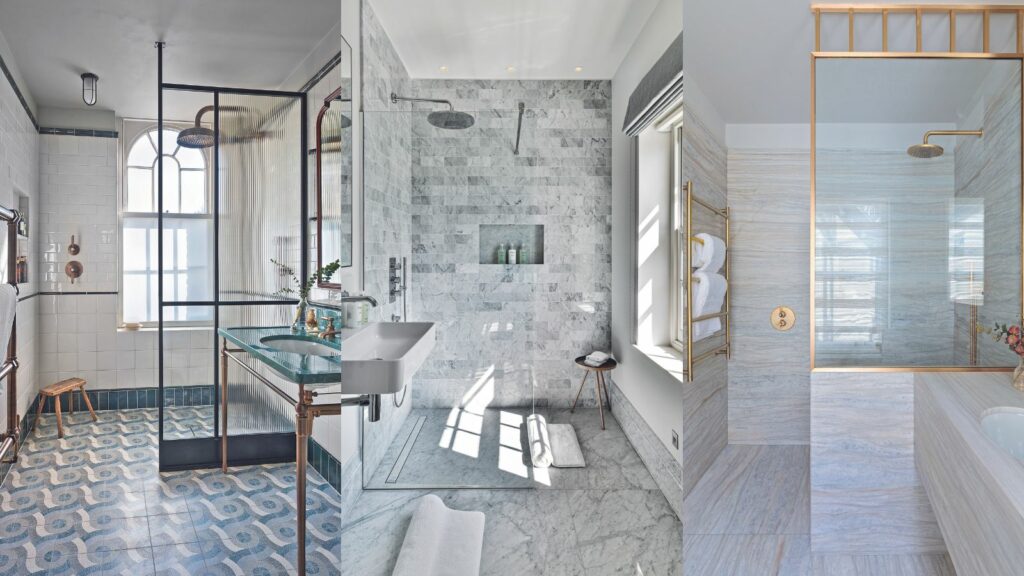
Designing a custom tile shower is one of the best ways to elevate your bathroom’s style and functionality. A tile shower not only enhances the room’s aesthetics but also offers practical benefits like durability, water resistance, and easy maintenance. With a variety of design options available, a custom tile shower allows homeowners to create a unique space tailored to their needs. Here’s a guide to help you design a stunning tile shower that combines beauty, functionality, and durability.
1. Plan Your Shower Layout
The layout of your shower is one of the most important design considerations. A well-thought-out layout ensures that your shower fits the space, meets your needs, and maximizes comfort.
Choosing the Right Layout
- Walk-In Shower: A walk-in shower is a popular choice for modern bathrooms. It offers a spacious, open feel, making the bathroom look larger and more luxurious. Walk-in showers often incorporate a frameless glass enclosure, adding a sleek, minimalistic touch.
- Shower-Tub Combo: For those who want the option of both a shower and a bath, a shower-tub combo is a practical choice. This layout is ideal for families and smaller bathrooms, where maximizing space is essential.
- Corner Shower: Corner showers work well in smaller bathrooms by utilizing available space efficiently. With a custom tile design, even a compact corner shower can become a stylish focal point in the room.
A layout that suits both the size and function of your bathroom is essential. Consulting with an experienced service like Alpha Flooring Pros can help ensure the design and installation meet your vision and space requirements.
2. Select the Best Tile Materials
The tile you choose for your shower plays a major role in its appearance, durability, and ease of maintenance. There are numerous tile options, each with unique qualities and styles to suit different tastes.
Popular Tile Choices for Showers
- Ceramic and Porcelain Tiles: Ceramic and porcelain are among the most popular options for showers. They are highly water-resistant, durable, and come in a wide range of colors, textures, and patterns. Porcelain is slightly denser and more durable than ceramic, making it an ideal choice for high-moisture areas.
- Natural Stone Tiles: For a luxurious look, natural stone tiles like marble, slate, or travertine add a timeless elegance. While beautiful, stone tiles require regular sealing to prevent water absorption and staining. Stone tiles work well for homeowners who are committed to maintaining their shower’s pristine condition.
- Glass Tiles: Glass tiles add a bright, reflective quality that makes smaller showers feel larger and more open. They are often used as accent tiles to create patterns or add color to the shower, bringing a modern, eye-catching touch.
- Mosaic Tiles: Mosaic tiles are versatile and can be arranged to form unique patterns, making them perfect for decorative borders or niche accents. Available in various materials, including glass, ceramic, and natural stone, mosaic tiles allow for creative design options.
Selecting high-quality tile materials not only enhances the look of the shower but also ensures it withstands daily use. Expert installation is crucial for achieving a durable finish, and professional services like Alpha Flooring Pros can help bring your tile shower vision to life with precision.
3. Focus on Waterproofing and Grout Selection
Waterproofing is a critical step in any tile shower installation. Without proper waterproofing, moisture can seep into walls and floors, leading to mold growth and structural damage. Additionally, selecting the right grout can improve both the appearance and durability of your shower.
Key Waterproofing and Grout Considerations
- Waterproof Membrane: Before tiling, a waterproof membrane should be applied to walls and the shower floor. This layer acts as a barrier, preventing moisture from penetrating into the walls or subfloor. A properly installed waterproof membrane is essential for long-term durability.
- Grout Type: Grout is the material used to fill gaps between tiles, and it plays a crucial role in keeping moisture out. Epoxy grout is highly recommended for showers, as it’s resistant to water, stains, and mold. Unlike cement-based grout, epoxy grout does not require sealing, making it low-maintenance.
- Grout Color: Choosing a grout color can impact the overall look of your tile shower. A contrasting grout color can make the tiles stand out and create a bolder look, while a matching grout color offers a more seamless, uniform appearance.
Ensuring that waterproofing and grout are handled professionally will help keep your shower looking great and functioning well over time, even in high-moisture conditions.
4. Design Functional Storage Solutions
A custom tile shower should be both beautiful and functional, which means planning for adequate storage. Built-in storage solutions, like niches or shelves, are ideal for keeping shampoo bottles, soap, and other toiletries organized without cluttering the shower floor.
Ideas for Shower Storage
- Shower Niche: A recessed shower niche is a stylish, functional storage solution that provides space for toiletries while keeping them off the floor. Niches can be designed to match or contrast with the main tile, adding a decorative element.
- Corner Shelves: For showers with limited wall space, corner shelves provide a convenient storage option. These shelves can be tiled to match the shower walls for a cohesive look.
- Bench Seating with Storage: If space allows, incorporating a built-in bench offers a convenient place to sit and can double as extra storage space. The bench can be tiled to match the shower design, creating a seamless, spa-like experience.
By planning for built-in storage, you ensure that your custom tile shower remains organized and clutter-free, enhancing both its appearance and functionality.
5. Add Finishing Touches with Fixtures and Hardware
Fixtures and hardware are the final details that complete the look of a custom tile shower. From showerheads to faucets, the fixtures you choose can enhance the shower’s style and functionality.
Choosing the Right Fixtures
- Showerhead Style: Rain showerheads are popular for their spa-like feel, while handheld showerheads provide flexibility and are especially useful in family homes. Wall-mounted showerheads are a more traditional choice that can be adjusted to different heights.
- Faucets and Controls: Faucets come in a variety of finishes, such as brushed nickel, chrome, and matte black, allowing you to coordinate with your bathroom’s overall style. Thermostatic controls are an advanced option, allowing you to maintain a consistent water temperature for added comfort.
- Frameless Glass Doors: For a modern, open look, frameless glass doors create a seamless transition between the shower and the rest of the bathroom. They showcase the tile design and make the bathroom feel larger.
Thoughtful selection of fixtures and hardware can elevate the style of your shower, adding both elegance and convenience.
6. Maintain Your Tile Shower for Longevity
Once your custom tile shower is complete, regular maintenance will help preserve its beauty and functionality. Proper care can prevent buildup of grime, mold, and mildew, ensuring your shower remains a luxurious feature in your bathroom.
Tips for Maintaining a Tile Shower
- Routine Cleaning: Regularly clean tiles and grout to prevent soap scum and mineral deposits from building up. Use a mild, non-abrasive cleaner to avoid damaging the tile surface, and a soft brush to scrub grout lines gently.
- Reseal Stone Tiles and Grout: If you’ve chosen natural stone tiles, periodic resealing is essential to protect against water absorption and staining. Grout may also require resealing, depending on its type, to maintain a watertight seal.
- Ventilation: Good ventilation is essential to keeping your shower dry and preventing mold. After each shower, run the bathroom fan or open a window to reduce humidity. Using a squeegee to remove excess water from the walls and floor can also help prevent moisture buildup.
With proper maintenance, your custom tile shower will retain its aesthetic appeal and continue to provide a relaxing experience.
Conclusion
A custom tile shower transforms an ordinary bathroom into a luxurious, personalized space. From selecting the right layout and materials to ensuring professional waterproofing and installation, each element contributes to a beautiful, long-lasting shower. With stylish tile choices, practical storage, and well-chosen fixtures, you can create a shower that is both functional and visually stunning. For homeowners looking to bring their vision to life, working with an experienced service like Alpha Flooring Pros ensures that every detail is expertly handled, resulting in a custom tile shower that enhances the beauty and value of your home.
Read More From Techbullion