When it comes to upgrading industrial, commercial, or even residential spaces, few flooring solutions offer the remarkable transformation provided by epoxy resin. Historically confined to harsh industrial environments where utilitarian durability was the sole priority, epoxy flooring has evolved significantly over the past few decades. Today, it represents the perfect amalgamation of robust engineering and refined aesthetics, capable of turning dull, unprotected concrete into a striking, high-performance surface. Whether you are outfitting a massive manufacturing plant or redesigning a modern home garage, understanding the nuances of these structural systems is paramount to making an informed, long-lasting investment.
The sheer versatility of epoxy solutions means that there is a bespoke formulation for virtually every environment and operational requirement. From standard coatings that protect against minor chemical spills to highly specialised, heavy-duty layers capable of withstanding the weight of industrial machinery and aggressive solvents, the options are extensive. This comprehensive guide delves into everything you need to know about epoxy flooring solutions, exploring its core mechanisms, distinct types, top-tier products currently on the market, and how it compares to alternative resinous floors, empowering you to choose the ideal surface for your specific needs.
What is Epoxy Flooring?
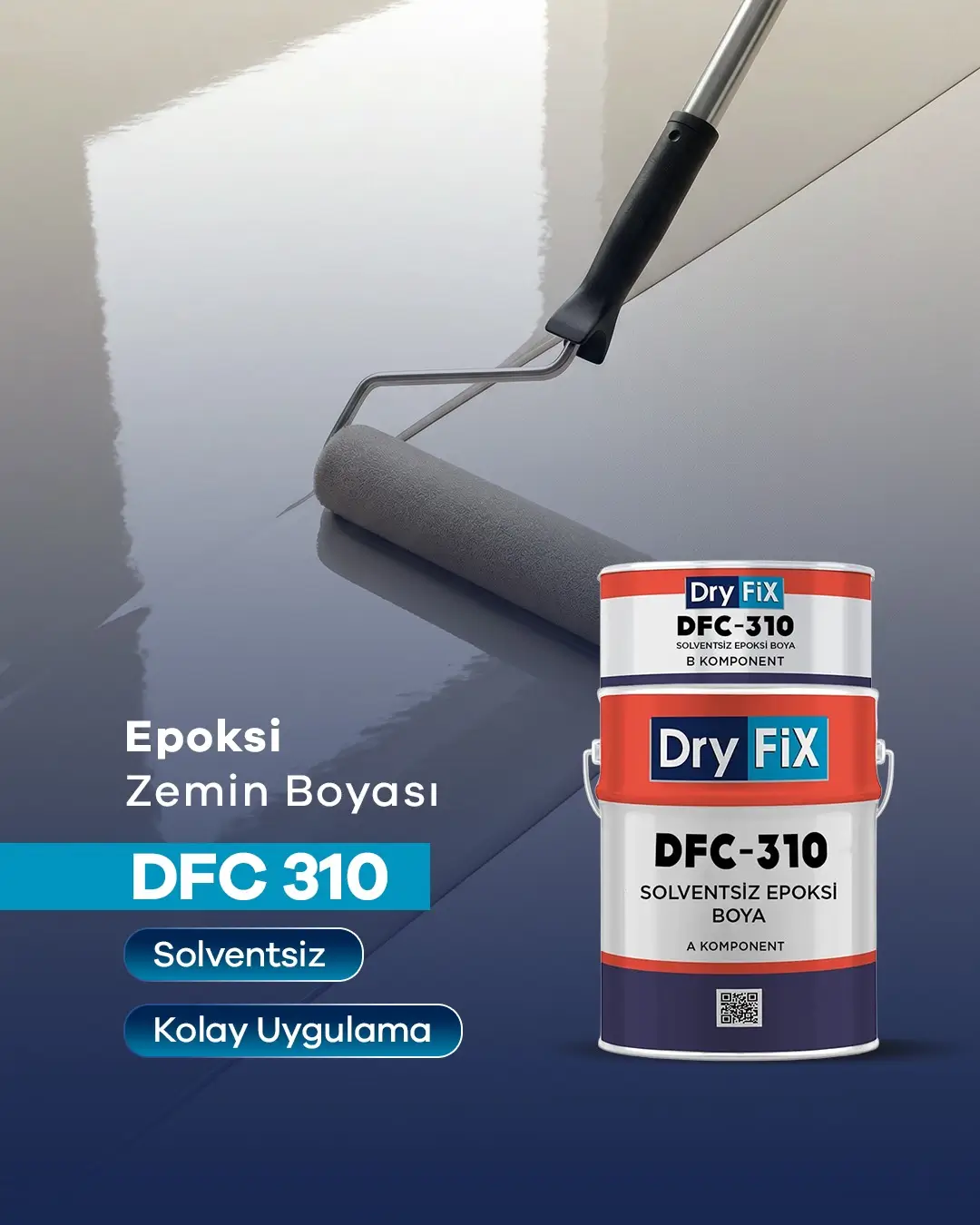
Epoxy flooring is a highly durable, synthetic resin flooring system that is applied directly over concrete substrates as a protective and decorative layer. Fundamentally, an epoxy system comprises two distinct components: a epoxy resin and a hardening agent. When these two liquid parts are meticulously mixed in the correct proportions, they immediately initiate a rapid and powerful chemical reaction.
This curing process transforms the liquid mixture into a rigid, highly cross-linked plastic material. The resulting surface is remarkably strong, binding tenaciously to the underlying concrete base to create a seamless and extraordinarily resilient floor. Unlike standard floor paints that simply dry on the surface through solvent evaporation, epoxy cures structurally, offering a significantly higher degree of physical and chemical stability.
It is crucial to distinguish between a simple epoxy coating and true epoxy flooring. As a general industry standard, an application must be at least two millimetres thick to be officially classified as ‘epoxy floor coating’. Anything thinner than this established threshold is typically referred to as an epoxy floor coating. The robust thickness of true epoxy flooring is what provides superior impact resistance and the ability to smooth out minor imperfections in the original concrete substrate.
The Core Benefits of Epoxy Resin Floors
Investing in an epoxy flooring system brings a multitude of functional, structural, and aesthetic advantages to any commercial or domestic environment. The core benefits that make this system so highly sought-after include:
- Unmatched Durability: Epoxy floors are exceptionally tough and can effortlessly withstand heavy static loads, constant foot traffic, and the rigorous movement of heavy machinery without cracking, chipping, or peeling.
- Cost-Effectiveness: When evaluated over its entire lifespan, the overall cost per square metre is incredibly low. Because it lasts for many years without requiring costly replacements, the long-term savings are substantial.
- Seamless and Hygienic: By creating a continuous surface entirely without grout lines or joints, epoxy prevents the accumulation of dirt, bacteria, and moisture. This makes it incredibly easy to sanitise and maintain.
- Chemical and Spill Resistance: It remains highly impervious to a wide array of harsh substances, including motor oils, bleaches, aggressive industrial cleaners, and automotive fluids, making it ideal for demanding workspaces.
- Enhanced Safety: Many modern epoxy formulations incorporate anti-slip additives to ensure a exceptionally safe walking and working environment, whilst its glossy finish can significantly improve ambient lighting within a facility.
Popular Types of Epoxy Finishes
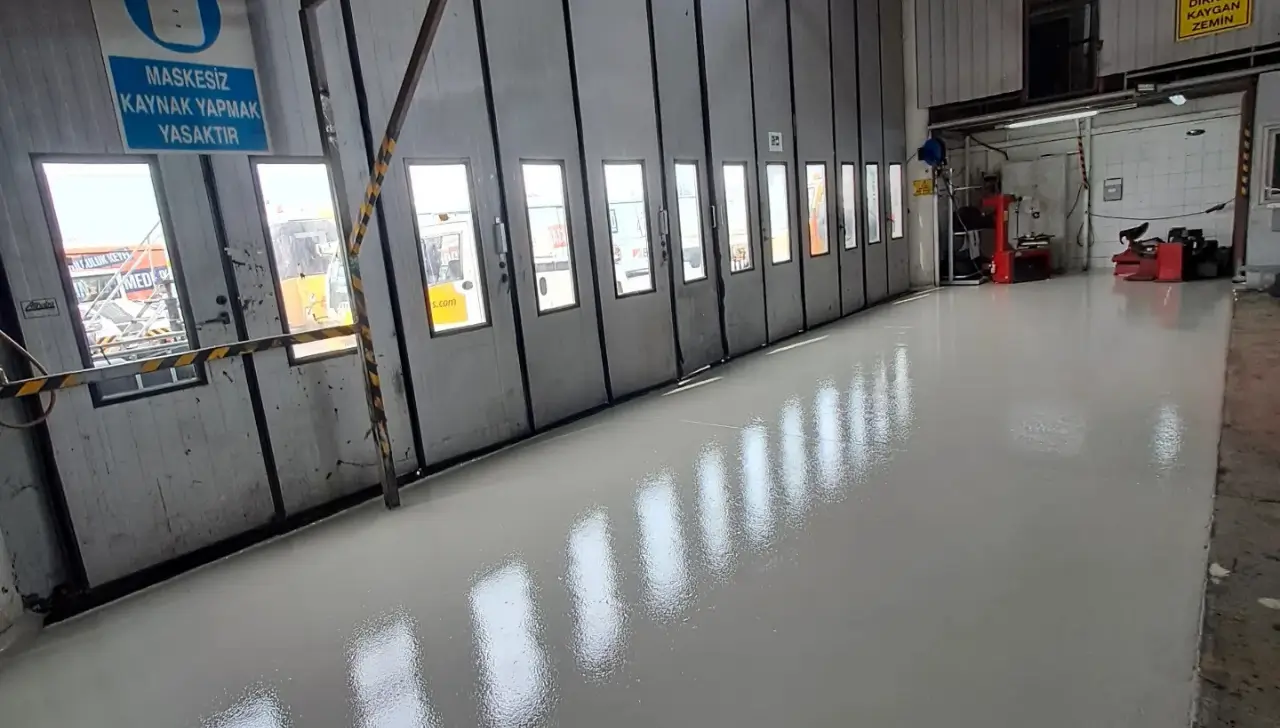
The aesthetic and functional versatility of epoxy allows for a wide variety of finishes, each specifically tailored to meet distinct environmental demands. Self-levelling epoxy is arguably the most common variant, applied over new, old, or cracked concrete floors to create a smooth, seamless, and perfectly level surface. It is highly prized in commercial kitchens, massive warehouses, and athletic facilities for its clean, professional appearance and steadfast structural reliability.
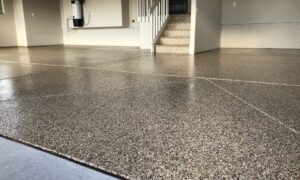
Flake epoxy floors introduce a dynamic decorative element by broadcasting coloured acrylic chips into the wet epoxy base coat before it fully cures. This not only provides a vibrant, multi-tonal aesthetic that can be easily customised to match corporate branding or interior decor, but the physical flakes also provide a subtle texture, naturally enhancing the slip resistance of the surface. This specific type is particularly popular in automotive showrooms, veterinary clinics, and residential garages.
Metallic epoxy offers the most visually striking and luxurious finish, utilising specialised metallic pigments mixed directly into a clear epoxy resin. As the epoxy cures, these metallic pigments move and twist, creating dramatic, three-dimensional visual effects that stunningly mimic the appearance of marble, flowing liquid metal, or storm clouds. Because the pigments flow naturally, no two metallic floors are ever identical, making it a highly desirable option for high-end retail spaces and modern domestic interiors.
Superior Surface Protection with Dryfix DFC 310 Epoxy Floor Coating Paint
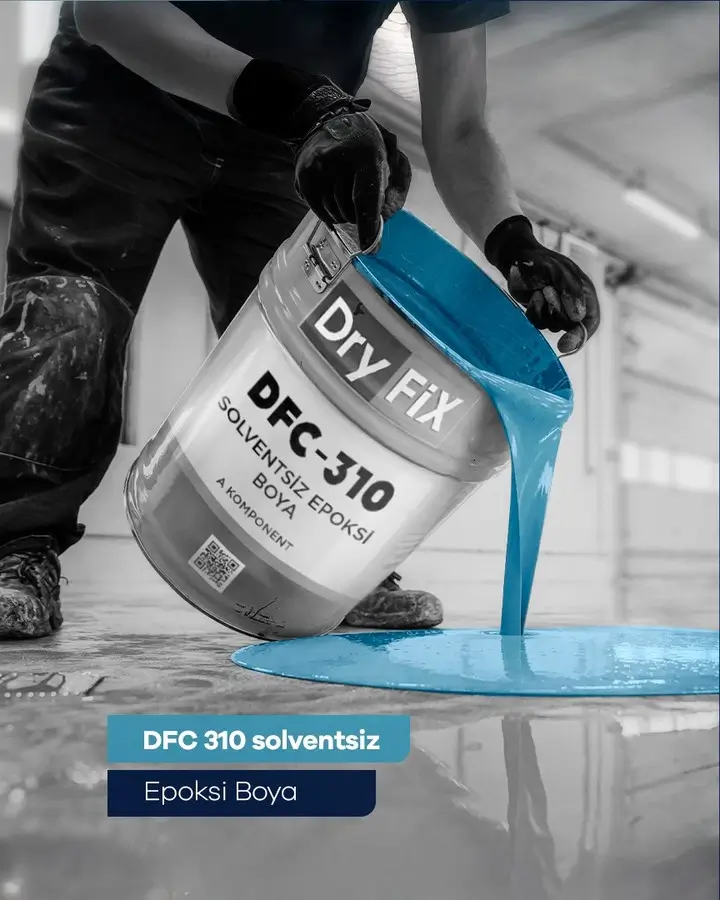
Dryfix DFC 310 Topcoat Epoxy Paint is a two-component, solvent-free, epoxy resin-based topcoat specifically designed to create highly durable surface on industrial floors. Thanks to its remarkable ease of application, it offers an incredibly practical solution for facility managers. It is frequently preferred, especially in demanding industrial areas, on both floors and walls. DFC 310 stands out distinctly with its excellent surface adhesion properties, robust resistance to chemicals and abrasion, verified longevity, and striking aesthetic appearance.
Advantages of this Epoxy Floor Coating:
- High Durability: Demonstrates superior resistance to daily wear, scratching, and sudden impacts in areas heavily utilised by machinery, forklifts, and constant foot traffic.
- Chemical Resistance: Acts as an impermeable, protective shield against harsh acids, motor oils, industrial solvents, and other aggressive chemicals.
- Easy Cleaning and Hygiene: Thanks to its seamless and joint-free structure, it actively prevents the formation of bacteria, dirt, or mould; daily surface cleaning is highly practical.
- Longevity: When applied and cured correctly, maintenance requirements remain at an absolute minimum, allowing it to preserve its original smooth form for many years.
Summary of Key Application Features:
- 100% Solvent-free formulation.
- Exceptional mechanical strength.
- Completely liquid impermeable.
- Delivers a premium glossy surface finish.
- Designed to be easy to apply.
- Effortless to clean and maintain over time.
- A reliable slip-resistant surface can be easily achieved.
Ideal Applications: Where to Use Epoxy?
Epoxy flooring is incredibly versatile, lending itself perfectly to a wide and diverse spectrum of commercial, industrial, and domestic environments. Below is a detailed breakdown of the ideal applications across different sectors:
| Sector | Ideal Application Areas | Primary Benefit |
|---|---|---|
| Industrial | Manufacturing plants, heavy-duty warehouses, assembly lines, pharmaceutical facilities. | Unmatched load-bearing capacity and robust resistance to aggressive chemical spills. |
| Commercial | Retail showrooms, busy commercial kitchens, hospital corridors, aircraft hangars. | Seamless hygiene, high aesthetic appeal, and exceptional ease of daily maintenance. |
| Residential | Domestic garages, basement floors, modern open-plan living spaces, utility rooms. | Reliable protection against automotive fluids, reduced concrete dust, and a sleek modern finish. |
| Automotive | Mechanic workshops, commercial car dealerships, MOT testing centres. | Superior resistance to motor oils and hot tyre marks, coupled with high impact resistance. |
While industrial settings primarily exploit its mechanical strength, commercial environments often lean towards its hygienic and visually appealing nature. In recent years, the residential sector has fully embraced epoxy, transforming cold, dusty concrete basements and garages into vibrant, clean, and highly functional living or working spaces. Regardless of the setting, the fundamental protective qualities of epoxy remain strictly uncompromised.