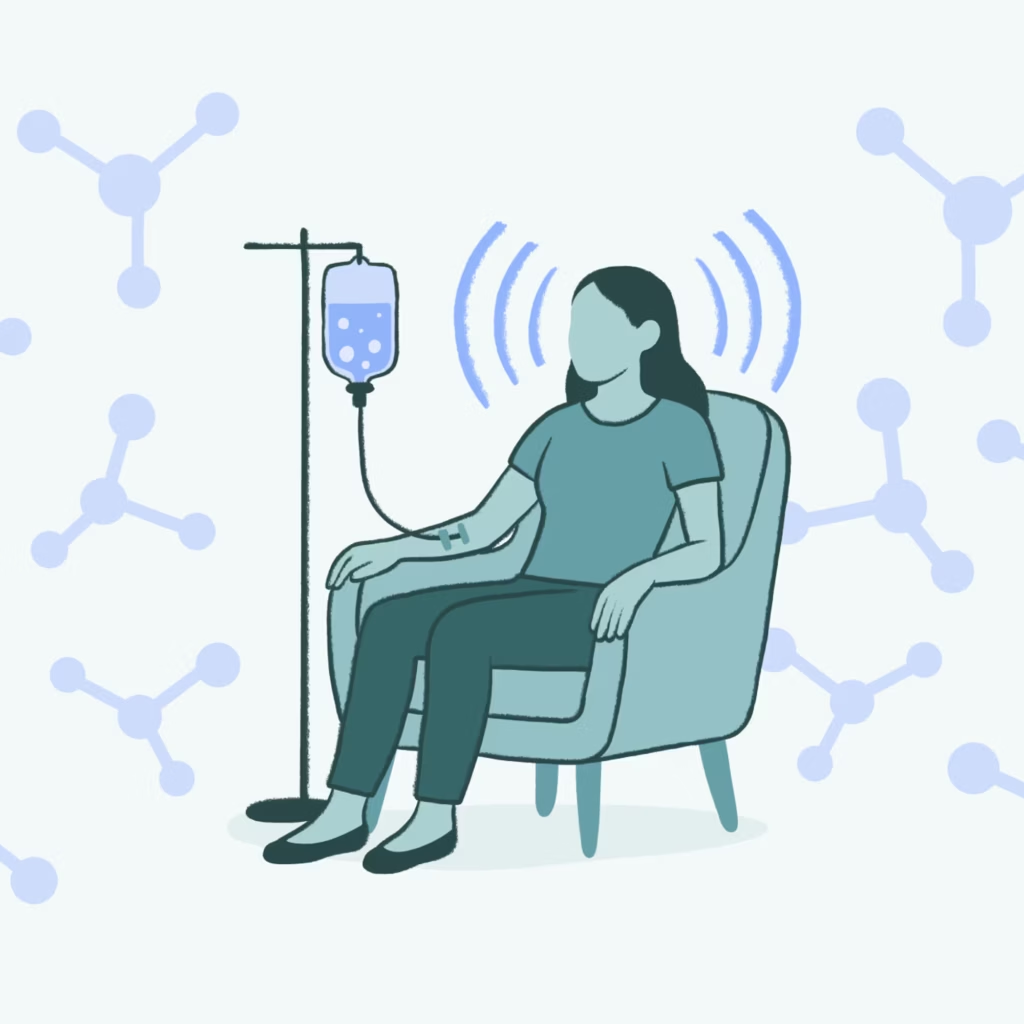
Intravenous therapy, commonly referred to as IV therapy, has become an increasingly prominent method for delivering fluids, nutrients, and medications directly into the bloodstream, offering advantages that traditional oral intake cannot provide. Unlike oral supplementation, where nutrients must pass through the digestive system and are partially broken down before absorption, IV therapy allows substances to bypass this process entirely, ensuring rapid and efficient delivery throughout the body. This method has gained popularity not only in hospitals and clinical settings but also in wellness and preventive health environments, highlighting its versatility and effectiveness.
IV therapy serves a wide spectrum of applications, ranging from medical treatments such as hydration and vitamin deficiencies to wellness-focused solutions like energy enhancement, immune support, and recovery from physical or mental exhaustion. The method’s effectiveness lies in its ability to provide immediate results, which can be particularly critical for patients experiencing acute conditions, chronic illnesses, or nutrient deficiencies that cannot be efficiently managed through oral supplementation alone. Moreover, IV therapy offers the flexibility to customize the contents of the solution according to individual needs, thereby optimizing therapeutic outcomes for each patient.
How IV Therapy Works
The process of IV therapy involves the administration of fluids, vitamins, minerals, or medications directly into a vein through a sterile catheter and IV line. This direct delivery system ensures that the substances reach the bloodstream immediately, allowing the body to utilize them efficiently without the limitations of digestive absorption. The composition of IV fluids can vary significantly depending on the treatment’s purpose. Saline or electrolyte solutions are commonly used to restore hydration and maintain fluid balance, while vitamin and mineral cocktails, such as B-complex vitamins, vitamin C, magnesium, and calcium, target deficiencies or provide wellness support.
Medical professionals carefully calculate the dosage and duration of IV therapy based on the patient’s specific needs, overall health, and treatment goals. Typically, a session can last anywhere from thirty minutes to an hour, although more complex treatments may require longer infusion times. Throughout the session, healthcare providers monitor the patient’s response to ensure safety and effectiveness. The precise delivery offered by IV therapy allows clinicians to achieve concentrations of nutrients and medications that would be difficult or impossible to obtain through oral intake, making it an essential tool for both acute and ongoing care.
Common Applications of IV Therapy
IV therapy is used for a broad range of purposes, encompassing both medical and wellness-related treatments. One of the primary applications is rapid hydration. Dehydration can occur due to illness, excessive physical activity, heat exposure, or insufficient fluid intake, and IV therapy offers a quick and effective means of restoring proper hydration and electrolyte balance. By delivering fluids directly into the bloodstream, IV therapy alleviates symptoms such as fatigue, dizziness, headaches, and low blood pressure more effectively than oral rehydration.
Another common application is nutrient supplementation. Individuals with deficiencies in essential vitamins and minerals or those with conditions that reduce absorption in the digestive tract can benefit significantly from IV therapy. Nutrient-rich IV infusions support immune function, improve energy levels, enhance cognitive performance, and promote overall cellular health. Certain formulations are designed to combine multiple vitamins, antioxidants, and minerals, providing a comprehensive boost to the body in a single session.
IV therapy is also widely used for medical treatment purposes. Hospitals and clinics utilize IV administration to provide antibiotics, pain management medications, chemotherapy, and other critical treatments. Delivering these substances intravenously ensures rapid therapeutic effects and precise dosing, which can be particularly important in acute or severe medical situations. Beyond medical treatment, IV therapy has also been adopted in wellness and recovery contexts, offering support for post-illness recovery, hangover relief, or post-exercise replenishment, making it a versatile tool for enhancing both physical and mental well-being.
Benefits of IV Therapy
The benefits of IV therapy extend beyond the immediate relief provided by hydration or nutrient delivery. One of the most significant advantages is rapid absorption and immediate effects. By bypassing the digestive system, IV therapy ensures that the body can utilize nutrients and medications efficiently, which is particularly valuable for patients with absorption difficulties or chronic conditions.
IV therapy also allows for the administration of higher concentrations of vitamins, minerals, or medications than what could be achieved orally. This makes it an effective treatment option for individuals who need a rapid or potent intervention, such as those experiencing fatigue, immune compromise, or nutrient deficiencies. Moreover, the therapy can be customized to meet the unique health requirements of each patient, allowing healthcare providers to tailor the infusion to include specific combinations of vitamins, minerals, antioxidants, or medications for optimal therapeutic benefit.
Additionally, IV therapy supports overall wellness and recovery. For example, athletes often use IV therapy to enhance recovery following intense training sessions, as the rapid delivery of fluids and nutrients helps replenish depleted energy stores, reduce inflammation, and support muscle repair. Similarly, patients recovering from illness may benefit from formulations designed to strengthen the immune system, improve energy levels, and aid in restoring overall health.
Safety Considerations and Potential Risks
Although IV therapy is generally safe when administered by trained professionals, it is not entirely without risks. Potential complications include infection at the insertion site, irritation or inflammation of the vein, and allergic reactions to the solution. Proper technique, sterile equipment, and careful monitoring during the procedure are essential to minimize these risks.
Individuals with certain medical conditions, such as heart or kidney disease, should consult with a healthcare provider before undergoing IV therapy, as the infusion of fluids can affect fluid balance and organ function. Furthermore, patients should disclose any medications or supplements they are taking to avoid potential interactions or adverse effects. By ensuring that IV therapy is performed in a controlled, professional environment, the likelihood of complications can be significantly reduced, making the treatment safe and effective for most patients.
Who Can Benefit from IV Therapy
IV therapy can be beneficial for a wide range of individuals, from those experiencing acute dehydration to those seeking wellness and recovery support. Patients with chronic medical conditions that impact nutrient absorption, such as gastrointestinal disorders, can benefit from the direct delivery of essential vitamins and minerals. Athletes and individuals engaging in intense physical activity may use IV therapy to recover quickly from fatigue and prevent nutrient depletion.
People recovering from illness, surgery, or long-term medication use may also find IV therapy helpful, as it provides rapid replenishment of fluids and nutrients that support overall recovery and immune function. Additionally, wellness-focused IV therapy sessions are popular among individuals looking to enhance energy, improve mental clarity, and maintain optimal health.
Frequency and Duration of IV Therapy Sessions
The frequency and duration of IV therapy sessions depend on the individual’s health needs, treatment goals, and the specific formulation used. Some patients may require a single session to address acute issues such as dehydration or nutrient deficiency, while others may benefit from a series of sessions to support ongoing wellness or chronic health management. Regular sessions may be scheduled weekly, biweekly, or monthly based on medical advice and individual goals.
Healthcare providers typically monitor patients during each session to assess their response, adjust infusion rates as necessary, and ensure safety throughout the procedure. Over time, this careful monitoring allows for optimal results and minimizes the risk of adverse effects.
Integrating IV Therapy into a Comprehensive Wellness Routine
While IV therapy can provide immediate benefits, it is most effective when incorporated into an overall health and wellness routine. Proper nutrition, regular exercise, adequate hydration, and sufficient rest complement the effects of IV therapy and contribute to long-term health outcomes. Using IV therapy as a supplement rather than a replacement for healthy lifestyle habits ensures maximum benefit and sustainable results.
Healthcare providers often recommend combining IV therapy with regular medical checkups, blood work, and lifestyle assessments to optimize the therapy’s effectiveness and ensure that underlying health needs are addressed alongside the infusion.
Conclusion
IV therapy is a versatile and highly effective method for delivering fluids, nutrients, and medications directly into the bloodstream. Its ability to bypass the digestive system allows for rapid absorption, immediate results, and precise dosing, making it an invaluable tool for both medical treatment and wellness applications.
From hydration and nutrient replenishment to recovery and immune support, IV therapy offers numerous benefits for individuals across different health and lifestyle needs. When administered by trained professionals in a controlled environment, IV therapy is safe, effective, and adaptable, allowing for customized treatments that meet specific patient requirements. By integrating IV therapy into a comprehensive health and wellness routine, individuals can optimize their energy levels, improve recovery, and maintain overall well-being.