Finding enough people to take part in clinical studies has always been one of the biggest bottlenecks in medical research. For neurological conditions such as migraine, the challenge is particularly sharp. Migraine affects around one in seven people in the UK, yet historically only a fraction of those who could benefit from research participation ever learn that a study exists, let alone take part in one.
That is starting to change, and technology is playing a central role.
The Recruitment Problem in Neurological Research
Drug developers working in neurology face a persistent issue: the people most likely to qualify for a study are often the hardest to reach. Migraine, for instance, is frequently undertreated, and many people manage their symptoms with over-the-counter medication without ever speaking to a specialist. As a result, they fall outside the referral networks that have traditionally fed clinical trial pipelines.
This is not a minor inconvenience. Delayed or failed participant recruitment is one of the leading causes of clinical trial cost overruns and timeline extensions. A 2021 analysis by the Tufts Centre for the Study of Drug Development estimated that recruitment delays alone add hundreds of millions of pounds to the development cost of a typical pharmaceutical product.
Digital Tools Entering the Picture
A growing range of health technology platforms are addressing this by connecting potential participants directly with research sites. These include condition-specific online portals, social media targeting tools, electronic pre-screening questionnaires, and patient database management systems that allow research teams to identify eligible individuals from existing medical records.
Condition-focused landing pages have become particularly useful. Research organisations now maintain dedicated pages explaining what a specific study involves, who qualifies, and what participation means in practice. For people living with migraine, finding clear and accessible information about clinical trials migraines through a simple search removes one of the most common barriers to participation: not knowing the option exists.
Electronic patient-reported outcomes (ePRO) tools are also gaining ground. These allow participants to log symptoms and complete study assessments through smartphone apps, reducing the number of in-person visits required. For people whose neurological condition affects their ability to travel or maintain a consistent routine, this flexibility can make the difference between joining a study and turning it down.
Data Infrastructure Behind the Scenes
Behind each participant-facing interface sits a more complex data ecosystem. Modern research sites use clinical trial management systems (CTMS) to track eligibility, consent status, visit schedules, and adverse event reporting in a single integrated platform. These tools reduce the administrative burden on site staff and lower the risk of data entry errors, both of which directly affect the quality of evidence produced by a trial.
Regulatory bodies including the MHRA in the UK require that data collected during a clinical trial meets strict standards of integrity and traceability. Technology that makes compliance easier to maintain consistently also makes trials faster to complete and easier to submit for regulatory review.
What This Means for Participants
For people living with conditions like migraine, the practical upshot is greater awareness and easier access. Those looking into clinical trials migraines now encounter online resources that explain eligibility in plain language, outline what happens at a screening visit, and make it straightforward to register interest. Studies do not pay participants, but they typically cover reasonable travel costs and provide access to new treatments that may not yet be available through standard care.
The shift towards digital recruitment does not remove the need for human contact. Trained research coordinators still manage participant relationships, answer questions, and ensure that informed consent is given properly. Technology streamlines the process; it does not replace the people at the centre of it.
The Road Ahead
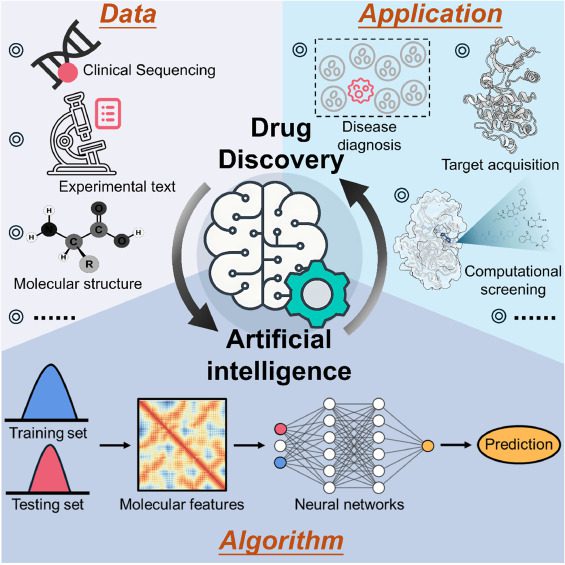
The next phase of development in this area is likely to involve AI-assisted matching, where algorithms cross-reference a person’s health profile against open trial criteria automatically and in real time. Several pharmaceutical companies and contract research organisations are already piloting these tools.
Whether through smarter search, better data systems, or AI-driven matching, the direction of travel is clear: getting the right participants into the right study, faster, is both a technical and a healthcare challenge. Solving it more effectively would benefit researchers, drug developers, and ultimately the people waiting for better treatments.