A Decisive Shift Toward Cashless Commerce in the UAE
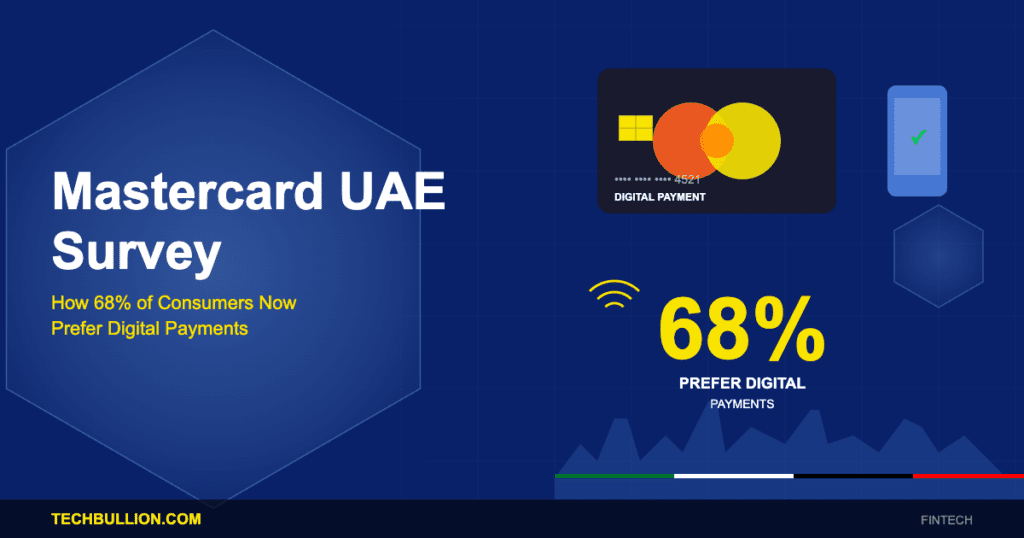
The United Arab Emirates has long positioned itself as a regional leader in financial technology adoption, and a landmark 2025 survey commissioned by Mastercard confirms just how far the country has moved from cash-based commerce. According to the survey, 68 per cent of UAE consumers now prefer card or mobile payments over cash for everyday transactions, representing one of the highest digital payment preference rates in the Middle East and North Africa region.
This shift has not happened overnight. Government-backed smart city initiatives, a digitally native expatriate population, and years of infrastructure investment by banks and payment networks have combined to create a consumer base that increasingly views physical currency as an inconvenience rather than a necessity. For businesses operating in or entering the UAE market, the data presents both a commercial opportunity and a strategic imperative to build robust digital payment capabilities.
What the Mastercard Survey Reveals
The Mastercard survey, conducted across a representative sample of UAE residents in early 2025, measured consumer attitudes, preferences, and behaviours relating to payment methods. The headline finding that 68 per cent of consumers prefer digital payments captures only part of the story. Several additional data points deepen the picture.
Contactless payments have become the dominant in-store method, with more than 75 per cent of in-person transactions at major retailers now completed via tap-to-pay cards or mobile wallets. NFC-enabled smartphones account for a growing share of this volume, driven by the widespread adoption of Apple Pay, Samsung Pay, and Google Pay across the Emirates.
E-commerce payment preferences have also shifted decisively. Stored card credentials and digital wallet checkout options now account for the majority of online purchases, while cash-on-delivery, once a dominant fulfilment method in the region, has declined to less than 15 per cent of total e-commerce transactions.
Younger demographics are leading the transition. Among consumers aged 18 to 34, the preference for digital payments exceeds 80 per cent, and this cohort reports using cash for fewer than one in ten transactions per month. Even among consumers over 50, digital payment preference has crossed 50 per cent for the first time, suggesting that the shift is broad-based rather than confined to a single generation.
Drivers Behind the UAE Digital Payment Adoption
Several structural and policy-driven factors explain why the UAE has moved so quickly toward digital payment dominance.
Government digital transformation strategy. The UAE government has made cashless transactions a pillar of its broader smart government agenda. Dubai Smart City initiative and Abu Dhabi digital government strategy both include targets for reducing cash usage across government services, transport, and utilities. The introduction of digital ID verification and e-KYC processes has made it easier for residents to open accounts and activate payment instruments without visiting physical branches.
World-class payment infrastructure. The UAE benefits from near-universal point-of-sale terminal penetration among formal retailers, with the vast majority of terminals supporting contactless transactions. The country telecommunications infrastructure ensures reliable mobile connectivity, removing a common barrier to mobile payment adoption found in other emerging markets.
A diverse, digitally connected population. Approximately 88 per cent of the UAE population consists of expatriates, many of whom arrive from countries with established digital payment ecosystems. This creates a consumer base predisposed to adopting digital payment tools, particularly cross-border remittance and multi-currency wallet solutions.
Fintech ecosystem growth. The UAE has cultivated a vibrant fintech sector, with the Abu Dhabi Global Market and Dubai International Financial Centre providing regulatory sandbox frameworks that encourage innovation. Digital-first banks and payment platforms have emerged to serve segments underserved by traditional banks, further expanding the digital payment user base.
Implications for Merchants and Payment Service Providers
For merchants operating in the UAE, the 68 per cent digital preference figure translates into clear operational guidance. Businesses that have not yet implemented contactless payment acceptance, mobile wallet compatibility, and seamless online checkout experiences risk losing customers to competitors that have.
The data also suggests that loyalty and rewards programmes tied to digital payments carry significant influence. The Mastercard survey found that consumers who use digital payments regularly are 40 per cent more likely to participate in merchant loyalty programmes and spend an average of 25 per cent more per transaction than cash-paying customers. This spending premium creates a direct financial incentive for merchants to encourage digital payment adoption among their customer base.
For payment service providers and fintech companies, the UAE market presents a growth opportunity in several adjacent areas. Buy-now-pay-later services have gained rapid traction, with providers such as Tabby and Tamara reporting triple-digit annual growth in transaction volumes. Embedded finance solutions that integrate payment capabilities directly into non-financial platforms represent another expanding frontier.
Regional Context and the Road Ahead
The UAE 68 per cent digital payment preference places it well ahead of most neighbouring markets, though the broader region is catching up. Saudi Arabia, propelled by its Vision 2030 programme and the rapid expansion of mada Pay and STC Pay, has seen digital payment adoption rise sharply, with recent surveys indicating preference rates approaching 55 per cent. Bahrain open banking framework and Egypt expanding mobile money ecosystem also signal growing regional momentum.
Despite the strong trajectory, several challenges remain. Cybersecurity concerns continue to rank as the primary reason cited by the remaining 32 per cent of consumers who prefer cash. Interoperability between payment systems also presents an ongoing challenge, though initiatives such as the UAE Instant Payment Platform aim to address these gaps.
Looking ahead, industry analysts expect the UAE digital payment preference to exceed 80 per cent by 2028, driven by continued infrastructure investment, central bank digital currency pilots, and the integration of AI-powered personalisation into payment experiences. For marketers, fintech providers, and merchants alike, the Mastercard survey data confirms that the UAE digital payment transformation is not a future aspiration but a present reality that demands immediate strategic attention.
According to CB Insights’ 2024 fintech report, global fintech funding declined 40 percent between 2022 and 2024, pushing the sector toward consolidation and a sharper focus on profitability over growth at all costs.
The Boston Consulting Group projects fintech revenues will reach $1.5 trillion by 2030, with embedded finance and digital lending accounting for the largest share of projected growth.
For more coverage on related topics, explore our dedicated section on fintech developments.
Readers interested in this space may also find value in our reporting on digital payments.
Stay informed with TechBullion’s latest coverage of technology trends.