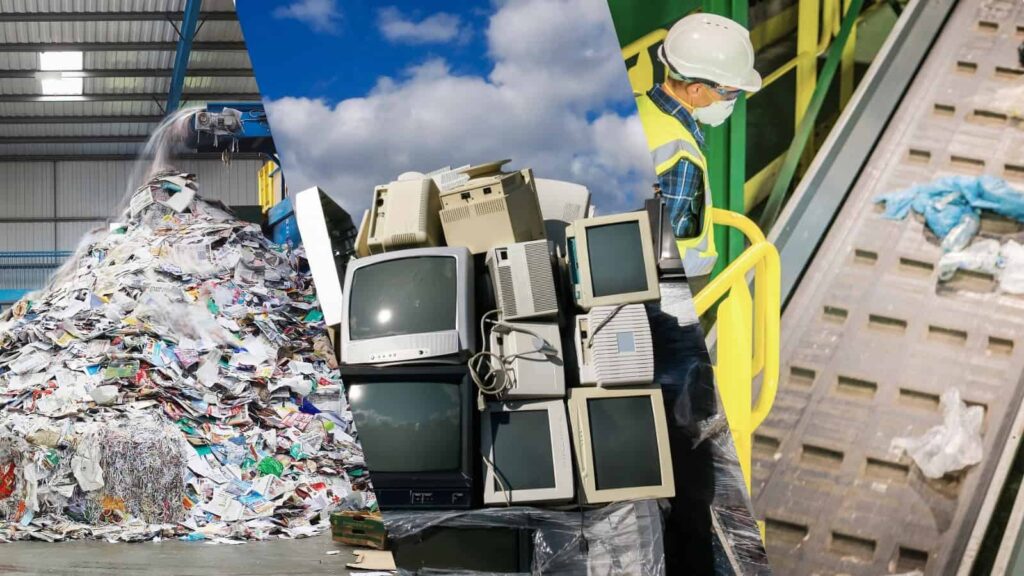
Across cities and supply chains, waste is becoming data, and recyclng is evolving into a responsive, technology driven system. Sensors, artificial intelligence, and modern processing lines are changing how materials are collected, sorted, verified, and sold. These tools are not only improving efficiency. They are raising bale quality, stabilizing end markets, and lowering environmental impact by making each step of the journey observable and repeatable.
Smarter Collection with Real Time Signals
Collection has long relied on fixed routes and rigid calendars. Today, connected sensors inside containers and on trucks provide live insight into fill levels, contamination risk, and route performance. Dispatchers can deploy precisely, sending trucks only when and where service is required. That reduces unnecessary miles, cuts fuel use, and prevents overflows that frustrate residents. Telematics highlight harsh braking, idle time, and maintenance needs so managers can coach drivers and address repairs before problems escalate. In short, a daily circuit becomes a dynamic plan that meets demand while protecting the fleet and the budget.
AI and Robotics Are Rewriting the Sorting Floor
On a material recovery facility line, fractions of a second matter. Computer vision systems, trained on large image sets, now recognize brands, resins, shapes, and surface features at production speeds. Paired with robotic pickers or targeted air jets, they lift capture of high value items like PET bottles and aluminum while removing contaminants that would otherwise degrade bale quality. These systems also generate a constant stream of analytics. Operators can see which routes send the most contamination, which shifts need coaching, and which packaging types are complicating recovery. Human crews remain essential, but AI gives them diagnostic visibility that narrows the toughest problems and supports continuous improvement.
Forensics and Quality Assurance Close the Loop
Even the best sorting lines face questions about identity, defects, and compatibility. When bale specifications are disputed or a new resin stream enters the plant, a plastics expert can run forensic laboratory testing, on site inspections, and compatibility and contamination analysis, then provide defensible documentation that pinpoints root causes, informs corrective actions, and stands up in procurement reviews or legal proceedings. This kind of targeted, evidence-backed support does more than fix a single load. It tightens upstream education, refines inbound specifications, and helps facilities accept more materials with confidence.
Advanced Processing and Design Expand What Can Be Recovered
Technology is widening the aperture for recovery. Optical sorters and near infrared spectroscopy now separate resins and colors with far greater precision, helping processors avoid downcycling and deliver tighter specifications to buyers. Film densification systems handle material that once jammed equipment, opening a path for cleaner polyethylene and polypropylene loads. On the frontier, chemical recycling pilots aim to break certain polymers down to building blocks for reassembly into higher value products. These methods are not one size fits all, so operators are pairing process data with technical reviews to decide when a new pathway adds value and when design for recycling guidance to brands will yield a better long-term outcome. The emphasis is on measurable performance and clear end markets, not novelty.
Traceability, Marketplaces, and People Complete the Picture
Trust is the currency of recycling markets. Digital marketplaces, standardized quality tests, and serialized tagging make it easier for buyers to know what they are paying for and for sellers to prove consistency. Platforms that link inbound composition, processing conditions, and outbound specs into a single record help brands validate recycled content claims and help municipalities show that local efforts produce real circular outcomes. Inside the plant, automation is improving safety by taking on repetitive, high-risk tasks like pulling tanglers or clearing jams. As roles evolve, facilities are upskilling teams to calibrate sensors, interpret dashboards, and maintain electromechanical equipment. That combination of safer work and technical growth strengthens retention and attracts candidates who might not have considered the industry before.
Policy Signals Are Accelerating Adoption
Policy is turning technology from an optional upgrade into an operating requirement. Extended producer responsibility programs, minimum recycled content standards, and clearer labeling rules all increase demand for verified, high-quality recycled material. Facilities that can document performance with reliable data and third-party tests are better positioned for these markets. Contamination thresholds sharpen the focus on targeted education and feedback loops with customers, which is where metering, computer vision analytics, and route level reporting pay back quickly. In this environment, investment in measurement, quality systems, and staff capability is not just prudent. It is strategic.
A Practical Roadmap for Operators
Leaders do not need to change everything at once. Start with the pain point that causes the most claims or overtime. If missed pickups drive complaints, pilot container sensors and dynamic routing in a representative zone. If quality deductions strain contracts, test a vision system on one line and add structured technical support to validate identity and compatibility. Set a baseline, measure results, and share the data with hauling teams, educators, and buyers so everyone sees the same picture. Put a data governance plan in place so information is captured consistently and used to guide decisions, not just to generate reports. Finally, invest in people. Every technology in this sector pays off faster when teams can operate it confidently, troubleshoot issues, and teach others.
Conclusion
Technology is transforming the waste and recycling industry by making systems observable and decisions evidence based. Smart collection turns miles into insights. AI enabled sorting raises recovery and steadies quality. Forensic support and advanced processing help facilities say yes to more material with confidence. Digital tools build market trust, while policy aligns incentives around measurable outcomes. Most importantly, people remain at the center, using these tools to deliver cleaner streams and stronger results. When operators pair the right technology with clear metrics and skilled teams, they turn a linear challenge into a circular opportunity.