
How Tech Is Transforming Healthy Grocery Shopping

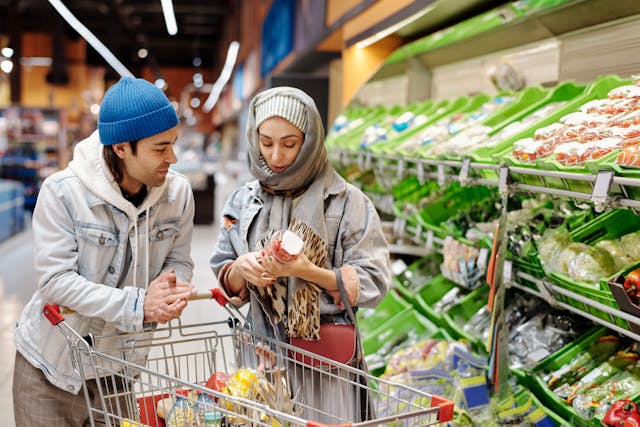
Healthy grocery shopping used to depend on time, energy, and a solid plan. Today, it is increasingly shaped by technology that helps people choose smarter foods, stick to routines, and waste less. To build this piece, grocery industry reporting, retail operations trends, and public guidance on food waste were reviewed, and then the most practical patterns were distilled into clear, real-world takeaways.
The shift is easy to notice. Shopping can happen in minutes, staples can be reordered automatically, and weekly decisions can feel less stressful. For businesses, the same shift is raising expectations for product information, personalization, and reliable fulfillment that protects freshness.
Tech is not replacing the basics of eating well. It is tightening the loop between intention and follow-through, which matters most on busy weekdays.
Personalization Makes Healthy Choices Easier to Repeat
Consistency is the real challenge for many households. People often know what they want to eat, yet the moment-to-moment choices add friction. Personalization features reduce that friction by turning preferences into simple options.
Modern platforms can remember what a shopper likes and reflect it in useful ways. Instead of starting from scratch every week, shoppers can save dietary preferences such as high-protein, gluten-free, or lower-sugar, and filter out ingredients that do not work for allergies or sensitivities. Budget guardrails can also keep choices realistic, which helps shoppers stay on track when prices rise.
This is where healthy grocery delivery becomes more than a convenience. When personalization is built well, it can guide the cart toward foods that match goals without forcing shoppers to read every label. Tags, filters, and smart suggestions can reduce decision fatigue and make the “healthy” path feel like the simplest one.
Personalization also helps households with mixed needs. One person may want lighter lunches, another may want kid-friendly dinners, and someone else may need higher protein for training. A single cart can still work when the system can sort options by preference and keep those choices organized.
Meal planning tools strengthen this effect. Some experiences help shoppers choose meals first, then build the cart around those meals. That approach removes the nightly “what’s for dinner” scramble, which is often where nutrition plans break down. When ingredients arrive with a plan, cooking becomes a routine instead of a debate.
Smarter Fulfillment Protects Freshness and Cuts Waste
Health-focused shopping usually includes more fresh items, produce, proteins, and quick-to-spoil ingredients. That is great for nutrition, yet it raises the bar for logistics. If produce arrives bruised or greens look tired, the week’s plan can fall apart fast.
That is why fulfillment technology matters so much in the healthy grocery shift. Behind the scenes, several improvements are changing outcomes for shoppers and retailers.
Smarter substitution logic protects meal plans. If an item is out of stock, the best systems choose replacements that fit the shopper’s preferences and the recipe’s purpose, such as swapping a similar ingredient instead of a random alternative.
Improved picking and packing reduces damage and errors. Guided picking, quality checks, and careful packing can keep fragile foods intact and cold items properly grouped.
Cold-chain discipline protects foods that are sensitive to heat. Temperature control during storage and delivery helps preserve quality and supports food safety.
These upgrades have a direct impact on eating habits. When food arrives in good shape, people are more likely to cook, more likely to eat the groceries they bought, and less likely to fall back on last-minute takeout.
Waste is another big piece of the story. A surprising amount of food gets tossed in many homes, often from overbuying, forgetting ingredients, or produce spoiling too quickly. Tech can reduce that in practical, shopper-friendly ways:
- Reorder prompts help prevent accidental duplicate purchases
- Portion-aware recipes make it easier to buy the right amount.
- Simple reminders can encourage households to use items on time.
- Cart suggestions can favor ingredients that work across multiple meals.
On the business side, waste reduction can also come from better forecasting. When demand predictions improve, inventory can be stocked more precisely, which can reduce spoilage and support better freshness.
A Smarter Way to Stock the Fridge
Tech-driven grocery shopping is not only about placing an order online. It is about building a system that supports healthier choices with less friction. The strongest experiences tend to blend three outcomes that matter to both shoppers and businesses.
Clarity at the moment of choice
People want ingredient transparency, dietary tags, and simple nutrition cues that are easy to scan. Clean product data helps shoppers make decisions quickly and confidently.
A smoother weekly routine
Healthy eating works best when it is repeatable. Saved lists, smart reorders, and predictable substitutions make it easier to stick to a plan, even when the week gets chaotic.
Support for real-life constraints
Households have different budgets, time limits, and cooking comfort levels. The best experiences respect those constraints by offering flexible options, quick meals, and straightforward guidance.
This shift is also changing how “healthy” is defined in the grocery world. It is not a single aisle or a niche set of products. It is a set of small choices that repeat every week. When the shopping experience is designed around that reality, healthy habits feel easier to maintain.
Healthy Habits Get Easier When the System Helps
Technology is moving healthy grocery shopping from a one-time burst of motivation to a repeatable process. Personalization reduces decision fatigue, better fulfillment protects freshness, and planning tools help groceries turn into meals instead of waste.
For shoppers, the win is simple: fewer last-minute choices, fewer spoiled ingredients, and an easier path to eating well on busy days. For businesses, the opportunity is to build trust through reliability and relevance, then keep improving the experience so the healthy option feels natural.
As these tools keep evolving, healthy grocery delivery will keep shifting from a convenience feature to a practical support system that helps households stock the fridge with confidence.







Comment