Introduction
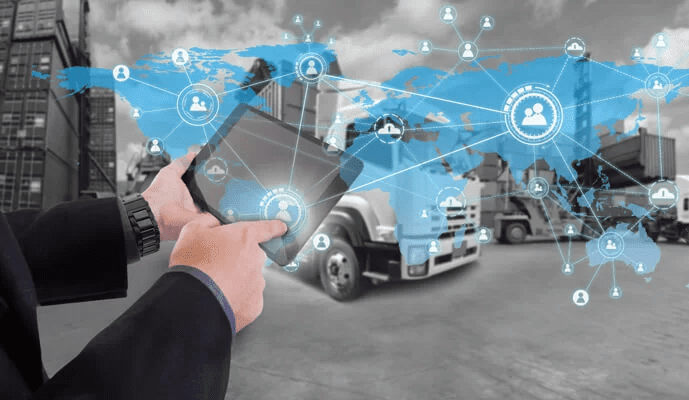
Managing multiple vehicles efficiently is a challenge for businesses in 2026. Fleet GPS trackers provide real-time location monitoring, route optimization, and operational insights that help companies save time, reduce costs, and improve security.
For professional fleet GPS tracking solutions and expert installation, visit iNeedATracker, where advanced systems help businesses manage vehicles effectively while ensuring safety and compliance.
Real-Time Location Monitoring
Fleet GPS trackers allow managers to see the exact location of every vehicle at any moment. This helps in ensuring timely deliveries, preventing unauthorized trips, and responding quickly to any incidents on the road. Real-time tracking enhances accountability and operational efficiency.
Route Optimization and Efficiency
By analyzing traffic, delivery schedules, and vehicle patterns, fleet trackers recommend the most efficient routes. This reduces fuel consumption, minimizes delays, and helps managers plan multi-stop routes effectively. Optimized routing leads to cost savings and improved customer satisfaction.
Driver Behavior and Safety Oversight
Fleet GPS systems monitor driver behavior, including speed, hard braking, and idle time. By identifying risky driving patterns, managers can provide feedback, improve safety, and reduce the likelihood of accidents. Some systems also provide alerts for sudden stops or deviations from assigned routes.
Vehicle Health and Maintenance Monitoring
Advanced fleet trackers collect data on vehicle performance, fuel usage, and maintenance needs. Alerts for potential issues allow proactive servicing, minimizing downtime and preventing costly repairs. This ensures fleet reliability and extends vehicle life.
Applications for Businesses
Fleet GPS trackers are useful for a variety of industries:
- Delivery and Logistics: Ensure timely shipments and reduce operational delays.
- Service Vehicles: Monitor service staff routes and improve client response times.
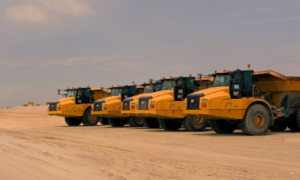
- Construction and Heavy Equipment: Track location and usage for better asset management.
- Shared Fleets: Oversee multiple vehicles efficiently with centralized monitoring.
By leveraging these systems, businesses can improve productivity while enhancing security.
Emerging Trends in Fleet Tracking
- AI-Based Analytics: Predictive insights on routes and vehicle usage.
- IoT Sensor Integration: Monitor fuel levels, engine health, and cargo conditions.
- Mobile Fleet Management: Access real-time data and alerts via smartphones.
- Sustainability Optimization: Reduce fuel consumption and emissions with smart routing.
These trends make fleet GPS trackers a strategic tool for modern business operations.
Conclusion
Fleet GPS trackers in 2026 are essential for optimizing vehicle management, enhancing safety, and improving operational efficiency. With real-time monitoring, route optimization, driver oversight, and maintenance alerts, businesses gain control and confidence over their fleet.
For professional fleet GPS tracking solutions and installation, visit iNeedATracker, where advanced systems ensure vehicles are managed efficiently, securely, and reliably.