
Copy and Save Copy Machine Solutions: Redefining Office Cost Efficiency

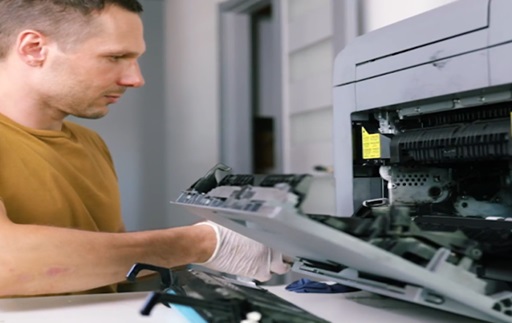
In today’s competitive business landscape, managing operational costs while maintaining efficiency is critical for success. Copy and Save Copy Machine Solutions has emerged as a leader in this arena, offering businesses an innovative way to cut costs significantly without compromising on quality. By providing superior copy machines and maintenance services, Copy and Save helps companies save an average of 35% annually compared to their current contracts.
Cost Savings and Efficiency
The primary advantage offered by Copy and Save Copy Machine Solutions is substantial cost savings. Businesses partnering with Copy and Save experience an average reduction of 35% in their annual expenses related to copy machine services and maintenance. This significant cost reduction is achieved through a combination of advanced technology and efficient service plans designed to minimize downtime and maximize performance.
Innovative Technology
At the core of Copy and Save’s offerings are state-of-the-art copiers that go beyond basic functions. These machines integrate high-speed printing, scanning, and faxing capabilities with user-friendly interfaces, ensuring seamless operation in any business environment. The advanced technology embedded in these copiers not only boosts productivity but also ensures reliability, which is crucial for maintaining smooth business operations.
Comprehensive Maintenance and Support
Copy and Save Copy Machine Solutions prioritizes proactive maintenance to prevent disruptions and ensure the longevity of their machines. Their service plans include regular maintenance checks by skilled technicians, quick-response troubleshooting, and the provision of essential consumables such as toner and paper. This comprehensive approach ensures that businesses can rely on their office equipment to function optimally at all times, thus avoiding costly downtimes.
Flexible Financing Options
Understanding the diverse financial needs of businesses, Copy and Save offers flexible leasing and financing options. These plans are tailored to help businesses acquire high-quality office equipment without the burden of large upfront investments. By spreading payments over manageable installments, companies can better manage their budgets and allocate resources efficiently, all while enjoying the benefits of cutting-edge technology.
Exceptional Customer Service
A key differentiator for Copy and Save Copy Machine Solutions is their commitment to exceptional customer service. From the initial consultation through ongoing support, their dedicated team works closely with clients to understand and meet their unique needs. This customer-centric approach has earned Copy and Save a reputation for reliability and excellence in the industry, ensuring that businesses receive the best possible support and satisfaction.
Enhancing Operational Efficiency
Beyond just providing advanced technology and robust support services, Copy and Save engages with clients to identify and implement opportunities for enhancing operational efficiency. Through detailed workflow assessments and personalized consultations, their experts offer strategic recommendations that help businesses streamline their document management processes, further reducing costs and improving overall efficiency.
Copy and Save Copy Machine Solutions stands out as a transformative partner for businesses looking to significantly reduce their operational costs while maintaining high efficiency. With their focus on innovative technology, comprehensive maintenance, flexible financing, and exceptional customer service, Copy and Save provides a holistic approach to improving office operations. Businesses aiming to cut expenses and optimize their document management systems are encouraged to explore the benefits of partnering with Copy and Save Copy Machine Solutions. For more information on how they can help transform your office operations and achieve substantial savings, visit their website today.







Comment