- Investing in a professional, mobile-first website design can yield a return on investment within 2-4 months.
- Mobile optimization is crucial, as over 62% of traffic comes from mobile devices.
- Generic website templates often fail to meet the specific needs of service-area businesses, such as pest control companies.
- Incorporating trust signals such as licensing and insurance information can significantly enhance credibility.
- Local SEO strategies, such as dedicated service-area pages, improve visibility and attract high-intent leads.
Understanding the Unique Web Design Needs of Pest Control Companies
Pest control businesses face distinct challenges in web design. Potential customers often search for immediate solutions, making it essential for websites to be optimized for high-intent “panic buyers.” Responsive layouts, fast load speeds, and straightforward navigation can dramatically impact whether visitors stay or leave. A mobile-friendly design is critical, as a significant portion of users access services via smartphones. If a pest control website is cumbersome or difficult to use on mobile devices, customers are likely to look elsewhere, even within a matter of seconds.
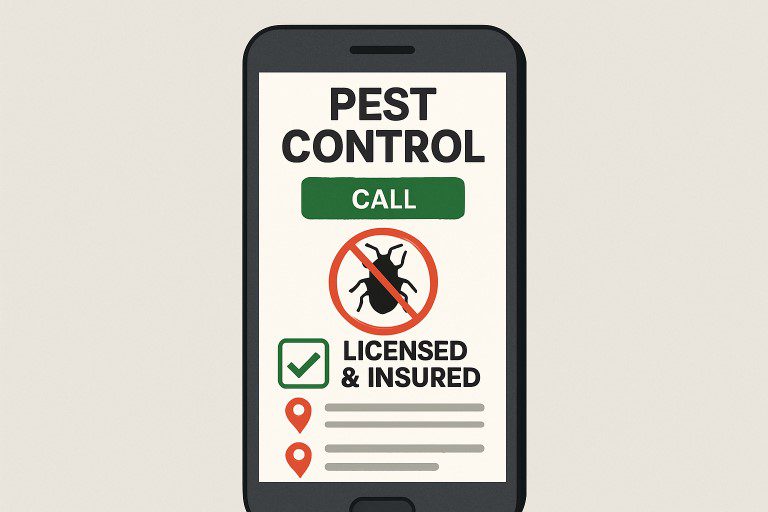
Additionally, displaying clear and visible trust signals, such as licensing and insurance information, can reassure visitors that they’re in good hands. These trust elements can make the difference between a user calling your business or leaving your site for a competitor. Having customer service numbers easily accessible, as well as prominent call-to-action buttons, can also facilitate instant contact, which is often a deciding factor for emergency calls that pest control companies frequently receive.
For a comprehensive understanding of effective web design tailored to pest control companies, consider exploring Cube Creative Design’s pest control website design guide. Based in Arden, North Carolina, Cube Creative Design specializes in digital marketing services for pest control companies, offering insights into creating websites that effectively convert visitors into customers. Their resources break down the nuances of modern web expectations and how pest control brands can stand out in crowded search results with custom strategies that speak directly to their target market’s concerns and search habits.
The ROI of Professional Website Investment
Investing in a professionally developed website is one of the most cost-efficient decisions a business can make. With typical costs ranging from $3,500 to $12,000, the return on investment can often be realized within 2 to 4 months through stronger lead generation and new customer acquisition. Rather than relying on generic templates or DIY platforms, a custom-built site is strategically structured for seamless navigation, persuasive messaging, and clear calls to action, especially when incorporating pest control website conversion optimization to turn visitors into booked appointments.
By focusing on user experience and data-driven design, each site visitor becomes significantly more likely to convert into a paying client, accelerating overall business growth. Additionally, a professionally designed website communicates credibility, trustworthiness, and industry authority. Over time, high-quality development minimizes the need for costly redesigns or urgent technical fixes, reducing long-term expenses. Ultimately, this strategic investment delivers measurable financial returns while strengthening your brand’s reputation and visibility within your local service market.
The Importance of Mobile-First Design
With over 62% of traffic coming from mobile devices, a mobile-first design approach is imperative for pest control websites. Modern consumers expect responsive designs that automatically adjust to their device, whether they’re searching from a phone, tablet, or desktop computer. Without a mobile-optimized experience, businesses risk losing out on a majority of their potential clientele. Ensuring your website is responsive and delivers a seamless user experience across all devices can dramatically improve user engagement and conversion rates. Features like click-to-call buttons, which let users contact your office with a single tap, and easy, thumb-friendly navigation are essential for capturing mobile users who may be seeking urgent pest control solutions. Special touch features, such as floating call or SMS buttons, live chat integrations, and quick-quote forms, offer users an immediate way to reach out, streamline the customer journey, and reduce barriers between the first website visit and booking a service call. Consistent imagery, concise headlines, and brief, action-oriented copy add to the effectiveness of mobile-first designs.
Why Generic Templates Fall Short
Generic website templates often fail to address the specific needs of service-area businesses, such as pest control companies. They might offer basic layouts but typically lack thoughtful customization, flexibility, or features that strengthen your local digital presence. These templates rarely provide dedicated service area pages, which are crucial for ranking well in Google’s search results and attracting local customers seeking nearby pest control experts. Without the ability to fully integrate local SEO strategies, companies miss out on their most valuable potential leads. Furthermore, template-based sites may not offer seamless integration of advanced features, like trust signal displays, local maps, custom quote forms, and reviews, that pest control businesses need to outshine competitors. Custom-designed websites, on the other hand, can fully reflect your brand, utilize unique color palettes, and accommodate features that build customer confidence. They also provide space to display certifications, unique selling propositions, and testimonials, thereby strengthening your connection with your target audience.
Incorporating Trust Signals to Build Credibility
Displaying trust signals such as licensing, insurance information, and customer testimonials can significantly enhance your website’s credibility. When customers land on your site, they want immediate reassurance that your business is legitimate, qualified, and safe to work with. Showcasing local and national certifications, industry memberships, and up-to-date licensing information helps alleviate concerns customers may have about scams or unqualified operators. Furthermore, featuring customer reviews and testimonials directly on service pages can further validate your expertise and reliability. Awards, accreditations, and visual trust badges also help reinforce your professionalism. By including photographs of your team, marked service vehicles, and actual project results, instead of generic stock photos, you create an authentic, approachable presence that can encourage potential customers to reach out. Clearly stating your guarantee policy or customer satisfaction promise can also be a powerful trust booster.
Leveraging Local SEO for Increased Visibility
Implementing local SEO strategies is one of the most effective ways to grow your pest control business online. Creating dedicated service area pages that mention specific towns, neighborhoods, or counties helps your website rank higher in location-based searches. Optimizing pages for local keywords, such as “bed bug removal Asheville” or “termite treatment Arden, NC”, targets searchers who are actively looking for solutions where you operate. Including Google Maps integrations, nearby landmarks, and directions to your office further signals to search engines that you serve your community. Gathering and displaying positive Google Reviews, participating in local business directories, and earning backlinks from regional associations can all drive more high-intent leads to your site. The result: a steady flow of customers who are ready to book appointments with a reputable, local pest control expert instead of a distant or generic company.
Optimizing for Conversion: Best Practices
To maximize conversions, ensure your website has clear calls to action at the top and bottom of every service page, and an intuitive navigation structure that helps visitors find information quickly. Streamlined contact forms that request only essential information can reduce friction and boost form submissions. Add prominent, easy-to-use click-to-call buttons and consider live chat options for those who prefer instant messaging. Providing valuable content, such as pest identification guides, prevention tips, seasonal advice, FAQs, and detailed service descriptions, can engage visitors and establish your authority as a reliable solution provider. Strategically using testimonials, case studies, and before-and-after photos throughout your site can motivate customers to reach out. Also, make sure your website loads quickly and uses reassuring color schemes, since slow or visually confusing websites often drive users away. Helpful micro-interactions, like confirming a form submission with a thank-you message or a call-scheduling widget, can further ensure potential customers follow through on their initial intent to reach you.
Conclusion
In the competitive pest control industry, a well-designed website is a powerful tool for building trust and generating leads. By investing in professional, mobile-first design and incorporating trust signals and local SEO strategies, pest control companies can enhance their online presence and drive business growth. Executing these smart website design strategies generates lasting value, helps your company rise above the competition, and ultimately secures more loyal customers who rely on your expertise to protect their homes and businesses from pests.