Introduction
Vibroacoustic therapy is a gentle healing method that uses low-frequency sound waves and soft vibrations to relax the body and calm the mind. Many people today feel stressed, tired, and overwhelmed, and they look for natural ways to feel better without heavy treatments. This method works by sending soothing vibrations through the body, usually through a special chair, mat, or bed with built-in speakers. These vibrations move through muscles and tissues, helping the body release tension. Over time, many people report better sleep, less pain, improved mood, and a deep sense of peace. It is simple, non-invasive, and easy to experience, which makes it attractive for people of all ages.
What Is Vibroacoustic Therapy?
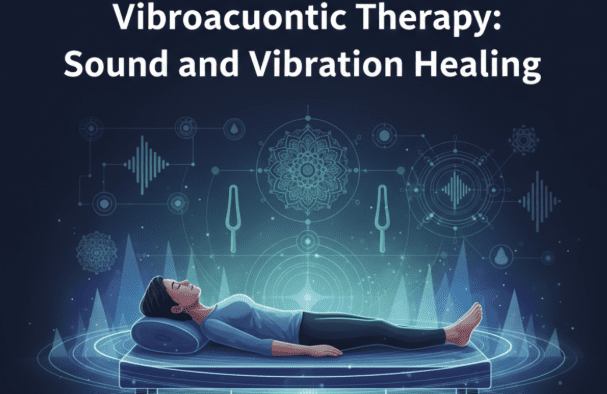
Vibroacoustic therapy is a form of sound-based healing where low-frequency tones are delivered directly to the body through vibration. Unlike regular music listening, this method allows the body to physically feel the sound waves. These vibrations usually range between 20 Hz and 120 Hz, which are low enough to gently stimulate muscles and nerves. The person lies down or sits comfortably while the sound travels through the body. Sessions often last between 20 and 45 minutes and are designed to promote relaxation and natural balance.
How Sound and Vibration Affect the Body
The human body is made mostly of water, and sound travels very well through water. When low-frequency waves move through the body, they create a soft internal massage effect. This can help muscles relax and improve blood flow. The nervous system also responds to steady vibrations by slowing down stress signals. As the body shifts into a calmer state, heart rate and breathing may become steadier. This is why many people feel deeply relaxed during and after a session.
The Science Behind This Therapy
Research shows that low-frequency sound can influence brain waves. When the brain moves into slower patterns, such as alpha and theta states, the body enters a relaxed mode. In this state, the body can repair itself more easily. Studies have also looked at how vibration may help reduce muscle tension and support pain management. While more research is still being done, early results suggest that this method can safely support physical and emotional wellness.
Benefits for Stress and Anxiety
One of the most common reasons people try vibroacoustic therapy is stress relief. Daily life can cause mental pressure, and over time, this affects sleep, mood, and overall health. Gentle vibrations help calm the nervous system and bring the body into a restful state. Many users say they feel lighter, calmer, and more focused after sessions. For people dealing with anxiety, this calming effect can make a noticeable difference.
Support for Pain Management
Chronic pain can reduce quality of life and limit daily activities. Some therapists use vibroacoustic therapy as part of a pain care plan. The vibration helps relax tight muscles and may improve circulation in the affected area. When muscles relax, pressure on nerves can decrease, which may reduce discomfort. People with back pain, joint stiffness, or muscle soreness often report relief after regular sessions.
Help for Better Sleep
Sleep problems are very common today. Stress, worry, and body tension can make it hard to fall asleep or stay asleep. This therapy encourages deep relaxation, which prepares the body for rest. Some people notice they fall asleep during sessions. Over time, better relaxation habits can lead to improved sleep patterns and deeper rest at night.
Emotional and Mental Well-Being
Mental health is just as important as physical health. Sound and vibration can help create a peaceful inner space. When the body feels safe and relaxed, the mind often follows. This therapy may support people who feel low in energy or emotionally overwhelmed. It does not replace medical care, but it can be a helpful addition to a healthy routine focused on balance and self-care.
Use in Special Care Settings
Vibroacoustic therapy is sometimes used in hospitals, wellness centers, and special care facilities. It has been explored for people with developmental conditions, older adults, and those recovering from illness. In these settings, it is often used to create comfort and reduce stress. The gentle nature of the treatment makes it suitable for many individuals who may not tolerate more intense methods.
What Happens During a Session?
A typical session begins with the person lying down on a vibration bed or sitting in a special chair. The therapist selects specific sound frequencies based on the person’s needs. Soft music may also play in the background. As the low tones begin, the body starts to feel steady pulses moving through it. The environment is usually quiet and peaceful, with dim lighting to help relaxation. After the session, many people take a few minutes to rest before standing up.
Is Vibroacoustic Therapy Safe?
This therapy is generally considered safe for most people. It is non-invasive and does not involve medication. However, people with certain medical conditions, such as severe heart problems or pregnancy, should speak to a healthcare professional before trying it. As with any wellness method, it is important to use it under proper guidance and not as a replacement for medical treatment.
Comparing Vibroacoustic Therapy to Other Sound Healing Methods
There are many types of sound-based healing, such as singing bowls, tuning forks, and guided music sessions. What makes vibroacoustic therapy different is that the sound is felt physically through vibration. Instead of only hearing the tones, the body receives them directly. This stronger physical effect is why some people find it more powerful than simply listening to relaxing music.
Who Can Benefit the Most?
People who live with daily stress, muscle tension, or sleep problems may benefit greatly from this therapy. It may also support athletes who need muscle recovery, office workers with back pain, and individuals who want natural relaxation. Because the experience is gentle, it can be suitable for teenagers, adults, and seniors when guided properly.
How Often Should Sessions Be Taken?
The frequency of sessions depends on personal goals. Some people try it once a week for relaxation. Others use it more regularly when managing pain or stress. A trained professional can help decide the right plan. Consistency often brings better results, as the body learns to relax more easily over time.
Informational Table: Key Facts About Vibroacoustic Therapy
| Aspect | Details |
| Main Method | Low-frequency sound vibrations |
| Usual Frequency Range | 20 Hz – 120 Hz |
| Session Length | 20–45 minutes |
| Main Goals | Relaxation, pain relief, stress reduction |
| Equipment Used | Vibration bed, chair, or mat |
| Common Settings | Wellness centers, clinics, therapy rooms |
| Age Suitability | Teens to seniors (with guidance) |
| Side Effects | Rare and usually mild |
Conclusion
Vibroacoustic therapy is a gentle and natural way to support relaxation, ease tension, and improve overall well-being. By combining sound and vibration, it works on both the body and the mind at the same time. Many people find comfort in its calming effect and simple approach. While it is not a cure for serious illness, it can be a helpful addition to a balanced lifestyle focused on health and peace. As more people look for safe and supportive wellness options, this method continues to gain attention for its soothing and restorative experience.
FAQs:
What does vibroacoustic therapy feel like?
It feels like a gentle internal massage created by soft vibrations moving through your body.
How long does one session last?
Most sessions last between 20 and 45 minutes.
Can it help with anxiety?
Many people report feeling calmer and less anxious after sessions.
Is it safe for older adults?
Yes, in most cases, it is safe when guided by a trained professional.
Do I need many sessions to see results?
Some feel benefits after one session, but regular use often gives better results.