A fast network is often attributed to cutting-edge hardware or high-end internet plans. Yet the real backbone of performance is hidden quietly behind walls and ceilings. Structured cabling provides the pathway for every signal to travel. When this foundation is designed well, data will flow smoothly. When neglected, even the most impressive equipment struggles to deliver results.
Enterprises and small businesses alike are realizing that the strength of a network begins at the physical layer. Understanding how structured cabling affects performance helps organizations to avoid slow speeds, unstable connections, and unexpected downtime.
The Hidden Framework Behind Every Network
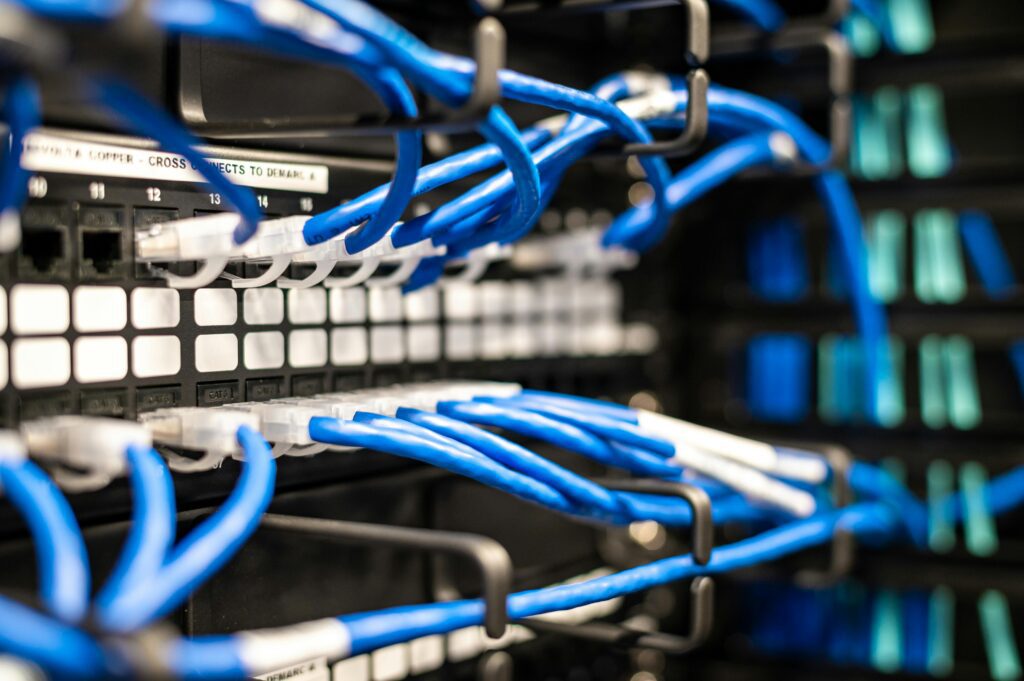
Structured cabling is not just a bunch of wires. It is an organized system that integrates servers, switches, workstations, and wireless access points into a unified architecture.
Standards set by the American National Standards Institute (ANSI) guide the design of these systems. Following these guidelines is another way to ensure consistency, safety and long-term reliability.
Modern Ethernet Cables are designed to reduce interference and maintain signal quality over greater distances. For this reason, many organizations carefully consider Ethernet cable suppliers before making infrastructure decisions, and they want to ensure these products perform as they should and support long-term network stability.
Speed Begins at the Physical Layer
Network speed is not solely determined by bandwidth. The cable category, installation quality, and signal protection all determine the result.
Higher-grade cables offer higher data rates when more care is taken to limit crosstalk and electromagnetic interference (EMI).
The Cat6a Ethernet Cable has seen widespread adoption for various reasons. It is used for high-speed communication, and it does not degrade performance over long runs. Many organizations view it as a sensible step toward preparing for the future without incurring the cost of specialized data center solutions.
When the physical layer works well, applications load faster, files transfer faster, and communication tools feel more responsive.
User Confidence
Employees rarely think about network infrastructure until something fails. Dropped calls, frozen screens, and delayed uploads interrupt workflow and create frustration.
Structured cabling reduces these risks by providing predictable performance. Organized pathways prevent accidental damage. Quality insulation protects signals from external noise. Secure terminations keep connections intact even during heavy usage.
Network stability also supports technologies that depend on continuous connectivity, such as cloud platforms and virtual collaboration spaces. Without a dependable cabling system, these tools cannot operate at their full potential.
Scalability
Growth is a sign of business success, but it often shows weaknesses in network design. Adding new devices to an unstructured environment can be like trying to add to a building without a blueprint.
Structured systems solve this problem by allowing expansion without major disruption. Additional lines can be incorporated into existing pathways, and labeled connections make upgrades easier to control.
Many IT planners now install cabling that is more than can be expected to be used. This way, construction work does not need to be repeated, and long-term expenses are reduced.
One Critical Factor That Deserves Closer Attention
Installation is often underestimated, and it has a determining role in network performance. Even high-quality infrastructure is not enough without precision and careful planning of the setup.
Installation Quality
Attention to detail during the setup process makes the difference between achieving the best performance from a network and having one that struggles from the very beginning.
The following practices have proven especially valuable:
- Careful route planning prevents unnecessary tension on cables
- Certification testing confirms that each link meets performance targets
- Thoughtful cable management improves airflow and simplifies repairs
- Clear labeling reduces confusion during maintenance
- Respecting bend limits protects internal conductors
These steps may seem technical, but their impact is easy to see. Networks constructed with discipline tend to operate quietly in the background, which businesses prefer.
Latency and Signal Integrity
Latency is the time delay in transmitting data from one point to another. While it is often associated with software or routing, physical infrastructure also plays a major role.
Damaged shielding or too much interference for signals to repeat their journey. Each repetition adds delay. Over time, these microdelays accumulate and affect real-time applications such as voice communication and interactive platforms.
For organizations that handle massive amounts of data, even small reductions in latency can significantly improve productivity.
Future Readiness
The amount of global data is continually increasing due to advancements in automation, smart devices, and analytics across industries. Networks need to be ready to facilitate this momentum.
Structured cabling gives that preparation, offering consistency and adaptability. Instead of rebuilding infrastructure every few years, businesses can focus on innovation rather than wondering whether their network is silently supporting new tools.
The Cat6a Ethernet Cable is therefore still a good choice for organizations looking for a tradeoff between current and future capability. Its design aligns with the growing need for faster internal communication without compromising reliability.
Forward-thinking decisions at the cabling stage can be a deciding factor in how comfortable a company will be in adopting new technologies.
Conclusion
Structured cabling is much more than a technical requirement. It is the foundation on which network efficiency is established. Businesses that invest in reliable Ethernet Cables often see increased speed, fewer interruptions and a smooth digital environment.
Choosing one of the Cat6a Ethernet Cables allows organizations to prepare for increased data use while maintaining data stability. When the physical layer is carefully designed, everything above it works more smoothly.