For coffee enthusiasts who refuse to compromise on quality, travel presents a frustrating dilemma. Airport cafes serve overpriced, mediocre brews. Hotel coffee makers produce watery disappointments. Gas station coffee is barely drinkable. Yet that morning ritual of savoring a perfectly crafted espresso feels essential to starting the day right. Whether you’re a business traveler navigating back-to-back meetings, an outdoor adventurer exploring remote trails, or a digital nomad working from different cities each month, access to quality coffee shouldn’t depend on your location. The gap between what travelers need and what’s available has grown increasingly apparent. Traditional brewing methods are too bulky for luggage. Instant coffee lacks the rich flavor and aroma that makes coffee worth drinking. This challenge has left millions of travelers settling for subpar options or spending small fortunes at coffee shops. The solution requires innovation that balances portability with performance, delivering café-quality results without the café itself.
The Problem: Need for a Compact and Efficient Coffee Brewing Solution
Travelers face a persistent challenge when it comes to maintaining their coffee standards away from home. Packing a full-sized espresso machine is impractical, while relying on local coffee shops means unpredictable quality and mounting expenses that quickly add up over a week-long trip. The typical hotel room coffee setup produces weak, flavorless results that barely resemble real espresso. For those venturing into outdoor environments like camping sites or hiking trails, the options become even more limited. Instant coffee packets offer convenience but sacrifice the taste, aroma, and ritual that coffee lovers cherish. French presses are bulky and fragile for travel. Pour-over systems require precise equipment and stable surfaces. This leaves a significant gap in the market for travelers who want authentic espresso without compromising luggage space or settling for inferior alternatives that fail to deliver the caffeine boost and sensory experience they crave.
Introducing the Travel Espresso Maker
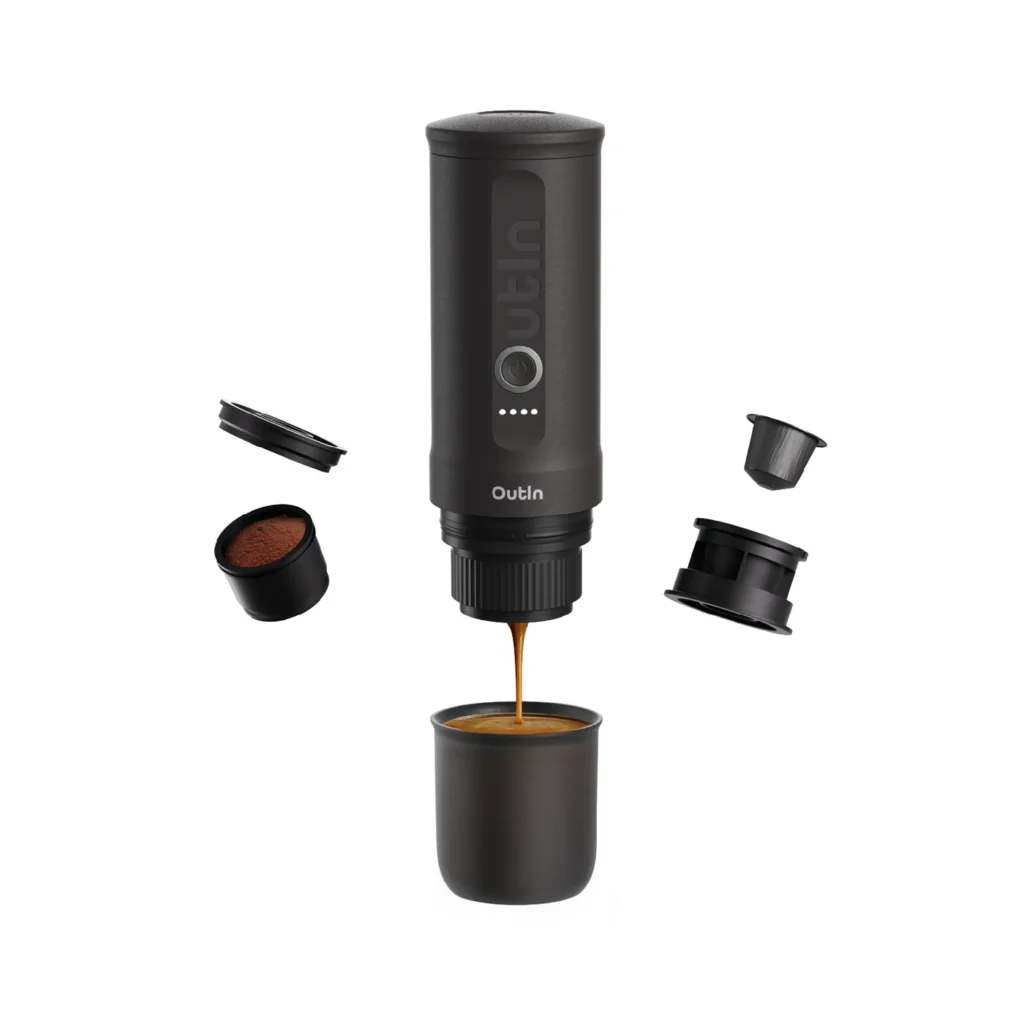
The Travel Espresso Maker transforms how coffee lovers experience their favorite beverage while away from home. This innovative device combines engineering precision with practical design, creating a solution that fits comfortably in a backpack, suitcase, or even a large pocket. Unlike bulky traditional machines, it operates without electricity, relying instead on manual pressure to extract rich, flavorful espresso from freshly ground beans. The device works with hot water from any source—hotel kettles, campfire pots, or thermoses—making it adaptable to virtually any travel scenario. Its durable construction withstands the rigors of frequent packing and unpacking, while the simple mechanism requires no technical expertise to operate. Within minutes of adding coffee grounds and hot water, users can enjoy authentic espresso that rivals what specialty cafes serve, complete with the signature crema layer that distinguishes real espresso from inferior imitations. This breakthrough addresses the fundamental tension between mobility and quality that has plagued traveling coffee enthusiasts for decades.
Key Features of the Travel Espresso Maker
The Travel Espresso Maker distinguishes itself through thoughtful engineering that prioritizes the needs of mobile coffee enthusiasts. Its compact and lightweight design ensures it occupies minimal space in any bag, weighing less than most water bottles while maintaining robust construction that handles daily use. The efficient brewing process leverages manual pressure technology to extract maximum flavor in under three minutes, producing espresso with proper body and crema without requiring electricity or batteries. Versatility defines its functionality—the device accommodates various coffee grounds from fine espresso to slightly coarser blends, and adjusts to different water temperatures for customized strength and flavor profiles. Whether you’re preparing a quick shot before a morning hike or crafting a double espresso in your hotel room, the compact size never compromises performance, delivering consistent results that satisfy even discerning palates accustomed to high-end café standards.
How to Use the Travel Espresso Maker
Operating the Travel Espresso Maker requires no specialized skills or complicated procedures. Begin by heating water to approximately 200°F using whatever heat source is available—a hotel kettle, camping stove, or microwave works perfectly. While the water heats, add one to two tablespoons of finely ground espresso into the device’s brewing chamber, adjusting the amount based on your preferred strength. Once the water reaches the ideal temperature, pour it into the designated reservoir up to the fill line. Securely attach the top chamber and allow the grounds to bloom for about thirty seconds, which releases essential oils and flavors. Apply steady, firm pressure to the plunger mechanism, pushing down gradually over twenty to thirty seconds until you hear the characteristic hiss indicating extraction is complete. The espresso flows directly into your cup, ready to drink immediately or use as a base for lattes and Americanos. After enjoying your brew, simply disassemble the components, rinse with warm water, and allow them to air dry before packing away for your next coffee session.
Benefits of Using the Travel Espresso Maker
The advantages of carrying a Travel Espresso Maker extend far beyond simply having access to better coffee. Fresh espresso on demand means you control every aspect of your brew—from bean selection to strength—ensuring each cup matches your exact preferences regardless of location. The financial savings accumulate quickly when you consider that a single café espresso costs between four and seven dollars, while brewing your own reduces that expense to mere cents per serving. Over a week-long trip, this translates to savings of fifty dollars or more. Environmental benefits matter too, as using your own reusable device eliminates the disposable cups, plastic lids, and single-use pods that contribute to landfill waste. The convenience factor proves invaluable during early morning departures when coffee shops haven’t opened yet, or in remote locations where quality cafes simply don’t exist. This flexibility empowers you to maintain your coffee routine without depending on external schedules or availability, turning any space into your personal café.
Customer Reviews and Testimonials
Sarah Mitchell, a management consultant who travels weekly, shares her experience: “This device has completely changed my morning routine on the road. I no longer waste time searching for decent coffee shops or settling for hotel lobby disappointments.” Mark Torres, an avid backpacker, notes: “I’ve used mine on three continents, from mountain camps to hostels. It’s survived everything I’ve thrown at it and delivers perfect espresso every single time.” Jennifer Lee, a digital nomad working across Southeast Asia, adds: “The money I’ve saved in just two months paid for the device three times over. Plus, I finally have consistent coffee quality no matter which country I’m in.” David Chen, an outdoor photographer, mentions: “I’ve tested various portable options over the years, and my OutIn espresso maker has proven to be the most reliable companion on remote shoots where quality coffee used to be impossible.”
Tips for Maintaining Your Travel Espresso Maker
Proper maintenance ensures your Travel Espresso Maker delivers consistent performance for years of adventures. After each use, disassemble all components and rinse thoroughly with warm water to remove coffee oils and residue that can turn rancid and affect flavor. Avoid using soap unless necessary, as it can leave traces that alter taste. For deeper cleaning, soak parts in a solution of equal parts water and white vinegar once monthly to dissolve mineral buildup from hard water. When storing between trips, ensure all pieces are completely dry to prevent mold growth, and keep the device in a protective pouch or dedicated compartment to avoid scratches or damage from other luggage items. If your model includes rubber seals or gaskets, inspect them periodically for wear and replace when they lose flexibility, as compromised seals reduce pressure and weaken extraction quality.
Elevate Your Travel Coffee Experience
The Travel Espresso Maker represents more than just another travel gadget—it’s a fundamental shift in how coffee lovers experience their journeys. By eliminating the compromise between portability and quality, this device empowers you to maintain the rituals and standards that make coffee meaningful, regardless of whether you’re in a corporate hotel, a mountain cabin, or a beachside hostel. The financial savings, environmental benefits, and sheer convenience combine to create compelling reasons for any traveler who values their coffee to make this investment. No more disappointing hotel brews, no more expensive café stops that derail your schedule, and no more settling for instant coffee that fails to satisfy. Instead, you gain the freedom to craft perfect espresso anywhere, anytime, with minimal effort and maximum reward. For those who’ve struggled to find decent coffee while traveling, or who’ve simply accepted subpar options as inevitable, the Travel Espresso Maker offers a better way forward. Your next adventure deserves better coffee—and now you have the tool to ensure every cup meets your standards, transforming ordinary travel moments into extraordinary coffee experiences that fuel both your day and your passion.