Deep cleaning goes far beyond routine dusting, sweeping, and wiping visible surfaces. It is a comprehensive and detailed cleaning process designed to remove deeply embedded dirt, bacteria, allergens, grease, and buildup that accumulate over time in hidden and overlooked areas of a home or workplace. While regular cleaning maintains basic order and surface-level cleanliness, deep cleaning restores freshness, enhances indoor air quality, and helps preserve the longevity of furniture, appliances, flooring, and structural elements.
In modern living spaces, cleanliness directly affects comfort, productivity, and overall well-being. Dust mites, mold spores, pet dander, and bacteria can settle inside air vents, beneath heavy furniture, behind appliances, and within carpets. Over time, these contaminants circulate through indoor air and may contribute to allergies or respiratory issues. A well-planned deep cleaning routine eliminates these hidden pollutants and creates a safer, healthier environment for everyone inside the space.
What Deep Cleaning Really Means
Deep cleaning is an intensive and systematic cleaning approach that targets areas not typically addressed during daily or weekly maintenance. It includes scrubbing, sanitizing, disinfecting, and restoring surfaces that accumulate grime over months of use. Unlike quick tidying tasks such as vacuuming visible floors or wiping kitchen counters, deep cleaning requires moving furniture, accessing concealed corners, and using specialized tools or cleaning solutions to achieve thorough results.
This process often involves scrubbing grout lines, washing baseboards, cleaning behind refrigerators and ovens, disinfecting high-touch surfaces, removing limescale from fixtures, and thoroughly sanitizing trash bins. Because it focuses on detail and hidden spaces, deep cleaning typically takes more time and effort but produces significantly longer-lasting results.
Why Deep Cleaning Is Essential
One of the most important benefits of deep cleaning is the improvement of indoor air quality. Dust and allergens accumulate in carpets, upholstery, and ventilation systems, where they remain trapped until disturbed. Without periodic deep cleaning, these particles continue circulating throughout the property. Removing them helps reduce allergy triggers and promotes healthier breathing conditions.
Another crucial advantage is the elimination of bacteria and germs. High-touch areas such as doorknobs, light switches, countertops, and bathroom fixtures can harbor microorganisms that routine cleaning may not fully eliminate. Deep cleaning includes proper disinfection, significantly reducing the spread of harmful germs.
Additionally, deep cleaning extends the life of appliances and surfaces. Grease buildup in kitchens, mineral deposits on faucets, and dirt accumulation in air filters can gradually damage materials and reduce efficiency. Regular deep maintenance prevents premature wear and costly repairs.
Beyond physical health, there is also a psychological benefit. A thoroughly cleaned environment feels organized, calm, and refreshing. Clutter and hidden grime can subconsciously contribute to stress, whereas a deeply cleaned space promotes mental clarity and comfort.
Areas That Require Detailed Attention
The kitchen is one of the most demanding areas when it comes to deep cleaning. Grease, food splatters, and moisture create ideal conditions for bacteria growth. Thorough cleaning involves degreasing stovetops, cleaning range hoods, scrubbing tile backsplashes, sanitizing cutting boards, cleaning inside ovens and microwaves, and pulling appliances away from walls to clean underneath. Cabinet handles and drawer knobs should also be disinfected carefully to prevent contamination.
Bathrooms require equal attention due to constant exposure to moisture. Soap scum, mold, and limescale accumulate quickly in showers and around sinks. Deep cleaning in this area includes scrubbing grout lines, descaling showerheads and faucets, disinfecting toilets completely, cleaning ventilation fans, and washing shower curtains and bath mats. Proper sanitation reduces mold growth and maintains a hygienic environment.
Bedrooms and living areas may appear clean on the surface but often hide dust and allergens within soft furnishings. Mattresses should be vacuumed, bedding washed thoroughly, and furniture moved to clean underneath. Ceiling fans, baseboards, blinds, and light fixtures collect dust over time and require careful wiping. Window tracks and corners should also be cleaned to prevent dirt buildup.
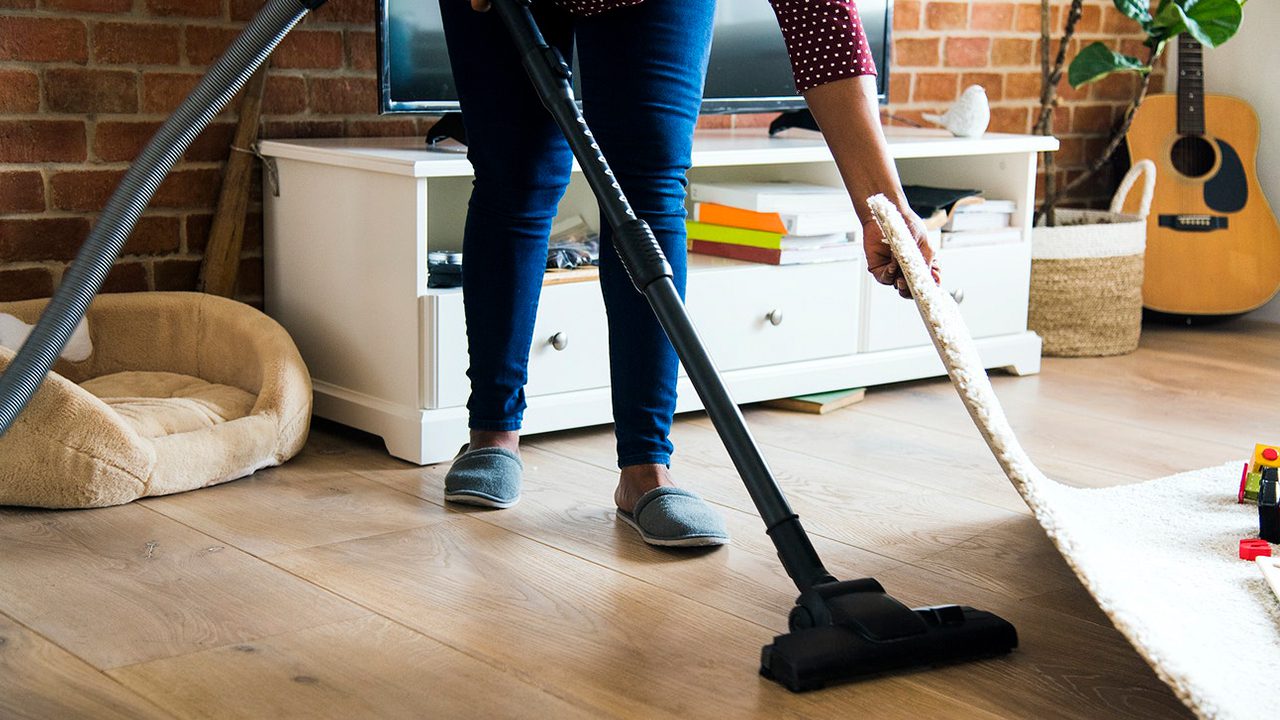
Floors and carpets deserve special focus because they trap dirt beneath the surface. Even frequent vacuuming cannot fully remove embedded debris. Steam cleaning carpets, polishing hardwood floors, scrubbing tile, and cleaning grout lines restore appearance and hygiene while protecting materials from long-term damage.
How Often Deep Cleaning Should Be Done
The frequency of deep cleaning depends on lifestyle, occupancy, and environmental factors. Homes without pets may only require deep cleaning twice a year, while households with pets or children may benefit from quarterly sessions. High-traffic commercial environments often need more frequent intensive cleaning to maintain hygiene standards.
Seasonal deep cleaning, particularly during spring and fall, is a practical strategy for maintaining consistent freshness throughout the year. Kitchens and bathrooms, due to their high usage, should receive deep attention at least every three months to prevent buildup and bacterial growth.
Deep Cleaning Compared to Regular Cleaning
Understanding the difference between regular and deep cleaning helps establish realistic expectations. Regular cleaning focuses on maintaining visible cleanliness by vacuuming, dusting accessible surfaces, and wiping counters. Deep cleaning, on the other hand, targets neglected areas by scrubbing stubborn stains, disinfecting surfaces thoroughly, washing walls and baseboards, sanitizing trash bins, and moving furniture to access hidden spaces.
Routine maintenance keeps spaces orderly, but deep cleaning restores them to optimal condition and prevents long-term deterioration.
Tools and Supplies for Effective Deep Cleaning
Successful deep cleaning requires proper equipment and quality products. Microfiber cloths capture dust efficiently without spreading particles. Scrub brushes help remove stubborn grime, while vacuums equipped with HEPA filters trap fine allergens. Steam cleaners provide chemical-free sanitation, and disinfectants eliminate bacteria effectively. Degreasers are essential for kitchen surfaces, and grout cleaners restore tile joints.
Protective gloves, mops, buckets, and organized cleaning caddies improve efficiency and safety during the process. Investing in durable tools enhances results and reduces effort.
Step-by-Step Approach for Best Results
Beginning with decluttering improves access and efficiency. Removing unnecessary items prevents obstruction and allows thorough cleaning of surfaces. Working from top to bottom ensures that falling dust does not re-contaminate cleaned areas. Ceiling fans, light fixtures, and shelves should be cleaned before floors.
Focusing on one room at a time prevents overwhelm and ensures attention to detail. High-touch surfaces must be disinfected carefully, and floors should always be cleaned last to remove any debris that has fallen during the process.
Advantages of Professional Deep Cleaning Services
While many individuals prefer to handle deep cleaning independently, professional services offer significant advantages. Professionals use advanced equipment and industrial-grade disinfectants that achieve deeper sanitation. Their experience allows them to identify hidden problem areas and address stains, mold, and buildup efficiently.
Hiring experts also saves time and ensures consistency. For individuals with demanding schedules or larger properties, professional assistance can be a practical investment that guarantees comprehensive results.
Maintaining Results After Deep Cleaning
Once a space has been deeply cleaned, maintaining its condition becomes easier. Establishing consistent daily and weekly routines prevents rapid buildup. Wiping kitchen counters daily, vacuuming weekly, cleaning bathrooms regularly, and changing air filters periodically reduce the need for frequent intensive sessions.
Decluttering monthly and addressing spills immediately also preserve cleanliness. Preventive habits extend the benefits of deep cleaning and protect both health and property value.
Final Thoughts
Deep cleaning is not simply an occasional chore but a vital practice for maintaining a healthy, comfortable, and efficient indoor environment. By removing hidden dirt, sanitizing neglected surfaces, and eliminating allergens, this comprehensive process significantly improves air quality and overall well-being. Whether completed independently or with professional assistance, a structured deep cleaning routine transforms living spaces, enhances comfort, and promotes long-term sustainability. With careful planning and consistent maintenance, deep cleaning becomes an investment in both physical health and peace of mind.