
How Long Do IV Drips Last?

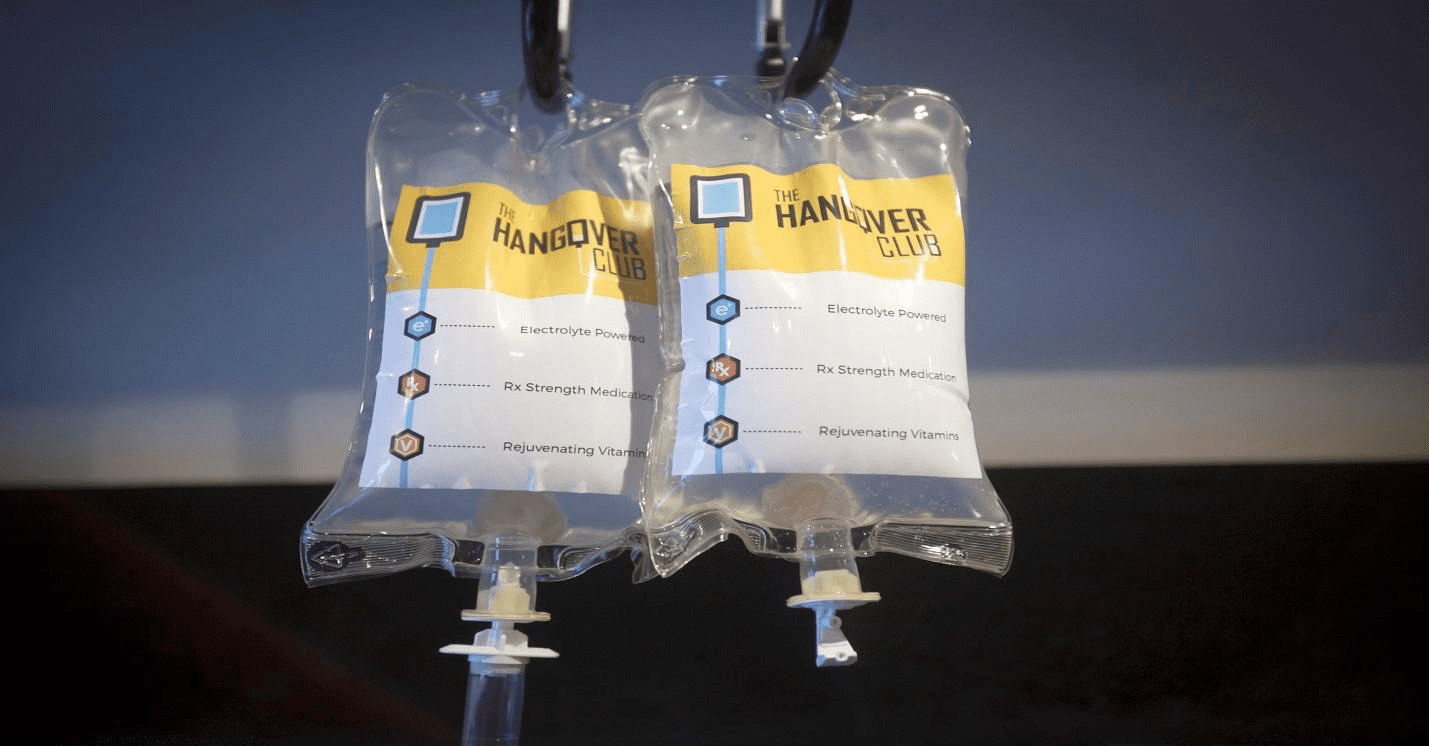
This helps your body hydrate faster and provides essential vitamins and nutrients that you can’t get through drinking alone.
Whether you’re trying to lose weight or cure a hangover, these drips are a fast and effective way to rehydrate and restore lost electrolytes. But how long do these IV fluids last?
IV drips can deliver fluids and nutrients straight to your bloodstream, bypassing the digestive system. This ensures that supplements are completely absorbed for maximum effectiveness.
IV Therapy Lounge
The duration of IV drips can vary depending on the specific treatment, individual factors, and the desired outcome. Typically, IV drips can last anywhere from 30 minutes to a few hours. Some IV therapies, such as hydration drips, may be completed within 30-60 minutes, while more complex infusions, like vitamin or nutrient drips, may require a longer administration time. The healthcare provider or IV therapy specialist will determine the appropriate duration based on the specific treatment plan and the patient’s needs. It’s important to consult with a healthcare professional or visit an IV therapy lounge to understand the recommended duration for a particular IV drip.
Weight Loss & Hangover Help
There is a wide range of IV drip packages designed for specific wellness needs, including immune support, energy, weight loss and hangover help. Some of these include amino acids, which function as a natural caffeine alternative to boost energy without the resulting crash.
The effects of an IV hydration treatment last for several hours. They may even continue for a few days, depending on how dehydrated you were to begin with. The body generally passes out excess IV fluids more quickly than it absorbs them.
Bloodstream
IV drips deliver fluids, electrolytes and vitamins directly into your bloodstream. In some cases, this is the fastest way to get nutrients into your body. This is important because vitamin tablets can sometimes be hard to absorb depending on your diet, digestive system and other factors.
Nutrient-Rich Vitamin IV
Adding a nutrient-rich vitamin IV to your routine can help boost immunity, fight fatigue and reduce the appearance of signs of aging. You can also pair your drip with other wellness therapies for a complete treatment experience.
Many people have started visiting “IV lounges” or “drip bars” to receive intravenous vitamin injections. These new clinics offer a range of drip options designed to help you hydrate, boost energy levels, and improve skin health and more. The infusions are often free of preservatives, GMO, sugar, hexane and heavy metals. IV drips can also be used to deliver anti-aging vitamins that promote cellular rejuvenation and reduce the appearance of fine lines and wrinkles.
Exercise & Balanced Diet
When combined with exercise and a balanced diet, IV therapy can help you lose weight. By providing your body with essential vitamins and nutrients, the treatment helps you burn fat more effectively. This is because the vitamins and nutrients go straight into your bloodstream, bypassing the digestive process.
When injected, the fluid goes to your vein through a catheter. We use a numbing spray to make the insertion as painless as possible. Once we have found a suitable vein, we insert the needle and attach the catheter.
Metabolic Rate
After the fluid is absorbed, your body passes any excess water in urine. This can vary, depending on your metabolic rate and other factors. People with a fast metabolism will excrete the IV fluids more quickly, while those who have a slower rate could have excess fluids in their system longer.
Hangover Symptoms
Getting an IV treatment before going out helps prevent hangovers. IV therapy hydrates the body, flushes out toxins, and delivers vitamins and electrolytes that help with hangover symptoms like headache, nausea, and fatigue.
The drip also works faster than drinking water, particularly when you’re already dehydrated. This is because it puts fluids directly into your bloodstream, rather than requiring your stomach to process them.
Final Thoughts:
The best “cure” for a hangover, however, is drinking in moderation and staying hydrated. Moreover, the IV procedure isn’t covered by insurance and can be pricey for those who want to indulge in the treatment regularly. Additionally, a needle stick is involved and there’s always the risk of infection or a bruise at the injection site. In short, it’s not worth the money or hassle. Unless you’re one of those people who really enjoys drinking and is happy to pay for this luxury.





Comment