Malaysia is entering a new phase of digital tax transformation with the rollout of e-invoicing Malaysia regulations. For businesses of all sizes, this is more than a compliance update, it’s a structural shift in how transactions are recorded, validated, and reported. Preparing early will help you avoid operational disruptions and turn compliance into a competitive advantage.
What Is E-Invoicing Malaysia?
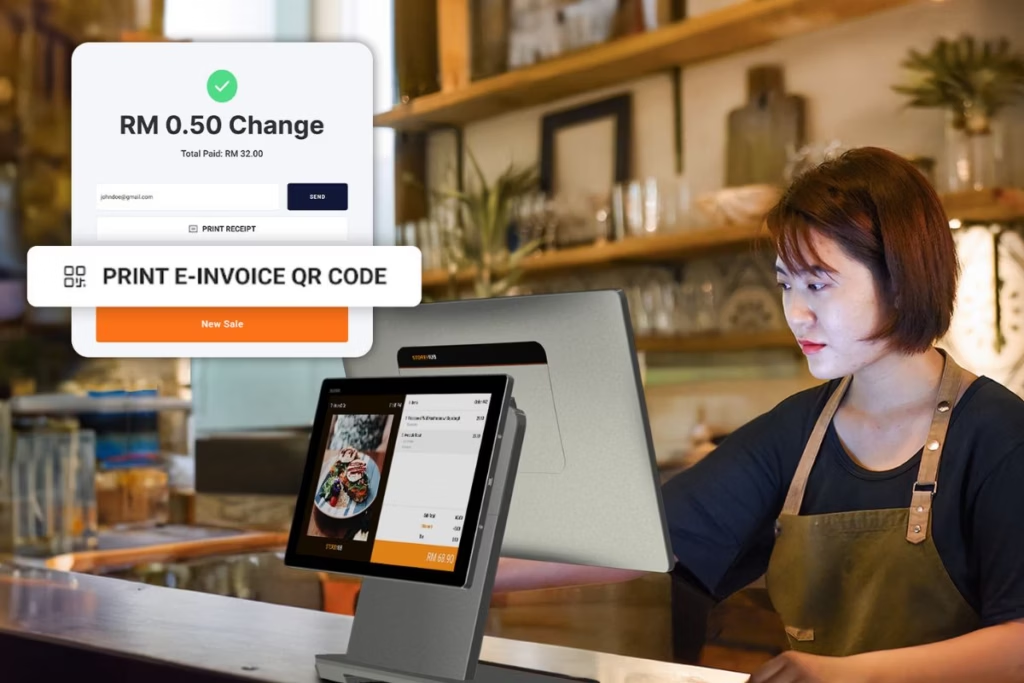
The new e-invoicing framework requires businesses to issue invoices electronically in a structured digital format that can be validated by the tax authority in real time. Instead of sending traditional PDF or paper invoices, companies must generate invoices through approved systems that meet government requirements.
This system improves tax transparency, reduces fraud, and streamlines reporting. However, it also means businesses must upgrade processes, software, and internal workflows.Preparing early will help you avoid operational disruptions and turn compliance into a competitive advantage.
1. Assess Your Current Invoicing System
Start by reviewing how your company currently creates and manages invoices. Are you using manual spreadsheets? A basic accounting tool? Or a fully integrated ERP system?
Identify gaps between your current system and the technical requirements of e-invoicing Malaysia. Most companies will need software upgrades or API integrations to ensure compliance.
2. Choose a Compliant E-Invoicing Solution
Selecting the right technology partner is critical. Look for a solution that:
- Supports Malaysia’s structured invoice format
- Offers real-time validation and reporting
- Integrates with your accounting or ERP software
- Provides secure data storage
A scalable e-invoicing platform ensures you won’t need another transition in a few years as regulations evolve.
3. Update Internal Processes
Technology alone is not enough. Your finance, accounting, and operations teams must understand the new workflow.
This includes:
- Invoice generation procedures
- Validation timelines
- Handling rejected invoices
- Archiving requirements
Provide internal training so your team is confident before the system goes live.
4. Review Data Accuracy
E-invoicing relies heavily on accurate master data. Incorrect tax IDs, inconsistent customer information, or classification errors can cause invoice rejection.
Conduct a data clean-up exercise now. Verify customer and supplier records to prevent delays later.
5. Prioritize Data Security and Privacy
As financial data moves into a real-time digital ecosystem, cybersecurity becomes paramount. Transitioning to e-invoicing means sensitive transaction details are shared via APIs and cloud platforms. Businesses must ensure their chosen software employs robust encryption and complies with the Personal Data Protection Act (PDPA). Implementing strict access controls and regular security audits will protect your company from data breaches while maintaining the integrity of your digital tax records.
6. Plan for a Phased Implementation
Malaysia’s rollout may apply in stages depending on company size and revenue thresholds. Don’t wait until your deadline approaches. Early adoption reduces risk and allows time to fix unexpected issues.
Final Thoughts
The shift to e-invoicing Malaysia is not just about compliance, it’s about modernization. Businesses that prepare strategically can improve efficiency, reduce errors, and gain real-time financial visibility.
Treat this transition as an opportunity to digitize your finance operations fully. With the right system, proper training, and proactive planning, your business can move smoothly into Malaysia’s new digital tax era, confidently and compliantly.