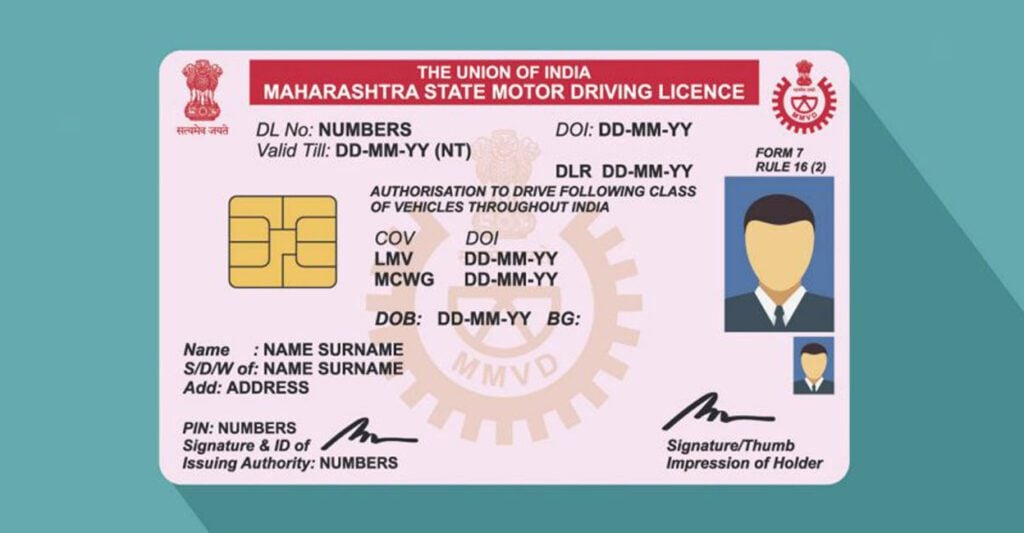
In an ideal world, it would be very simple: when you hop on a plane and fly to a different country, as soon as you land and step out of the airport, you would be able to drive around in your car. Unfortunately, life is not that easy, and even driving around in your own vehicle can become difficult when traveling abroad. Driving licenses are not universally recognized. You need to know whether or not your Indian driving license will suffice for the country you are visiting or if you need an international driving permit.
International Driving Permit
An International Driving Permit (IDP) is a legal document allowing someone with a valid driver’s license from one country to operate motor vehicles in another country without taking a test or applying for a license in that other country. Automobile associations, International Drivers Association, or government agencies issue them under authority granted by the 1979 Convention on Road Traffic.
An IDP is valid for 1 year in most countries, and you must be 18 years old to apply. You should contact the embassy of the countries you plan to visit to determine if they recognize an IDP, what the minimum age requirement is, and if there are any additional documents required to obtain an IDP. Following are the countries where Indian driving license holders can drive:
- European Union Countries
If you want to drive in European Union countries, you will need an International Driving License (IDL) to go along with your Indian Driving License. An IDL is simply a translation of your Indian DL into multiple languages, making it easier for law enforcement officers abroad to understand your license. It provides no additional driving privileges beyond what your Indian license allows, but having one does make it easier for officials to determine that you have a valid license from India.
- New Zealand
A valid Indian driving license holder can obtain a temporary New Zealand Driving License by producing valid documents like Passport, Visa and PIO/OCI Card etc., along with their Indian Driving License while visiting NZ. This temporary NZ License is only valid for 1 year from the date of entry into NZ and can only be used when accompanied by their valid original Indian Driving License.
- South Africa
If you hold a valid driver’s license from your home country, you can drive in South Africa for up to 12 months as a visitor. This also applies to Indian citizens as long as they also have the IDP.
- United Kingdom
Did you know that you can drive in the United Kingdom for up to 12 months on your Indian driving license? You just need to carry the IDP along with your original license when driving in the UK.
- United Arab Emirates
A valid UAE residence visa and valid Indian driving license are mandatory. No test is required, and one can apply for a temporary UAE license at the local Traffic Police Department. The temporary UAE License is valid for 3 months.
- Argentina
Argentina allows Indian citizens to drive with an international driving permit for up to 90 days. This can be obtained in India itself through the Automobile Association of India (AAI) and is valid for six months only.
- Australia
An Indian driving license is valid for up to three months after entering Australia, after which an Australian license should be procured.
- Belarus
Belarus allows Indian citizens with a valid Indian driving license to use the same in Belarus. Still, the language on it must be translated into Russian or English from a notary public, free of charge at the Embassy of Belarus in New Delhi.
- Belgium
The Belgian government permits Indian citizens to drive with a valid Indian driving license for up to three months after arrival in Belgium. After that, a Belgian driver’s license is required. People holding a diplomatic or consular position may drive without getting a Belgian driver’s license, provided they have a valid Indian driver’s license, and their diplomatic credentials are current.
- Australia
You can drive any small car in Australia with your Indian Driving License. However, if you want to drive a heavy vehicle, then you will have to go for an International Driving License, which includes a car and motorcycle.
- France
If you wish to stay in France for more than 1 year, then it is necessary to get a valid French License. Also, if your Indian driving license has expired after one year of stay, it would be illegal to drive in France with your Indian driving license.
- Bosnia Herzegovina
Your Indian license should be valid for at least 6 months after you arrive in the country, and you should have an International Driver Permit (IDP).
- Canada
If you have a valid Indian driving license, you can legally drive in Canada. You will also need to carry an International Driving Permit and your passport while driving.
- United States of America
The United States allows Indians to drive on their roads as long as their driver’s license is valid for a full year and is in English. Driving across America is supposed to be a great experience, so now that you know your driver’s license is valid, there is no reason for you not to set off. With everything in place, it’s time to pack your bags and go.
- Mauritius
People tend to think of Mauritius as an idyllic holiday destination full of white sand beaches, beautiful water, and friendly people. While this image is partially true, surprisingly, Mauritius also has some excellent roads that you can drive on with an Indian driving license.
The Final Word
Driving in a new country can be a daunting task, let alone driving in a new country with an Indian license. If you want to drive in these countries, it is a good idea to research the legal requirements for doing so (as well as the traffic rules with which you should be familiar before arriving). That way, your desired destination won’t mislead you. Each country has its own laws and regulations, and it would be in your best interest to learn what they are before venturing out.