In 2026, the dinner plate is a masterpiece of Precision Engineering. The food sector has reached a “Tipping Point” where technology is no longer just helping us grow food—it is helping us design it at the molecular level. With the global vertical farming market hitting $11.6 billion this year and AI in cultured meat projected to grow by 30% annually, we have entered the age of Food-as-Software (FaS). For a modern Business, the value has shifted from owning land to owning “Bio-Recipes.” Meanwhile, Digital Marketing has transformed into a high-stakes battle for “Culinary Trust,” as brands work to convince a skeptical public that “Cultivated” is the new “Natural.”
The Technological Architecture: From Fields to Bioreactors
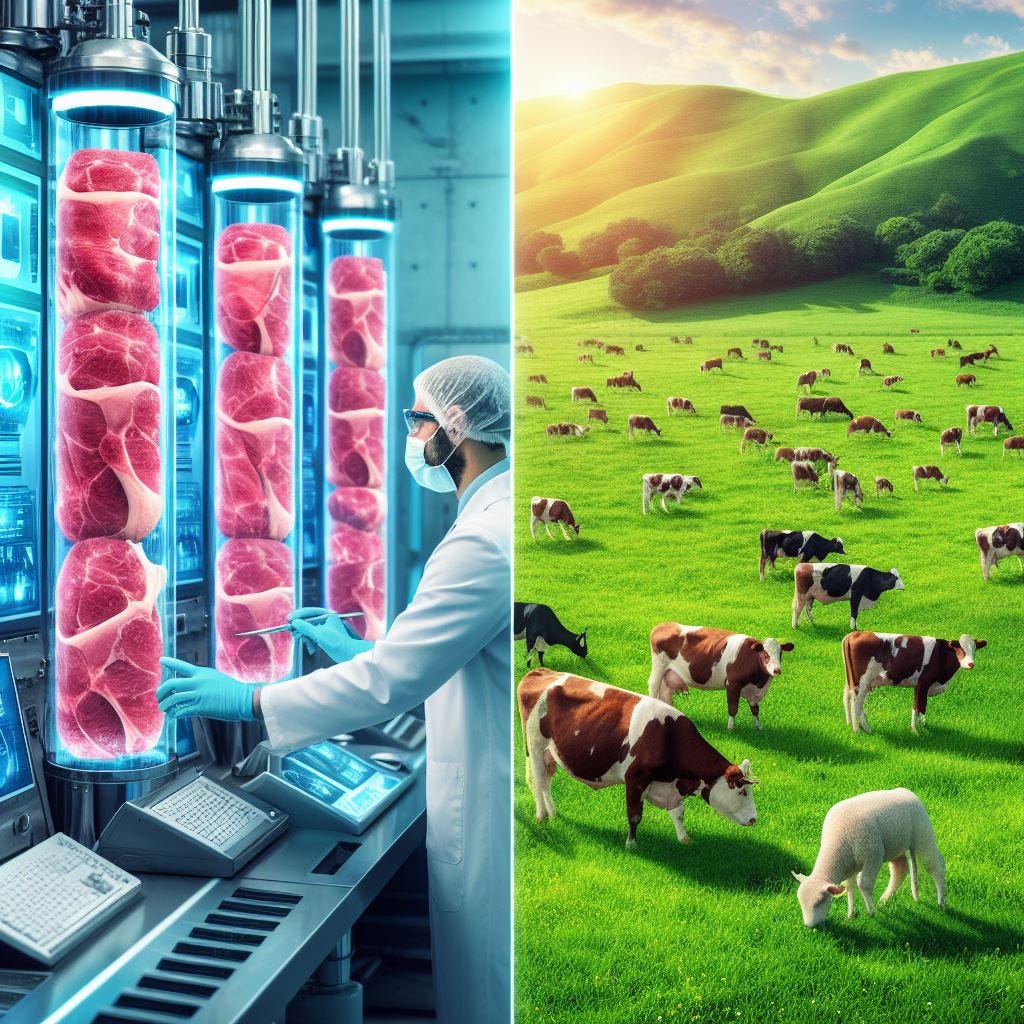
By 2026, the “Farm” has evolved into two high-tech extremes: the Robotized Open Field and the Urban Bio-Lab.
-
The Rise of Food-as-Software: 2026 marks the maturity of Precision Fermentation. Scientists are now “programming” microorganisms to produce specific proteins—like real dairy whey or egg whites—without the animal. These molecular “cookbooks” are digital files that can be sent to bio-foundries anywhere in the world.
-
Vertical Farming 2.0: No longer just for lettuce, 2026 vertical farms are growing dwarf fruit trees and calorie-dense root vegetables. Using Hydroponics and Aeroponics (which use 90% less water than traditional farming), these “Building-Based” farms are being integrated directly into city skyscrapers to eliminate shipping costs.
-
CRISPR & Non-GMO Breeding: 2026 is the year of “Climate-Resilient Crops.” Using Gene Editing, breeders have created wheat and corn varieties that can thrive in the record-breaking heatwaves of 2025-2026 without the regulatory hurdles of traditional GMOs.
Artificial Intelligence: The Chef and the Agronomist
In 2026, Artificial Intelligence is the “Quiet Infrastructure” managing every calorie from seed to stomach.
1. AI-Driven Smart Nutrition
The most significant consumer trend is Precision Nutrition. By 2026, your AI assistant cross-references your Bio-Digital Twin data (Article 46) with your smart fridge. It doesn’t just suggest a meal; it orders ingredients with specific nutrient profiles—like “High-Zinc Spinach” grown in a specific vertical farm—to optimize your metabolic health.
2. The Agentic Crop Doctor
In the fields, Agentic AI has replaced basic dashboards. Autonomous drones and “Weed-Zapping” robots don’t just find pests; they identify the exact subspecies and apply a micro-dose of bio-pesticide only to the affected leaf. This “Leaf-Level” precision has increased agri-chemical efficiency by 40% this year.
3. Generative Flavor Profiling
Food manufacturers are using Generative AI to “hallucinate” new flavors. By analyzing millions of chemical flavor compounds, AI creates “Hybrid Foods”—like a lab-grown protein with the exact texture of Wagyu beef but the flavor profile of a rare, extinct spice—creating a new category of “Impossible Luxuries.”
Digital Marketing: The “Transparency & Taste” War
Digital Marketing in 2026 must overcome the “Uncanny Valley” of lab-grown food.
-
Radical Traceability Marketing: In 2026, “Organic” is a secondary label. The primary label is the “Carbon-Negative Certificate.” Brands are using digital campaigns to show live feeds of their solar-powered bioreactors, proving that their “Lab-Steak” saved 1,000 gallons of water and 50kg of CO2.
-
The “Hybrid” Narrative: Marketing has shifted to “Hybrid Proteins”—blends of 80% plant-based fiber and 20% cultivated animal cells. Marketers sell this as the “Best of Both Worlds”: the ethical profile of a plant with the “Authentic Sizzle” of real fat.
-
AEO (Answer Engine Optimization): As users ask their AI, “Is lab-grown chicken safe?”, brands are flooding the “Reasoning Engines” with peer-reviewed safety data and “Behind-the-Labs” video content to win the trust of the algorithmic gatekeepers.
Business Transformation: The Decoupling of Food & Land
The internal Business model of agriculture is moving from “Volume” to “Value.”
-
Agricultural-Retailer-as-Advisor: Traditional “Seed and Fertilizer” companies have become “Digital Agronomy Partners.” They no longer just sell inputs; they sell “Guaranteed Yields,” using AI to manage the farmer’s land in exchange for a percentage of the profit.
-
The Rise of “Ghost Kitchen Labs”: In 2026, many food brands don’t own factories. They use Shared Fermentation Platforms—modular, industrial-scale labs where they can “rent” a bioreactor to produce their proprietary protein, lowering the barrier to entry for food-tech startups.
-
The “Zero-Waste” Circular Economy: 2026 business logic mandates Upcycling. AI-driven systems now identify “Waste Streams”—like spent grain from a brewery—and automatically route them to be used as the “Growth Media” for the next batch of lab-grown leather or protein.
Challenges: Regulatory Bans and “Cultural Protectionism”
Despite the tech, 2026 is a year of “Food Wars.”
-
The Regulatory Mosaic: While the UK, Singapore, and the US have accelerated approvals, 2026 has seen bans on cultivated meat in Italy and several US states (like Florida and Alabama). The professional challenge is navigating a “Divided Plate,” where high-tech food is legal in one city and a misdemeanor in the next.
-
The “Ultra-Processed” Backlash: A major 2026 marketing hurdle is the “Naturalist Movement.” Critics argue that “Food-as-Software” is just a new form of “Ultra-Processed Food,” forcing tech companies to reformulate their products with “Clean Labels” and fewer additives.
Looking Forward: Toward “Universal Nutrition”
As we look toward 2030, the “Food Sector” is moving toward “Planetary Abundance.” We are approaching a world where the combination of Vertical Farming and Cellular Agriculture could theoretically feed 10 billion people while returning 80% of current farmland back to nature.
Conclusion
The convergence of Technology, Business, Digital Marketing, and Artificial Intelligence has turned “Eating” into an act of “Sustainability.” In 2026, the winners are those who can prove that high-tech food doesn’t just save the planet—it tastes better than the original. By embracing “Intelligent Food,” the leaders of 2026 are ensuring that the future of the human race is as healthy as it is delicious.