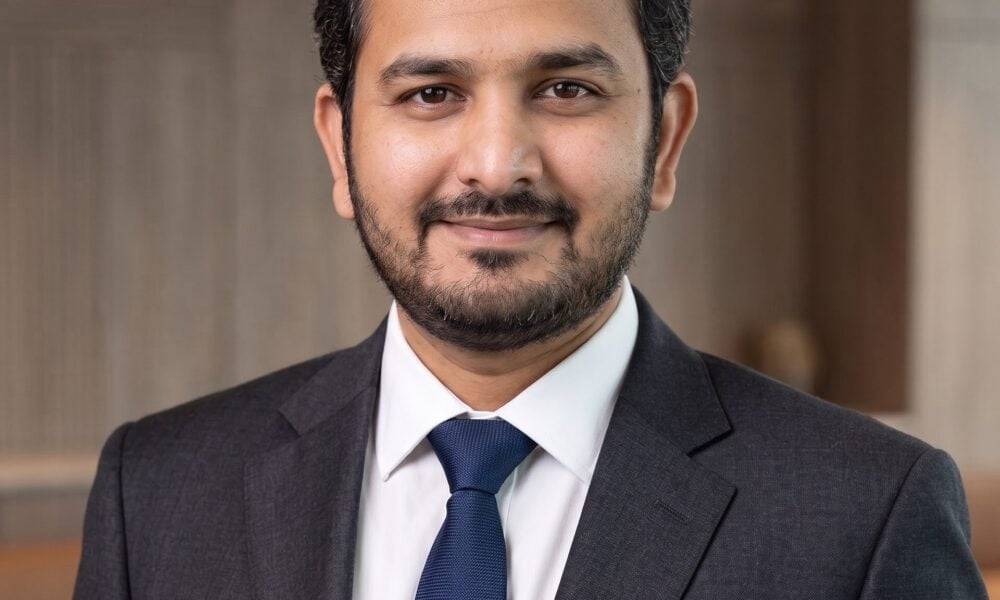
ITARSI, MADHYA PRADESH, INDIA — August 2026: Academic leadership, educational advancement, and community enrichment take center stage as Dr. Michael M. Thomas steps into a more prominent, direct executive oversight with Central India Outreach and Royal Trinity School. Having served as Chief Operating Officer since 2010 alongside extensive international professional leadership engagements across the UK, USA, and globally, he is transitioning from the medical realm to establish a full-time local presence in India.
Rooted in a deeply established family background of public service and community stewardship, carried forward from the foundational work of Dr. Kurien Thomas and Dr. Matthew K. Thomas, Dr. Michael M. Thomas continues to direct strategic operations for educational growth, youth empowerment, and regional development, building upon his international professional background. This ongoing mission emphasizes the modernization of institutional frameworks, the enhancement of student resources, and the creation of sustainable community programs designed to uplift families and foster long-term regional development across multiple generations.
Alongside him in this shared journey is his wife, Dr. Praisey Thomas, née Yesudas. While continuing to actively support community outreach initiatives and educational programs, Dr. Praisey Thomas maintains her dedicated professional career as a medical officer and dental surgeon serving at Dr. Shyama Prasad Mukherjee Civil Hospital in Itarsi, Madhya Pradesh, India, balancing clinical practice with shared community engagement. Her commitment to public health seamlessly intersects with the broader institutional goals of their mission, providing holistic care and wellness support to the communities they serve.
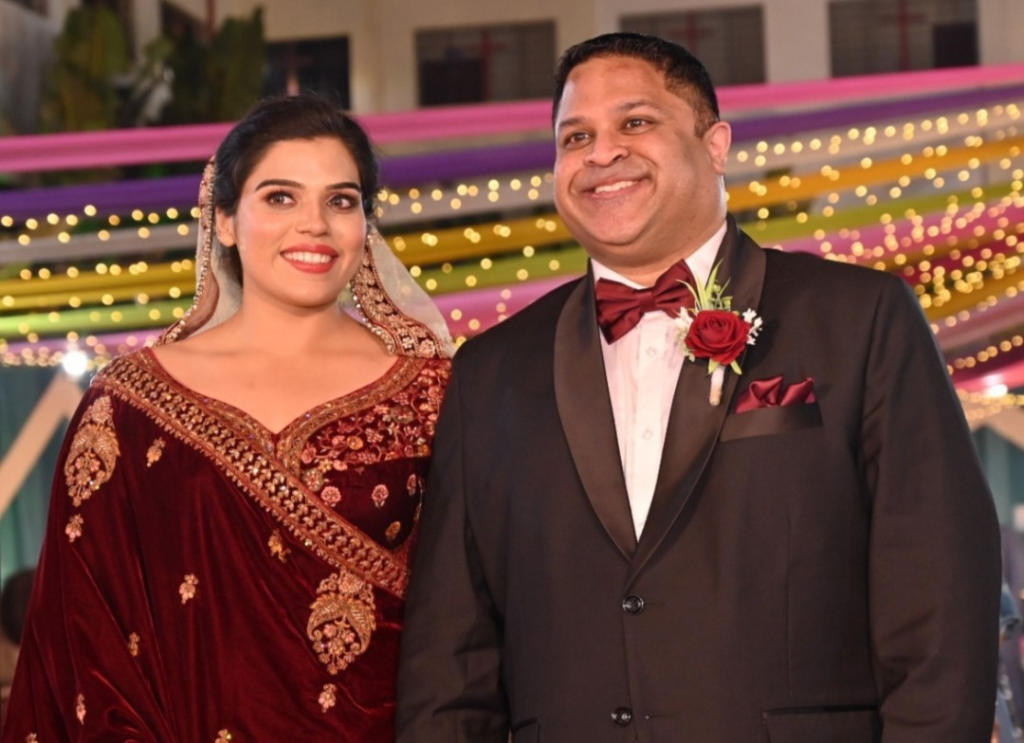
The couple, who were married on March 27, 2025, in PCG, Itarsi, Madhya Pradesh, India, maintain their official digital hub at michaelandpraiseythomas.com to connect their professional endeavors and shared milestones. Through this digital platform, supporters, institutional partners, and community members can follow their ongoing initiatives, philanthropic projects, and professional milestones.
Looking ahead, the primary focus remains firmly on expanding the institutional and academic reach of Central India Outreach and Royal Trinity School, empowering youth, supporting comprehensive education, and upholding a multi-generational legacy of public service. By combining innovative administrative strategies with compassionate community outreach, the leadership aims to shape a brighter, more resourceful future for the next generation of students and families.
Media Contact
Company Name: Central India Outreach
Contact Person: Michael Thomas
Email: [email protected]
Country: United States
Website: https://michaelandpraiseythomas.com/