In the ever-expanding realm of digital finance, tools such as multi-currency crypto wallets, wearable tech, and payment gateways are reshaping how we interact with cryptocurrencies. Enter Tangem Wallet, which is making waves with its unique ring-shaped hardware wallet that combines digital assets with traditional commitments. On another front, crypto payment gateways are becoming indispensable for businesses by enabling secure, borderless transactions.
Plus Wallet is leading the charge with its rapid 15-minute token listings, robust multi-asset management, and even invoicing capabilities for businesses. This functionality allows users to seamlessly manage both personal and business transactions on a single platform, highlighting the brisk pace at which web3 technology is evolving to meet rising demands for innovative tools.
Tangem Wallet’s Crypto Ring: Merging Tradition with Digital Finance
Tangem Wallet is breaking new ground by weaving cryptocurrency into the fabric of daily life with its stylish, ring-shaped hardware wallet. This isn’t just about fashion—it’s about functionality. The wallet enables couples and partners to securely manage shared digital assets, making it perfect for weddings, partnerships, or corporate collaborations. Tangem’s crypto ring is a unique blend of age-old commitments with the modern digital economy.
The ring also paves the way for applications in inheritance, joint asset management, and exclusive memberships, offering new avenues for practical, shared usage of cryptocurrencies. By making asset management more accessible and portable, Tangem Wallet is changing how people engage with digital currencies.
The Critical Role of Crypto Payment Gateways in Modern Business
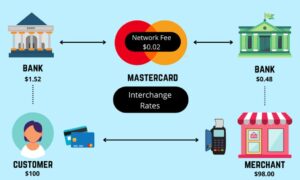
As 2024 approaches, crypto payment gateways are proving to be essential for businesses that want to stay ahead. These gateways facilitate swift, secure, and limitless transactions, providing a competitive edge for global business operations. By adopting a crypto payment system, businesses can draw in tech-savvy customers and streamline international transactions without worrying about currency conversions.
With the rising demand for alternative payment methods, integrating a crypto payment gateway can boost customer interaction and foster business growth. Companies can now choose from a range of gateways that best meet their needs based on transaction fees, security measures, and cryptocurrency support.
Instant Listings, Total Control – A Plus Wallet Exclusive
In the crypto sphere, Plus Wallet stands out with its remarkably fast token listing process. Unlike other wallets that might take weeks to list new tokens, Plus Wallet does it in just 15 minutes. This rapid service allows token issuers swift market entry and provides traders with nearly instant access to new investment opportunities, minimizing wait times and enabling quick action on market shifts.
Another standout feature of Plus Wallet is its capacity to manage multiple wallets and cryptocurrencies on a single platform. This capability spares users the hassle of toggling between different wallets or platforms, streamlining the process and making it easier to keep track of various assets efficiently.
Plus Wallet also excels with features that support broader financial activities, including an invoicing tool that allows both individuals and businesses to issue invoices in cryptocurrencies or USD. This not only adds versatility but also enhances the functionality of Plus Wallet, transforming it from a mere storage unit into a comprehensive financial management tool.
Key Insights
From Tangem Wallet’s innovative approach to asset sharing to the tangible benefits of crypto payment gateways, the landscape of digital finance is evolving rapidly. Plus Wallet emerges as a leading contender among multi-currency crypto wallets, with its immediate token listings, multi-wallet support, and invoicing capabilities making digital asset management both user-friendly and beneficial.
As the need for versatile crypto solutions grows, Plus Wallet’s extensive features offer a compelling way to simplify and enhance crypto management, positioning it as the go-to choice for users aiming to maximize their digital assets.
Discover Plus Wallet:
- Website: https://pluswallet.app/
- Download: https://onelink.to/pluswalletapp
- Twitter: https://x.com/pluswalletapp
- Instagram: https://www.instagram.com/pluswallet.app/