Cloud computing has fundamentally transformed how businesses operate, store data, and deliver services. What began as a simple method of remote data storage has evolved into a powerful ecosystem that drives digital transformation, innovation, and global connectivity. Today, organizations of all sizes rely on cloud platforms to enhance scalability, reduce operational costs, and improve efficiency. As technology continues to advance, cloud computing remains at the center of modern business strategy.
Understanding Cloud Computing
Cloud computing refers to the delivery of computing services—including storage, processing power, networking, databases, and software—over the internet. Instead of maintaining physical servers and infrastructure on-site, businesses can access these resources through cloud service providers.
The three main service models of cloud computing are:
Infrastructure as a Service (IaaS): Provides virtualized computing resources such as servers and storage.
Platform as a Service (PaaS): Offers development platforms for building and deploying applications.
Software as a Service (SaaS): Delivers software applications through web browsers without local installation.
Major providers like Amazon Web Services, Microsoft Azure, and Google Cloud dominate the global cloud market, offering a wide range of solutions tailored to business needs.
The Early Days of Cloud Technology
The concept of cloud computing dates back to the 1960s when computer scientists envisioned shared computing resources accessible via networks. However, it was not until the early 2000s that cloud computing became commercially viable.
The launch of Amazon Web Services (AWS) in 2006 marked a significant milestone. Businesses could now rent computing power and storage on demand instead of investing heavily in physical hardware. This pay-as-you-go model revolutionized IT infrastructure and reduced barriers to entry for startups.
Over time, improvements in internet speed, virtualization technology, and data center efficiency accelerated cloud adoption across industries.
Business Benefits of Cloud Computing
Cloud computing offers numerous advantages that drive its widespread adoption.
Cost Efficiency
Traditional IT infrastructure requires significant capital investment in hardware, maintenance, and upgrades. Cloud computing eliminates these upfront costs by providing subscription-based pricing models. Businesses pay only for the resources they use, improving financial flexibility.
Scalability and Flexibility
Cloud platforms allow organizations to scale resources up or down instantly based on demand. This is particularly valuable for e-commerce companies during peak shopping seasons or startups experiencing rapid growth.
Remote Accessibility
Cloud services enable employees to access data and applications from anywhere with an internet connection. This flexibility supports remote work and global collaboration.
Improved Collaboration
Cloud-based tools allow teams to collaborate in real time on documents, projects, and communication platforms. This enhances productivity and streamlines workflows.
Cloud Computing and Digital Transformation
Cloud technology is a key driver of digital transformation. Businesses are integrating cloud solutions with artificial intelligence (AI), big data analytics, and Internet of Things (IoT) systems to gain deeper insights and automate operations.
For example, companies use cloud-based analytics to process massive datasets and generate predictive insights. Retailers analyze customer behavior to personalize marketing campaigns, while manufacturers optimize supply chains using cloud-powered data platforms.
Cloud computing also accelerates software development through DevOps practices and continuous integration/continuous deployment (CI/CD) pipelines. Developers can quickly build, test, and deploy applications without managing complex infrastructure.
Hybrid and Multi-Cloud Strategies
As cloud adoption grows, many organizations are adopting hybrid and multi-cloud strategies.
Hybrid Cloud: Combines private on-premises infrastructure with public cloud services.
Multi-Cloud: Uses multiple cloud providers to avoid vendor lock-in and improve redundancy.
These approaches offer flexibility, enhanced security, and better performance optimization. Businesses can store sensitive data in private environments while leveraging public cloud scalability for less critical workloads.
Security and Compliance Considerations
While cloud computing provides numerous benefits, security remains a top concern. Businesses must protect sensitive data from cyber threats and unauthorized access.
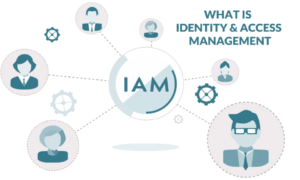
Cloud providers invest heavily in security infrastructure, including encryption, identity management, and monitoring systems. However, organizations share responsibility for securing their data through proper configurations and access controls.
Compliance with regulations such as data protection laws is essential. Industries like healthcare and finance must ensure that cloud services meet strict security standards.
Zero-trust security models, multi-factor authentication, and continuous monitoring are increasingly used to strengthen cloud security frameworks.
Cloud Computing and Innovation
Cloud computing fosters innovation by lowering technical barriers. Startups can launch global applications without massive infrastructure investments. Entrepreneurs can experiment with new ideas quickly and cost-effectively.
Large enterprises also benefit from cloud-enabled innovation. Cloud-based machine learning tools allow companies to build AI applications without deep technical expertise. Real-time analytics platforms enable faster decision-making.
Cloud computing supports emerging technologies such as serverless computing, edge computing, and containerization. These innovations improve efficiency and application performance while reducing operational complexity.
Challenges Facing Cloud Adoption
Despite its advantages, cloud computing presents certain challenges.
Data Migration Complexity
Migrating legacy systems to the cloud can be complex and time-consuming. Organizations must carefully plan transitions to minimize disruptions.
Downtime Risks
Although cloud providers offer high reliability, outages can occur. Businesses should implement backup and disaster recovery strategies to ensure continuity.
Vendor Lock-In
Relying heavily on a single cloud provider may limit flexibility. Multi-cloud strategies can mitigate this risk.
Cost Management
While cloud services reduce upfront expenses, improper resource management can lead to unexpected costs. Monitoring usage and optimizing workloads is essential.
The Future of Cloud Computing
The future of cloud computing is closely tied to emerging technologies. Edge computing, which processes data closer to its source, will complement cloud systems by reducing latency.
Artificial intelligence integration will continue to enhance cloud services, enabling smarter automation and predictive analytics. Quantum computing may eventually transform cloud processing capabilities.
Sustainability is also becoming a priority. Cloud providers are investing in energy-efficient data centers and renewable energy sources to reduce environmental impact.
As digital transformation accelerates, cloud computing will remain central to business innovation and global connectivity.
Conclusion
Cloud computing has evolved from a simple storage solution into a powerful platform that drives modern business operations. By offering scalability, cost efficiency, and accessibility, cloud services empower organizations to innovate and compete in a digital economy.
While challenges such as security and cost management require careful attention, the benefits of cloud adoption far outweigh the risks. As technologies like AI, edge computing, and sustainability initiatives continue to advance, cloud computing will play an even greater role in shaping the future of business.
In a world increasingly defined by digital transformation, the cloud is not just an option—it is a strategic necessity.