KaJ Labs submits a strategic acquisition proposal for DappRadar to expand FurGPT’s ecosystem reach and decentralized AI capabilities.
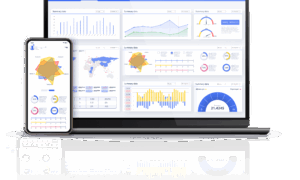
Singapore, SG – November 18, 2025 – FurGPT (FGPT) developer KaJ Labs has made a $50 million acquisition offer for DappRadar, the global analytics platform known for tracking decentralized applications and ecosystem activity across multiple blockchains. The proposed acquisition aims to strengthen FurGPT’s ecosystem intelligence, expand its multichain visibility, and accelerate the development of AI-driven companion technologies connected to real-time Web3 data.
If completed, the acquisition would allow FurGPT to incorporate DappRadar’s analytics stack into its infrastructure—enabling more dynamic behavioral learning models, improved community tools, and expanded cross-platform engagement data to support FGPT token utility. The integration would also extend FurGPT’s reach to millions of users analyzing decentralized markets, creating new opportunities for deeper AI-companion adoption.
“DappRadar has become a core discovery engine for the decentralized world, and integrating that intelligence into FurGPT would expand what AI companionship can become,” said J. King Kasr, Chief Scientist at KaJ Labs. “Our proposal reflects a long-term vision for emotional AI, data transparency, and multichain evolution.”
KaJ Labs stated that conversations with DappRadar’s leadership are ongoing. The proposed acquisition reflects a broader strategy to position FurGPT as a leading AI ecosystem with real data intelligence, enriched personalization, and globally accessible companion utilities.
About FurGPT
FurGPT merges adaptive artificial intelligence with blockchain transparency to create emotionally aware, lifelike digital companions. Through behavioral learning, multimodal interaction, and decentralized governance, FurGPT empowers users to engage in meaningful and personalized AI experiences across multiple chains.
Media Contact
Dorothy Marley
KaJ Labs
+1 707-622-6168
Social Media
FurGPT merges adaptive artificial intelligence with blockchain transparency to create emotionally aware, lifelike digital companions. Through behavioral learning, multimodal interaction, and decentralized governance, FurGPT empowers users to engage in meaningful and personalized AI experiences across multiple chains.FurGPT merges adaptive artificial intelligence with blockchain transparency to create emotionally aware, lifelike digital companions. Through behavioral learning, multimodal interaction, and decentralized governance, FurGPT empowers users to engage in meaningful and personalized AI experiences across multiple chains.FurGPT merges adaptive artificial intelligence with blockchain transparency to create emotionally aware, lifelike digital companions. Through behavioral learning, multimodal interaction, and decentralized governance, FurGPT empowers users to engage in meaningful and personalized AI experiences across multiple chains.FurGPT merges adaptive artificial intelligence with blockchain transparency to create emotionally aware, lifelike digital companions. Through behavioral learning, multimodal interaction, and decentralized governance, FurGPT empowers users to engage in meaningful and personalized AI experiences across multiple chains.FurGPT merges adaptive artificial intelligence with blockchain transparency to create emotionally aware, lifelike digital companions. Through behavioral learning, multimodal interaction, and decentralized governance, FurGPT empowers users to engage in meaningful and personalized AI experiences across multiple chains.FurGPT merges adaptive artificial intelligence with blockchain transparency to create emotionally aware, lifelike digital companions. Through behavioral learning, multimodal interaction, and decentralized governance, FurGPT empowers users to engage in meaningful and personalized AI experiences across multiple chains.FurGPT merges adaptive artificial intelligence with blockchain transparency to create emotionally aware, lifelike digital companions. Through behavioral learning, multimodal interaction, and decentralized governance, FurGPT empowers users to engage in meaningful and personalized AI experiences across multiple chains.