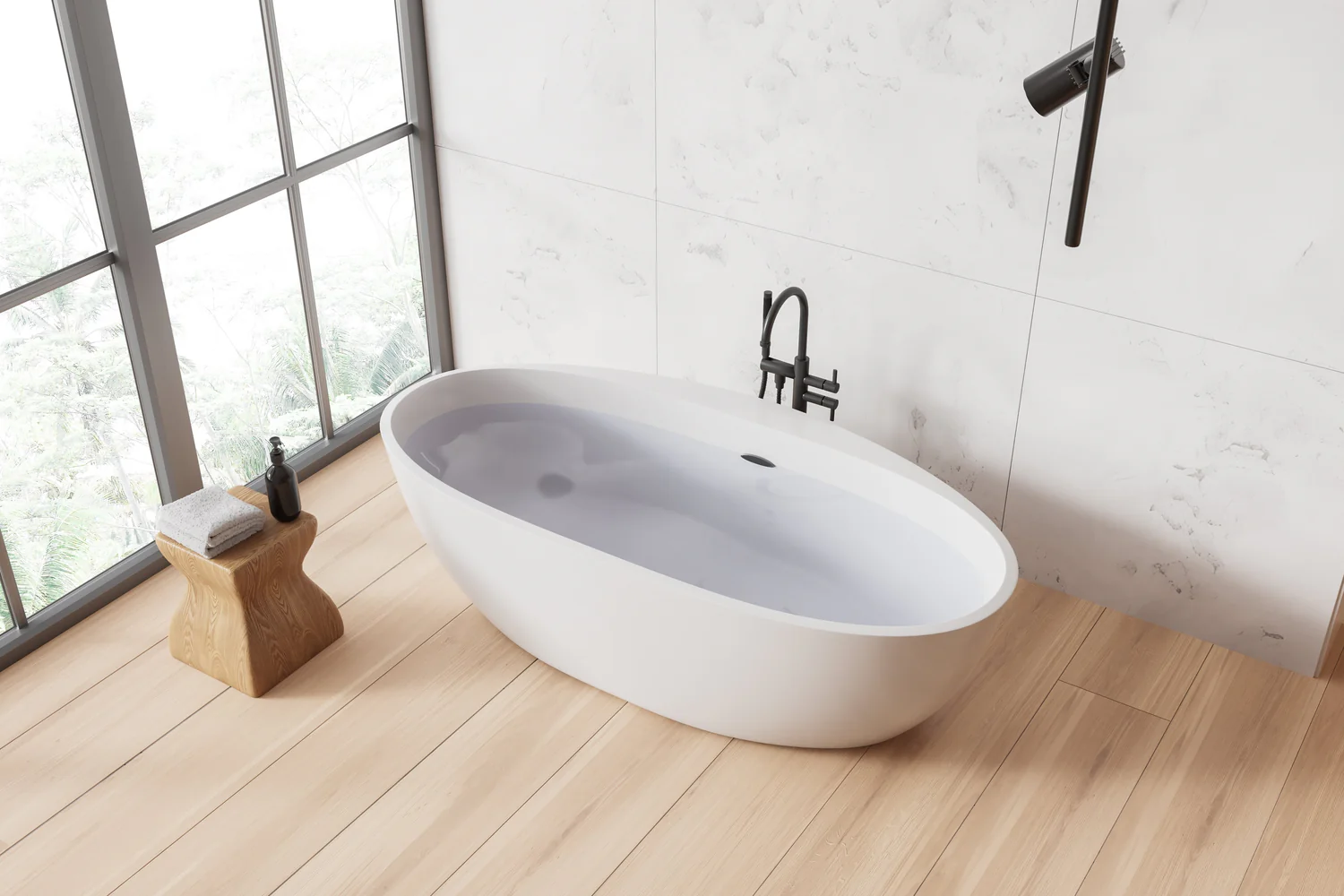
Okay, so here’s the thing about choosing a freestanding tub with jets — nobody tells you how complicated it actually is until you’re standing in someone’s half-renovated bathroom at 7 AM, coffee in hand, staring at a tub that’s… well, let’s just say it’s not gonna fit through the doorway. Yeah. That happened to me, Catrice, about three years into my design career, and I still cringe thinking about it.
But after more than a decade of helping clients pick out jetted tubs, I’ve learned a few things. And honestly? The process doesn’t have to be as stressful as we make it.
Why Get a Jetted Tub
A freestanding jetted tub isn’t just about luxury — though, yeah, it’s definitely that too. It’s about creating a space where you can actually unwind. I mean, when’s the last time you really relaxed? Like, actually felt your shoulders drop and your brain quiet down?
The jets do more than just bubble. They target sore muscles, help with circulation, and if you’ve got back problems (which, let’s be real, who doesn’t after sitting at a desk all day), they’re kind of a game changer. One of my clients, a nurse who works 12-hour shifts, told me her jetted tub was better than any massage she’d ever gotten. And she wasn’t exaggerating.
Plus — and this is something people don’t think about — a quality jetted tub from a solid brand like ANZZI can actually increase your home’s resale value. Buyers love seeing a spa-like bathroom. It’s one of those features that makes people go, “Okay, yeah, I could live here.”
Measure Your Space First
Here’s where most people mess up. They fall in love with a tub online, order it, and then… surprise. It doesn’t fit. Or it fits, but there’s no room to actually walk around it. Or the door won’t close anymore.
So before you do anything else, grab a tape measure. I know, it’s boring. But trust me on this. You need to measure the space where the tub’s going, all doorways it needs to pass through including the one into your house, hallway width if you’re upstairs, and ceiling height especially if you’ve got a sloped ceiling situation.
And here’s the thing nobody mentions — leave at least 6 inches of clearance on all sides. You need room to clean around it, room to step in and out safely, room for towels and… you get the idea. ANZZI offers a range of sizes, from compact 59-inch models to spacious 71-inch options, so you’ve got flexibility. But you still gotta measure first.
I usually tell clients to tape out the dimensions on their bathroom floor with painter’s tape. Sounds silly, but it works. You can walk around it, visualize it, see if it feels cramped or spacious.
Don’t Forget About Doorways
That bathroom I mentioned earlier? The tub was 67 inches long. The doorway was 28 inches wide. Math wasn’t matching, as my daughter would say. We ended up having to bring it in through a window, which added like $500 to the install cost. Not ideal.
Most freestanding tubs can angle through a standard 30-inch doorway if you’ve got help and patience. But check the dimensions carefully — especially the width and height of the tub when it’s tilted.
Understanding Different Jet Types
Okay, so not all jets are created equal. And this is where it gets kinda technical, but I’ll keep it simple.
Whirlpool jets use water pressure. They’re powerful, target specific areas, and they’re great for muscle relief. The ANZZI Leni Series has these, and honestly? They’re my go-to recommendation for clients with chronic pain issues. The jets are adjustable too, which is clutch because not everyone wants hurricane-force water blasting at them.
Then you’ve got air jets. These are gentler — more of a soft, all-over bubble massage. They’re quieter too, which matters if you’re the type who likes to soak and read or listen to music without competing with jet noise. The Julia Series from ANZZI combines both air and whirlpool jets, which… yeah, that’s the dream setup if your budget allows it.
And some tubs have combination systems that let you switch between the two. Or use both at once. Which sounds extra, but after trying it myself at a showroom, I get the appeal.
The thing is — and I tell all my clients this — think about how you actually relax. Are you someone who needs deep tissue relief? Go whirlpool. More of a gentle-relaxation person? Air jets might be your jam. Can’t decide? Get a combo system and thank me later.
What You Need for Installation
So here’s something that catches people off guard… Jetted tubs need more than just hot and cold water lines. You need electrical access because most jetted tubs need a dedicated 15 or 20-amp GFCI outlet. You need proper drainage, and honestly, this is where a plumber earns their fee. And you need an access panel because eventually you’ll need to service the pump.
I’ve worked with ANZZI tubs on multiple projects, and one thing I appreciate is their clear installation specs. They don’t leave you guessing. But you’re still gonna want a licensed plumber and electrician involved — not a “my buddy who’s pretty handy” situation. Jetted tubs aren’t like regular tubs. There’s more that can go wrong.
Also — water pressure. If your home has low water pressure, you might need a booster pump. Otherwise your jets are gonna be more like… sad little bubbles than actual massage action.
A freestanding jetted tub is heavy. Like, really heavy. We’re talking 300-500 pounds empty, and once you fill it with water and add a person? You’re looking at close to 1,000 pounds or more. Your floor needs to handle that. Most modern homes are fine, especially on ground floors. But if you’re in an older house or going on a second floor, get a structural engineer to take a look.
ANZZI’s acrylic tubs tend to be lighter than cast iron or stone resin options, which can be a real advantage if weight is a concern. But still. Check first.
Picking the Right Material
Acrylic is pretty much the standard for jetted tubs these days, and for good reason. It’s lightweight, retains heat well, and it’s durable. ANZZI uses what they call “Rhino Alloy Certified Acrylic” on some models, which is basically reinforced acrylic that’s less prone to cracking.
I’ve also worked with their solid surface tubs — the Cestino and Crema series. These are gorgeous. More expensive, yeah, but they’ve got this matte finish that feels really high-end. And they’re super easy to clean.
Avoid cheap acrylic if you can. It flexes when you step in, and over time it can crack around the jet fittings.
Extra Features Worth Considering
Okay so some features are just gimmicks. But others? Totally worth it.
Chromatherapy lighting — Look, I was skeptical at first. But clients love it. The ANZZI Julia Series has touch-sensitive controls and colored LED lights. One client told me she uses the blue light setting for evening soaks and it helps her sleep better.
Inline heaters keep the water warm during long soaks. If you’re someone who likes to soak for 30+ minutes, this is a must. Otherwise you’re constantly draining and refilling.
Adjustable jets let you control the intensity and direction, which makes a huge difference. And self-cleaning systems on some of the higher-end ANZZI models flush the jet lines automatically after each use. Cuts down on maintenance big time.
What to Know About Maintenance
I’m not gonna sugarcoat it — installing a jetted freestanding tub isn’t a weekend DIY project. You’re looking at professional installation time, maybe 4-8 hours. Budget-wise, expect to pay anywhere from $800 to $2,000 depending on your location.
And maintenance? It’s not terrible, but it’s not nothing either. Clean the tub after each use, just a quick wipe-down. Run a jet cleaning solution through the system monthly. And avoid bath oils and salts that can gunk up the jets.
ANZZI tubs come with solid warranties — lifetime on some components, which gives you peace of mind.
My Experience With Jetted Tubs
Here’s what I’ve learned after years in this business… People always think they want the biggest, fanciest tub with all the bells and whistles. And sometimes that’s right. But sometimes? The mid-range option with solid construction and reliable jets is actually the better choice.
I installed an ANZZI Heidi Series in my own bathroom about two years ago. It’s not their most expensive model. Doesn’t have the chromatherapy lights or the fancy touchscreen. But you know what? It works perfectly. The jets are strong, the acrylic is thick, and I use it at least three times a week.
That’s what matters, right? Not how impressive it looks on paper, but whether you’ll actually use it and love it six months down the road.
So yeah. Do your measurements. Think about how you actually relax. Set a realistic budget. And work with brands like ANZZI that have solid construction, good warranties, and support when things go sideways.
Because there’s nothing worse than dropping thousands of dollars on a tub that doesn’t fit your space or your lifestyle. Trust me. I’ve seen it happen too many times.
But get it right? Man, it’s one of those upgrades that makes you wonder why you didn’t do it sooner.
— Catrice, Interior Designer with 10+ years specializing in luxury bathroom renovations
Read More From Techbullion