Key Takeaways
- Embrace AI and automation to streamline design processes and enhance user experiences.
- Incorporate immersive 3D and augmented reality elements to captivate users.
- Implement voice user interfaces to improve accessibility and convenience.
- Utilize dynamic typography and asymmetrical layouts for visually engaging websites.
- Prioritize sustainable, eco-friendly web design practices that attract conscientious consumers.
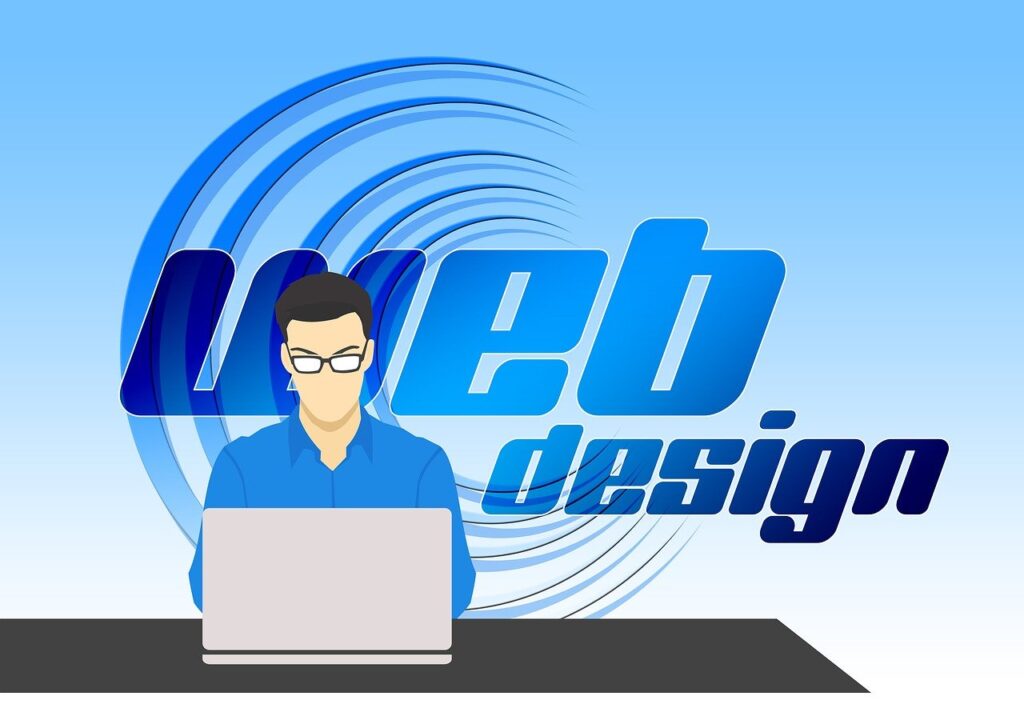
Modern businesses face an increasingly competitive digital landscape, where first impressions are often made online. A clean, intuitive, and responsive website can significantly enhance user experience and engagement. Incorporating strategies such as minimalistic layouts, clear navigation, and mobile optimization ensures that visitors can easily access information and interact with the brand. Additionally, thoughtful use of color schemes, typography, and visual hierarchy helps communicate a company’s values while keeping users engaged. Integrating interactive elements such as dynamic content and micro-animations can further enrich the browsing experience without overwhelming users.
Collaborating with a web design company can provide businesses with the expertise needed to implement these strategies effectively. Such professionals understand how to balance aesthetics with functionality, ensuring websites are not only visually appealing but also optimized for performance and accessibility. By embracing innovative design approaches, businesses can create online spaces that reflect their identity, foster trust, and encourage meaningful interactions with their audience.
Leveraging AI and Automation in Web Design
Artificial intelligence (AI) is transforming web design by streamlining repetitive tasks, refining content curation, and enhancing user personalization. Innovative platforms like Adobe Sensei and Wix ADI allow designers to automate processes ranging from layout composition to real-time content adjustments. The adoption of AI-driven tools is projected to surpass 60 percent among creative agencies by 2026, enabling teams to focus more on ideation and strategic brand storytelling rather than technical minutiae.
Companies such as Avenue 25 demonstrate how integrating AI-powered solutions can elevate user experiences. Features like intelligent chatbots and personalized recommendation systems not only improve engagement but also drive higher conversion rates. By combining automation with creative strategy, modern web design can achieve a balance between efficiency and innovation, ensuring websites are both visually appealing and functionally robust.
Incorporating Immersive 3D and Augmented Reality Elements
As web technologies progress, immersive 3D graphics and augmented reality (AR) are redefining user experience. Businesses in e-commerce, architecture, and creative sectors are using interactive 3D models and AR overlays to create realistic digital environments. This functionality not only enhances product visualization but also strengthens brand storytelling through memorable, interactive experiences. Studies show a significant increase in dwell time and user retention on websites that utilize 3D and AR content. It is important, however, to balance visual innovation with performance, optimizing assets to keep sites accessible and fast for all users. This integration can greatly enhance customer satisfaction by enabling hands-on interaction with products or services.
Implementing Voice User Interfaces
Voice user interfaces (VUIs) are becoming indispensable as more consumers use smart devices for web browsing. Integrating VUIs enables users to navigate websites, search for content, or book services via voice commands. This not only supports users who prefer hands-free access but also broadens accessibility for people with disabilities. By simplifying navigation and making tasks easier to complete, VUIs boost overall user satisfaction and encourage repeat visits. For businesses offering services, such as healthcare or hospitality, implementing advanced voice features leads to faster customer response and higher engagement rates.
Utilizing Dynamic Typography and Asymmetrical Layouts
Typography and layout play a crucial role in shaping perception and attracting interest. Modern web design often utilizes bold, dynamic fonts that respond to user interactions, enhancing brand storytelling. Asymmetrical layouts can disrupt traditional grids, creating unique visual experiences that direct users through a site. These approaches not only boost creativity but also enhance usability, helping brands leave a lasting impact. Designers who embrace dynamic typography and unconventional layouts typically experience increased user engagement, encouraging visitors to explore more.
Focusing on Sustainable and Eco-Friendly Web Design
Sustainability is shaping digital projects as brands aim to reduce their environmental impact. Eco-friendly web design focuses on efficient coding, compressed images, and lightweight frameworks for faster load times and lower energy use. Choosing hosting providers that use renewable energy further decreases a website’s footprint. These practices not only benefit the environment but also enhance search engine rankings and attract eco-conscious audiences. Sharing sustainability through design and storytelling fosters stronger connections with customers who value responsible practices.
Conclusion
In today’s digital landscape, innovative web design is key to standing out and engaging users effectively. By embracing AI, immersive technologies, dynamic layouts, voice interfaces, and sustainable practices, businesses can create websites that are visually striking, highly functional, and environmentally conscious. These strategies not only enhance user experience but also strengthen brand identity, foster trust, and drive meaningful interactions.