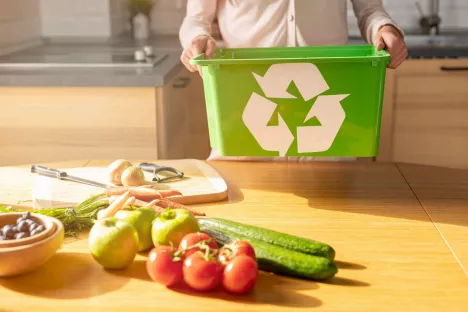
Managing wet waste has become a major challenge for apartments, hotels, restaurants, institutions, and commercial facilities. With increasing waste generation and stricter regulations, relying only on traditional waste collection and dumping is no longer a sustainable option.
This is where an organic waste converter comes in as a practical and efficient solution. It helps handle food waste and other biodegradable waste on-site and turns it into useful compost with minimal effort.
In this blog, we’ll explore the top benefits of using an organic waste converter for waste management, and how it compares with a composting machine approach in modern facilities.
What is an Organic Waste Converter?
An organic waste converter is a system designed to process organic waste such as:
- Food leftovers
- Vegetable and fruit peels
- Tea and coffee waste
- Garden waste (leaves, small branches)
- Biodegradable waste from kitchens and cafeterias
It speeds up decomposition and reduces the volume of waste significantly. In most installations, the output is compost-like material that can be used for gardening and landscaping. Many people also refer to it as a composting machine, especially when it includes mechanical mixing, heating, or automated operation.
Why Organic Waste Management Matters Today
Wet waste (organic waste) makes up a large portion of daily waste in most buildings and businesses. When this waste is not treated properly:
- It starts smelling quickly
- It attracts flies, pests, and rodents
- It increases landfill burden
- It creates unhygienic surroundings
- It contributes to methane emissions in landfills
Using an organic waste converter supports cleaner waste handling and helps create a sustainable waste management system.
Top Benefits of Using an Organic Waste Converter for Waste Management
1) Reduces Wet Waste Volume Dramatically
One of the biggest benefits of an organic waste converter is that it reduces the volume of wet waste at the source itself.
Instead of sending daily wet waste to landfills or dumping grounds, the system converts it into compost output. This reduces waste storage requirements and makes the entire waste management process cleaner and smoother.
Result: Less garbage buildup, fewer pickups, better hygiene.
2) Minimizes Bad Odour and Improves Cleanliness
Wet waste begins decomposing quickly, leading to strong odour in garbage areas, societies, restaurants, and kitchens.
A properly managed composting machine or organic waste converter helps control decomposition in a controlled environment, reducing:
- Foul smells
- Leachate (dirty waste liquid)
- Pest infestation
- Unhygienic waste zones
Result: Cleaner premises and better living/working conditions.
3) Supports On-Site Waste Processing
Transporting wet waste to disposal points is not only inconvenient but also costly in the long run. An organic waste converter enables on-site waste treatment, which is ideal for:
- Residential societies
- Hotels and restaurants
- Corporate cafeterias
- Schools and colleges
- Hospitals
- Industrial canteens
Result: Less dependency on municipal waste collection and fewer operational issues. 4) Converts Waste into Useful Compost
The output compost can be used for:
- Gardens and lawns
- Landscape areas
- Planters and green belts
- Organic farming support (in some cases)
Instead of organic waste becoming a problem, it becomes a resource. Result: Circular waste management that benefits the property.
5) Helps Meet Waste Management Compliance
Many cities and local bodies are now encouraging or mandating segregation and on-site organic waste processing for bulk waste generators.
Installing an organic waste converter helps societies and organizations stay compliant with waste management rules by ensuring wet waste is processed responsibly.
Result: Reduced risk of penalties and improved compliance readiness. 6) Saves Long-Term Waste Handling Costs
While an organic waste converter may require initial investment, it can save costs over time by reducing:
- Waste collection charges
- Labour required for waste handling
- Frequent garbage pickups
- Odour-control expenses
- Pest-control costs
For many societies and commercial units, the ROI becomes visible within months depending on waste volume and operations.
Result: More cost-efficient waste management.
7) Improves Sustainability and Brand Image
Sustainability is no longer optional—it’s expected.
Using a composting machine or organic waste converter demonstrates responsibility and environmental commitment. This strengthens credibility for:
- Builders and developers
- Residential societies
- Hospitality brands
- Corporates & institutions
Result: Better community perception and a stronger green footprint.
8) Reduces Landfill Load and Environmental Impact
When organic waste goes to landfills, it releases methane, a powerful greenhouse gas. It also contributes to overflowing dumping grounds. On-site conversion with an organic waste converter reduces landfill dependency and supports environmental conservation.
Result: Lower carbon impact and cleaner cities.
9) Easy to Operate and Manage (With Proper Training)
Modern organic waste converters are designed to be user-friendly and manageable with basic training. Most systems include:
- Simple input process
- Controlled mixing and decomposition
- Safe compost output collection
With proper segregation and operation, daily waste can be managed efficiently without complex steps.
Result: Reliable and consistent results.
10) Ideal for Bulk Waste Generators
If your site generates large amounts of organic waste daily, an organic waste converter is one of the most scalable solutions.
Suitable for:
- 50–100 kg/day setups (small societies, small cafeterias)
- 100–500 kg/day setups (large societies, restaurants, mid-sized institutions) ● 500 kg/day and above (hotels, large campuses, industrial setups)
Result: A long-term solution for high-volume waste.
Best Practices to Get Maximum Results
To ensure your organic waste converter performs efficiently:
- Always segregate wet and dry waste properly
- Avoid adding plastic, metal, and glass into wet waste
- Maintain recommended moisture levels
- Follow regular cleaning and basic maintenance
- Use microbial culture or additives if required by the machine type A well-maintained composting machine delivers faster, cleaner, and better compost output.
Final Thoughts
An organic waste converter is one of the most effective solutions for modern waste management—especially where wet waste generation is high. It reduces waste volume, controls odour, supports compliance, and converts waste into useful compost, making it a smart investment for both residential and commercial spaces. If you want a cleaner, more sustainable, and long-term solution, installing a composting machine or organic waste converter can completely transform how you handle organic waste.