In today’s fast-paced digital economy, businesses and consumers alike expect fast, secure, and flexible ways to exchange money. Traditional payment methods such as cash, checks, or manual bank transfers are steadily being replaced by smarter digital solutions. These modern tools are designed to reduce friction, improve cash flow, and create a smoother experience for everyone involved.
As online shopping, remote work, and mobile services continue to grow, digital payments have become a necessity rather than a luxury. Businesses that adopt streamlined payment methods often see improved customer satisfaction, fewer delays, and better financial visibility.
Why Speed and Convenience Matter More Than Ever
Customers today value convenience above almost everything else. If a payment process feels complicated or slow, it can easily lead to abandoned transactions or delayed invoices. Digital payment solutions remove unnecessary steps by allowing customers to pay instantly from their preferred device.
This speed benefits businesses as well. Faster payments mean improved cash flow, reduced follow-ups, and fewer accounting headaches. Instead of waiting days or weeks for funds to arrive, businesses can receive payments almost immediately, making it easier to manage expenses and plan growth.
Improving Customer Experience Through Simplicity
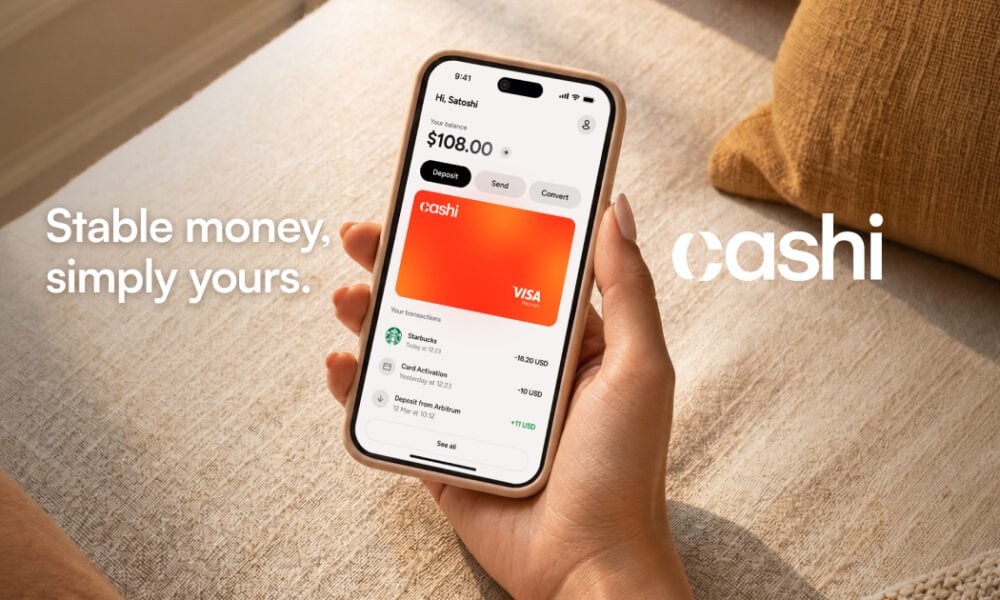
A simple checkout or payment experience builds trust. When customers feel confident that a transaction is secure and easy, they are more likely to complete it and return in the future. Modern payment tools are designed with user experience in mind, offering clear instructions, mobile compatibility, and multiple payment options.
Using a Payment Link allows businesses to send a secure request for funds directly to a customer through email, messaging apps, or invoices. This eliminates the need for complex checkout pages or manual bank details, making the process smooth and intuitive for both sides.
Security and Compliance in Digital Transactions
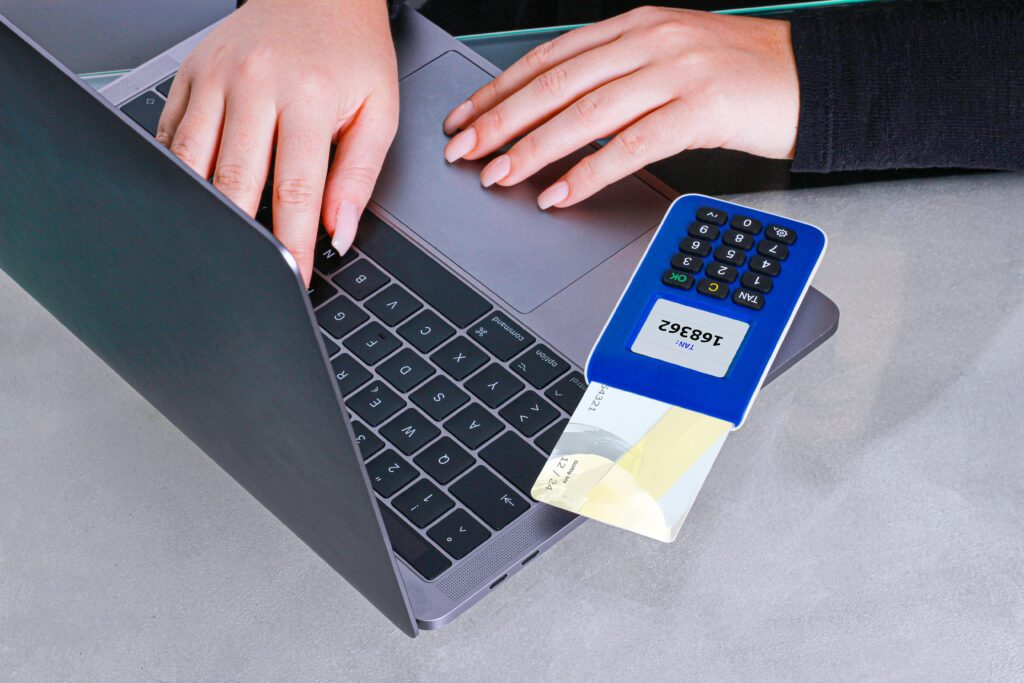
Security remains a top concern for any financial transaction. Reputable digital payment systems use encryption, authentication, and fraud-prevention measures to protect sensitive data. These safeguards help reduce the risk of unauthorized access, chargebacks, and data breaches.
For businesses, secure payment methods also support compliance with financial regulations and industry standards. This not only protects the company but also reassures customers that their information is handled responsibly.
Flexibility for Different Business Models
Whether you run an online store, offer professional services, or manage recurring billing, digital payment solutions adapt to various business needs. Freelancers can request payments instantly, service providers can invoice clients remotely, and e-commerce businesses can scale without adding complexity.
Another advantage of using a Payment Link is flexibility. Businesses can accept payments without building a full checkout system, making it ideal for small businesses, startups, and service-based professionals who want efficiency without technical overhead.
Supporting Business Growth and Scalability
As businesses grow, handling payments manually becomes inefficient and error-prone. Automated digital payments help reduce administrative work, minimize errors, and provide real-time transaction tracking. This allows teams to focus more on customer service, product development, and strategic planning.
Digital payment data also provides valuable insights. Businesses can analyze payment trends, identify late payments, and optimize pricing strategies based on customer behavior.
Final Thoughts
Digital payment solutions are transforming how businesses and customers interact financially. By prioritizing speed, security, and convenience, companies can improve customer trust, accelerate cash flow, and stay competitive in an increasingly digital marketplace. Adopting modern payment tools is no longer just an option—it’s a strategic move toward long-term success.