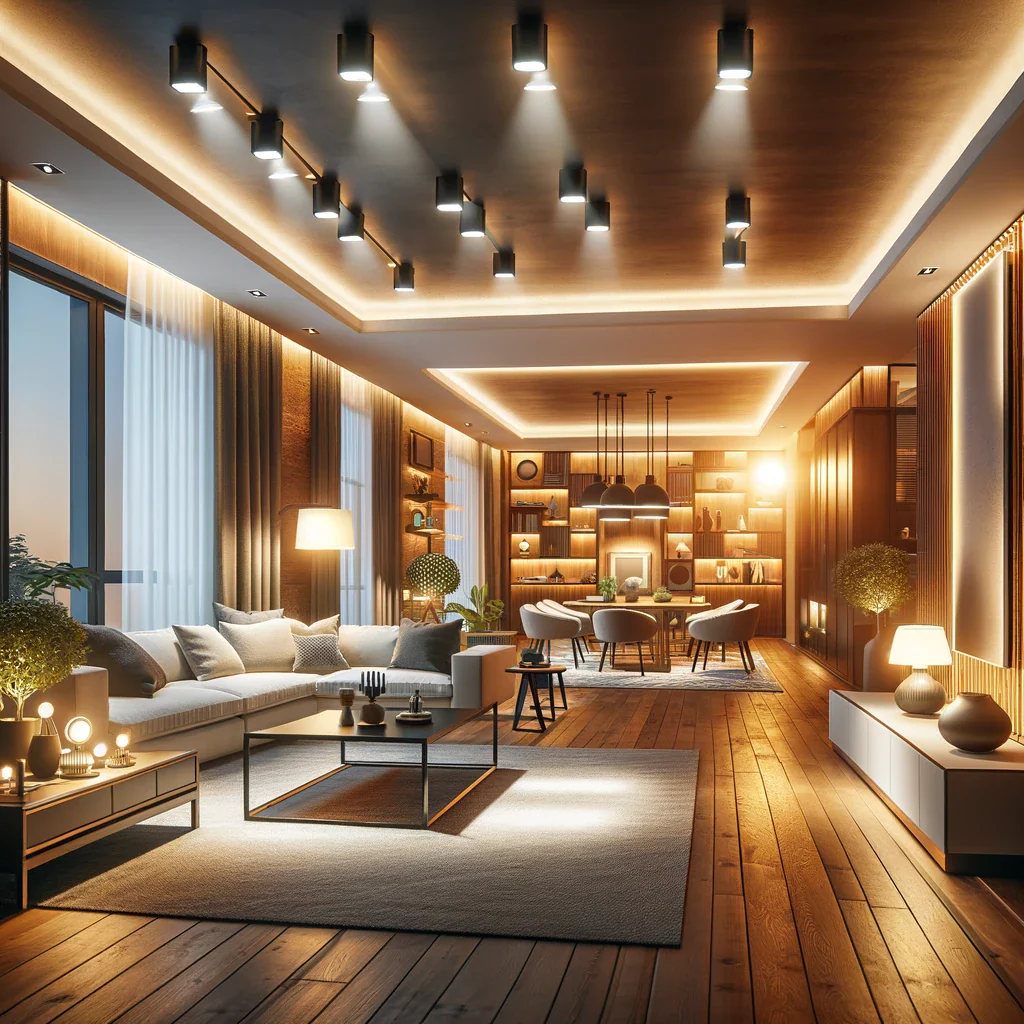
Look around any well-loved neighborhood lately and one trend stands out, homes glowing with soft, intentional lighting that doesn’t flicker out after December. That shift toward elegance and ease is no accident. More homeowners are investing in year-round lighting solutions that bring style, comfort, and celebration to the everyday. HomeOne LED Lights has become a standout in this space, offering LED lighting systems that don’t just decorate, they elevate. These lights are smart, sleek, and surprisingly subtle, yet always ready to surprise guests with a little extra brilliance for birthdays, holidays, or simply a Friday night at home.
What’s Behind the Rise in LED lighting?
Maybe it’s the way celebrations have become more personal. Maybe it’s the love for low-maintenance design upgrades that actually work year-round. Or maybe it’s just the quiet satisfaction of never needing to wrestle with a box of tangled cords again. Whatever the reason, permanent LED lighting has gone from niche to mainstream, and fast.
Homeowners are realizing that lighting doesn’t have to be temporary or purely functional. With modern systems like HomeOne LED Lights, the lighting becomes part of the architecture, a design feature that’s as flexible as it is refined. Think of it as a glow that follows the rhythm of the seasons, yet never feels out of place.
A New Standard in Curb Appeal
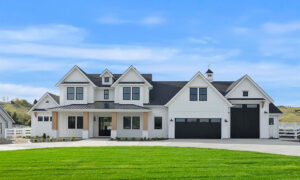
First impressions matter. A home that’s softly lit at dusk or alive with coordinated colors on a holiday evening immediately feels cared for. Permanent LED lighting offers that kind of visual polish, without seasonal effort. It frames windows, outlines rooftops, and highlights entryways in a way that quietly says, “someone really thought this through.”
With HomeOne, the LED lighting isn’t just thrown up for effect. It’s designed into the structure, fitted with precision to blend with trim, soffits, and siding. During the day, the lights practically disappear into the architecture. But once the sun drops, they transform the property into something quietly stunning.
The Beauty of Customization
There’s a difference between lighting that simply works and lighting that works for you. That’s the beauty of customizable LED systems. It’s not just about being able to switch from red to green in December or soft amber for Thanksgiving, though that’s definitely part of the fun. It’s about having control over the look, feel, and timing of how a home lights up.
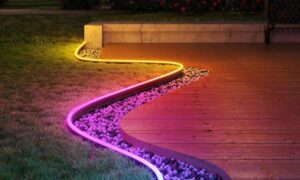
Using a smart interface, homeowners can set schedules, adjust brightness, or create custom color scenes for any event or mood. With HomeOne LED Lights, the flexibility runs deep. One evening, the glow might mimic candlelight for a dinner party. Next, it might dance in color for a family celebration. No ladders. No swapping out bulbs. Just light that fits the moment.
Guest-Ready Without the Last-Minute Scramble
There’s always that one person who shows up early. With LED lighting in place, the home already feels ready to host. The front porch is welcoming. The driveway is gently lit. There’s no fumbling with switches or hanging strands last-minute. Everything is already working quietly in the background, giving a warm, polished vibe before anyone even steps through the door.
Whether it’s a planned gathering or a spontaneous catch-up with friends, the ambiance is already set. It’s the kind of effortless prep that makes entertaining feel less like work and more like, well, enjoyment.
Light for Every Season, Not Just the Holidays
It’s easy to associate outdoor lights with the holidays, but permanent LED lighting shifts that mindset. Imagine soft greens and blues in spring. Bold reds or fireworks-inspired colors for summer barbecues. A cozy gold or burnt orange for crisp autumn evenings. The versatility is part of the charm.
Even without an occasion, a simple, steady white glow adds elegance. It highlights landscaping, provides gentle security lighting, and offers subtle sophistication without being flashy. LED lighting isn’t about shouting, it’s about showcasing.
Built to Withstand the Elements
Rain, heat, wind, cold, outdoor lights take a beating. That’s why durability matters just as much as design. HomeOne LED Lights are built with tough, weather-resistant materials that don’t quit when the climate turns. From salty coastal air to sudden downpours, these systems hold their own, night after night.
And the lights themselves? Energy-efficient, long-lasting LEDs that require virtually no maintenance. Once installed, they’re good to go for years, providing consistent light without flickering, fading, or failing.
A Sustainable Way to Shine
There’s something satisfying about choosing something beautiful and energy-conscious. LED lighting is well known for its low power consumption, making it an eco-friendly choice for those looking to reduce energy bills and environmental impact.
LED lighting isn’t just a replacement for disposable decor, it’s a smart investment. Fewer replacements. Less waste. Lower energy usage. All while looking better than ever.
A Modern Touch for Every Home Style
Whether the architecture is contemporary, traditional, or somewhere in between, LED lighting can be designed to complement the look rather than overpower it. With expert placement and thoughtful design, HomeOne creates systems that respect the shape and spirit of each home.
Some homes benefit from strong lines of light that emphasize clean geometry. Others might use a more diffused glow that softens rustic textures. The key is balance, lighting that brings out the best features without overwhelming the rest.
The Installation Experience: Smooth and Tailored
No one enjoys chaos during a home upgrade. That’s why the HomeOne process is designed to be stress-free. It starts with a personalized consultation where the team walks through design preferences, lighting goals, and architectural features. From there, a tailored plan is created, and installation is handled by professionals who know how to work carefully and efficiently.
It’s fast, clean, and surprisingly simple. And the result is LED lighting that feels like it was always meant to be there.
More Than Lights: A Statement of Living Well
Lighting is more than function. It’s a feeling. A signal that a home is a place where details matter. Where comfort is considered. Where celebrations can happen anytime, without extra prep or pressure.
Permanent LED lighting is part of that feeling. It’s subtle, joyful, refined, and once it’s part of the home, it’s hard to imagine life without it. Guests notice. Neighbors ask questions. And the homeowners? They get to sit back and enjoy a beautiful, welcoming glow that shows up every night without being asked.
A Final Thought: Let the Lights Speak for Themselves
There’s a reason LED lighting is on the rise in modern home design. It’s the kind of upgrade that doesn’t just improve a home’s look, it transforms how that home is lived in. It brings more joy, more ease, and more reasons to celebrate the little things.
With HomeOne LED Lights, that transformation starts with a single decision. A commitment to beauty that lasts. A way to light every day, every gathering, every quiet evening with the same quiet brilliance.
And for those who still think lights are only for December, just wait until they see what a home can look like on a random Tuesday night in July.